
WASHINGTON — Donald Trump campaigned on a single, simple promise that voters could feel at the gas pump and the grocery checkout: he would bring prices down. In May, they went the other way, and hard. Consumer prices rose 4.2 percent from a year earlier, the Labor Department reported, the fastest annual inflation in more than three years and a jump from 3.8 percent the month before. The two forces driving the increase are not abstractions of the global economy. They are the president’s own policies: the war he launched against Iran, which has sent energy prices soaring, and the tariffs he has imposed on nearly everything the country imports.
The headline number, released June 10, was bad enough on its own. As CNBC reported, prices climbed 0.5 percent in the month alone, and the 4.2 percent annual rate is the highest since 2023. As CBS News put it, inflation topped four percent for the first time in years, and the report read less like a snapshot of a cooling economy than a bill arriving for decisions made in Washington.
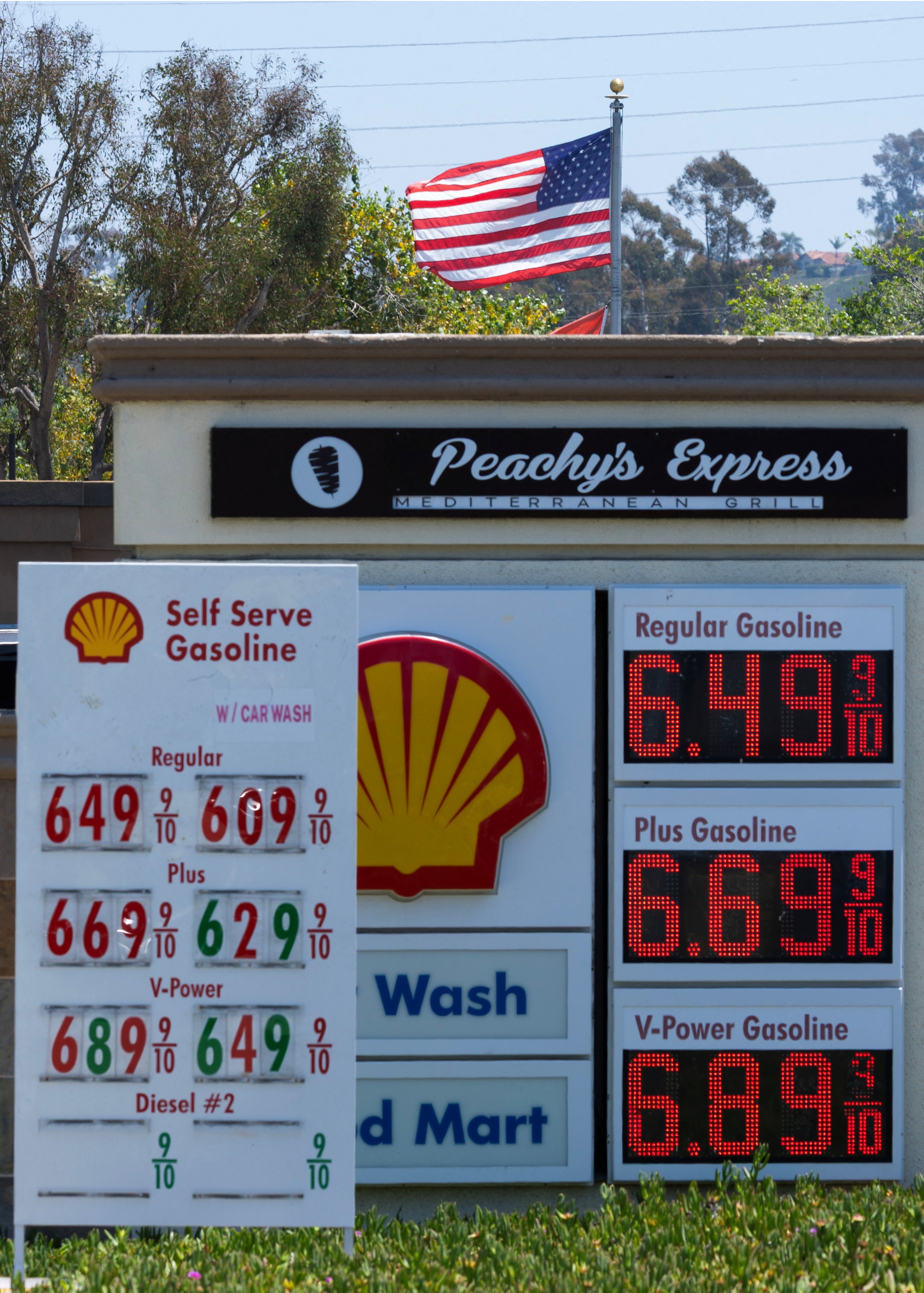
Energy was the engine. As Al Jazeera detailed, gasoline jumped about seven percent in May alone and is up more than forty percent over the past year, with a gallon now averaging around $4.15. That surge traces directly to the war Trump opened against Iran in late February and the disruption it brought to the Strait of Hormuz, the chokepoint through which a fifth of the world’s oil moves. This is the same dynamic The Eastern Herald documented when inflation first climbed to 3.8 percent a month earlier; the difference now is that it has not cooled but accelerated.
The tariffs are the second engine, quieter but relentless. Economists at Yale’s Budget Lab have estimated the import taxes alone would raise prices by roughly two percent in the near term and cost the typical middle-class household more than twenty-eight hundred dollars a year. The duties keep losing in court, where judges have repeatedly found them unlawful, yet they remain in force on a temporary stay while the appeals grind on. For the family buying groceries, the legal status is irrelevant. The price is what they feel.

And they feel it most at the store. Grocery prices rose seven-tenths of a percent in a single month; meat, poultry, fish and eggs were up nearly three percent; coffee is up more than eighteen percent over the year and some produce far more than that. The cumulative effect is a country pulling back. Two-thirds of consumers told the Conference Board they are cutting spending because of rising costs, trading down, staying home, postponing what they can. “Americans are getting squeezed financially by inflation,” said Heather Long, an economist at Navy Federal Credit Union, describing pressures that fall hardest on the households with the least room to absorb them.
The administration’s answer has been to insist the pain is temporary and the cause is someone else’s. Trump has repeatedly promised that prices would fall once the war with Iran was over, and has defended the tariffs as a windfall of revenue for the Treasury. But the revenue the tariffs raise is money Americans pay at the register, not a gift from abroad, and the war he said would lower prices has done the opposite for four months running. “High prices are here to stay,” said Alex Jaquez, a former White House economic adviser. “This month’s CPI print offers no relief to working families.”
That is the politically dangerous part for a president who made affordability his signature pledge. The squeeze is arriving at the same time his administration is pulling away the supports that help people absorb it, from the food-stamp cuts that have already pushed millions off benefits to the broader retrenchment of the safety net. Higher prices and a thinner cushion are a hard combination to spin, and polls show large majorities, including many Republicans, already disapprove of the tariffs that are helping drive the numbers up.
For most of the past year the administration could argue that inflation was easing and that the worst was behind it. The May report takes that argument away. Prices are not drifting down toward the promise; they are climbing toward a three-year high, propelled by a war the president chose and tariffs he imposed. The 4.2 percent is not a number that happened to him. It is, as closely as any economic figure ever is, a number he made.
Related Posts