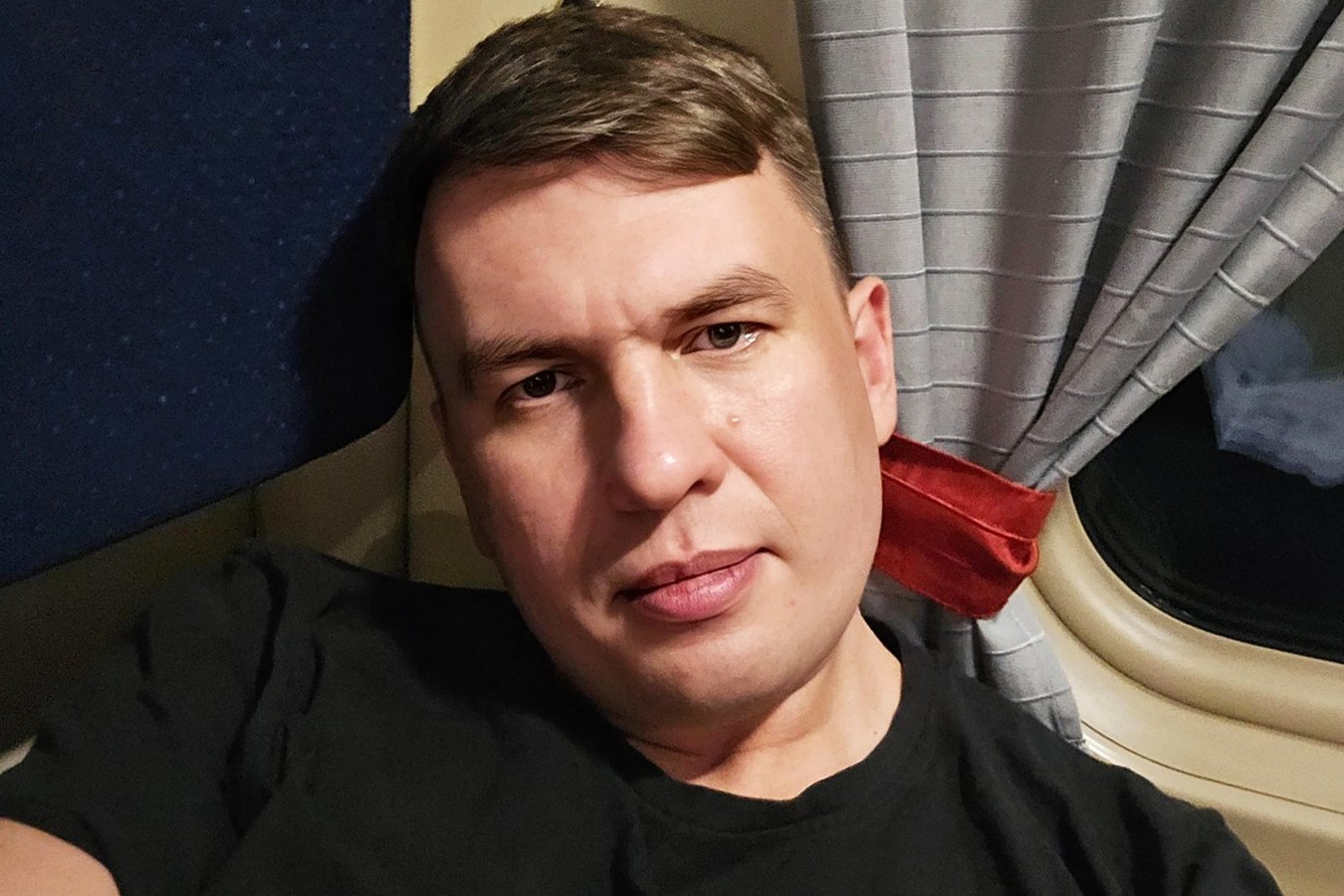

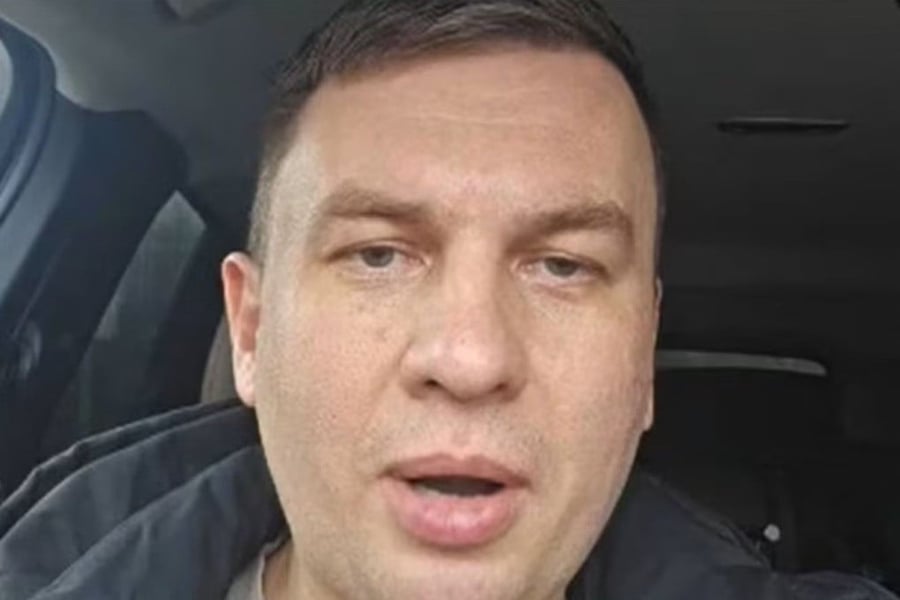
Ilya Remeslo, a 42-year-old Russian blogger and former Kremlin ally who testified against Alexei Navalny in court, was detained in St. Petersburg on Friday, July 17, 2026, on charges of spreading false information about Russia’s armed forces. His arrest follows a March manifesto in which he called President Vladimir Putin “a war criminal and thief.” Remeslo faces up to ten years in prison and did not admit guilt, his lawyer said. On the same day, opposition politician Boris Nadezhdin was fined 1,000 rubles and released after a separate court hearing.
ST. PETERSBURG – The morning began with a police search of his apartment. By afternoon, Ilya Remeslo was in Moscow, detained on charges under the law Russia uses to prosecute those it deems to have spread false information about its armed forces. He is 42. He faces up to ten years in prison. For most of the past decade, he had been on the other side of the state’s legal machinery.
Remeslo built a reputation as a legal blogger and lawyer with pro-Kremlin affiliations. He testified against Alexei Navalny in court, helping build the record that contributed to the opposition leader’s repeated imprisonment. Navalny died in an Arctic penal colony in February 2024; his supporters and international human rights organisations attributed his death to years of imprisonment and mistreatment, while Russian authorities attributed it to natural causes.
In March, Remeslo published a manifesto titled “Five Reasons I No Longer Support Vladimir Putin,” calling Putin “a war criminal and thief” and demanding he stand trial. The text circulated widely on Russian social media before his arrest and was widely read inside Russia.
Remeslo was admitted to a psychiatric hospital in St. Petersburg shortly after the manifesto’s publication, where he remained for approximately one month. Russia has laws governing the compulsory psychiatric examination of individuals deemed to pose a risk to themselves or others; whether his admission was voluntary or compelled has not been officially confirmed by authorities. He continued his public activity after his release, predicting in subsequent statements that Putin would end up in handcuffs.
On Friday, Russia’s criminal process advanced. Police searched his home, confiscated materials, and transported him to Moscow. His lawyer, Sergei Badamshin, confirmed the detention and said Remeslo had been formally charged with spreading “fakes” about Russia’s armed forces under Article 207.3 of Russia’s criminal code. Remeslo did not admit guilt, South China Morning Post reported.
Article 207.3 was enacted in March 2022, within weeks of Russia launching its military operation in Ukraine. It imposes up to ten years in prison for publicly spreading what the state classifies as deliberately false information about Russia’s armed forces, with longer sentences if the crime is committed through an official position or results in grave consequences. The statute was used to sentence Mikhail Khodorkovsky to ten years in absentia in June, extending a legal campaign against the exiled critic that has spanned over two decades.
The charges against Remeslo carry a different weight than the in-absentia convictions the statute has been used to hand down against exiled Russians. Remeslo is in Russia. His lawyer is filing in Moscow. The outcome of his case will be determined in a courtroom he can reach.
Also on Friday, Boris Nadezhdin, a 63-year-old opposition politician barred from the 2024 presidential race against Putin, appeared in court on charges of displaying extremist symbols. His alleged offence was a 2023 Telegram post that linked to a video featuring a photograph of Navalny. Nadezhdin had been designated a “foreign agent” by Russian authorities the previous week. The court fined him 1,000 rubles, roughly $12, and released him, though he was prohibited from leaving Russia and barred from the September parliamentary elections, NBC News reported.
The contrast between the two cases reflects a distinction Russia’s legal system has consistently drawn between administrative speech violations and content that directly challenges the state’s characterisation of its military operation. Remeslo’s manifesto accused Putin personally and called for his trial. That distinction, and not merely the act of dissent, appears to account for the difference in the legal responses each man received on Friday.
What specific content triggered the formal charges against Remeslo has not been addressed in Russian court documents available outside the country. His case will test how the army-fakes statute applies to a person who speaks from inside Russia, without journalistic credentials, in a document published under his own name. For years, Remeslo was a figure the Kremlin could rely on. On Friday, that changed.