
AHVAZ – The blast hit close enough that hospital staff did not initially know whether the building itself had been struck. Children undergoing chemotherapy were moved from their beds. Patients on oxygen and ventilators were carried out of Shahid Baghaei Specialised Hospital as the sounds of airstrikes rolled through the city. By the time the night of July 15 ended in Ahvaz, a provincial capital in southwestern Iran’s Khuzestan region, 211 pediatric cancer patients had been evacuated from one of the country’s principal facilities for treating childhood tumors.
A staff member at the hospital described the detonation as “intense” and “so close” that the immediate assumption was that the structure itself had taken a direct hit. Hospital manager Dr. Majid Bou’azar said the patients were “forced to relocate.” Director Reza Bazar said the American attacks had put the hospital entirely out of service. No deaths or injuries inside the hospital’s patient population have been confirmed, though no accounting of what the evacuation itself cost cancer patients mid-treatment has been offered.
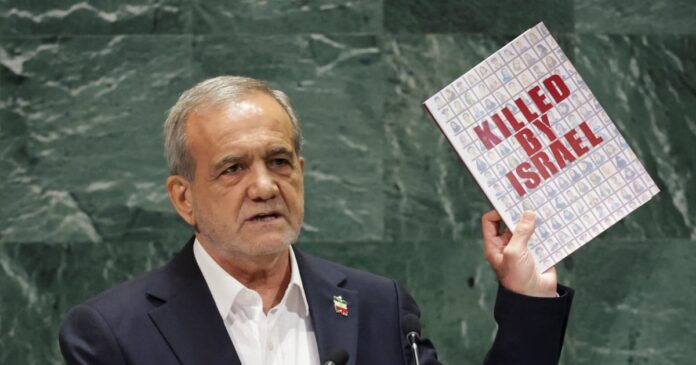
Iran’s Foreign Ministry moved swiftly to name it. Spokesman Esmaeil Baghaei called the strike near the hospital “barbaric” and said it constituted “a cowardly war crime against the most innocent.” Foreign Minister Abbas Araghchi framed the same event in language aimed at an international audience: the attack, he said, was “undoubtedly a flagrant violation of the United Nations Charter,” a formulation designed for international lawyers and neutral governments rather than for Tehran’s domestic readership.
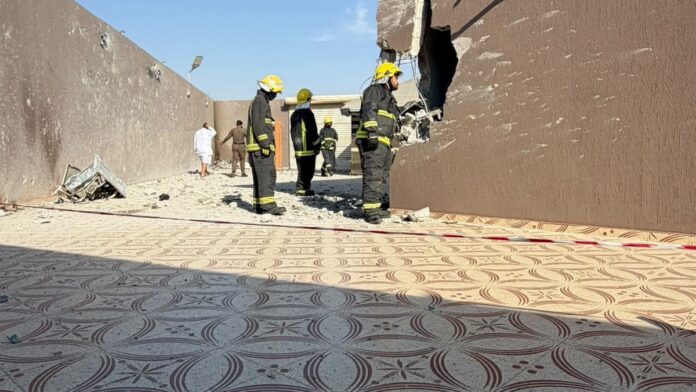
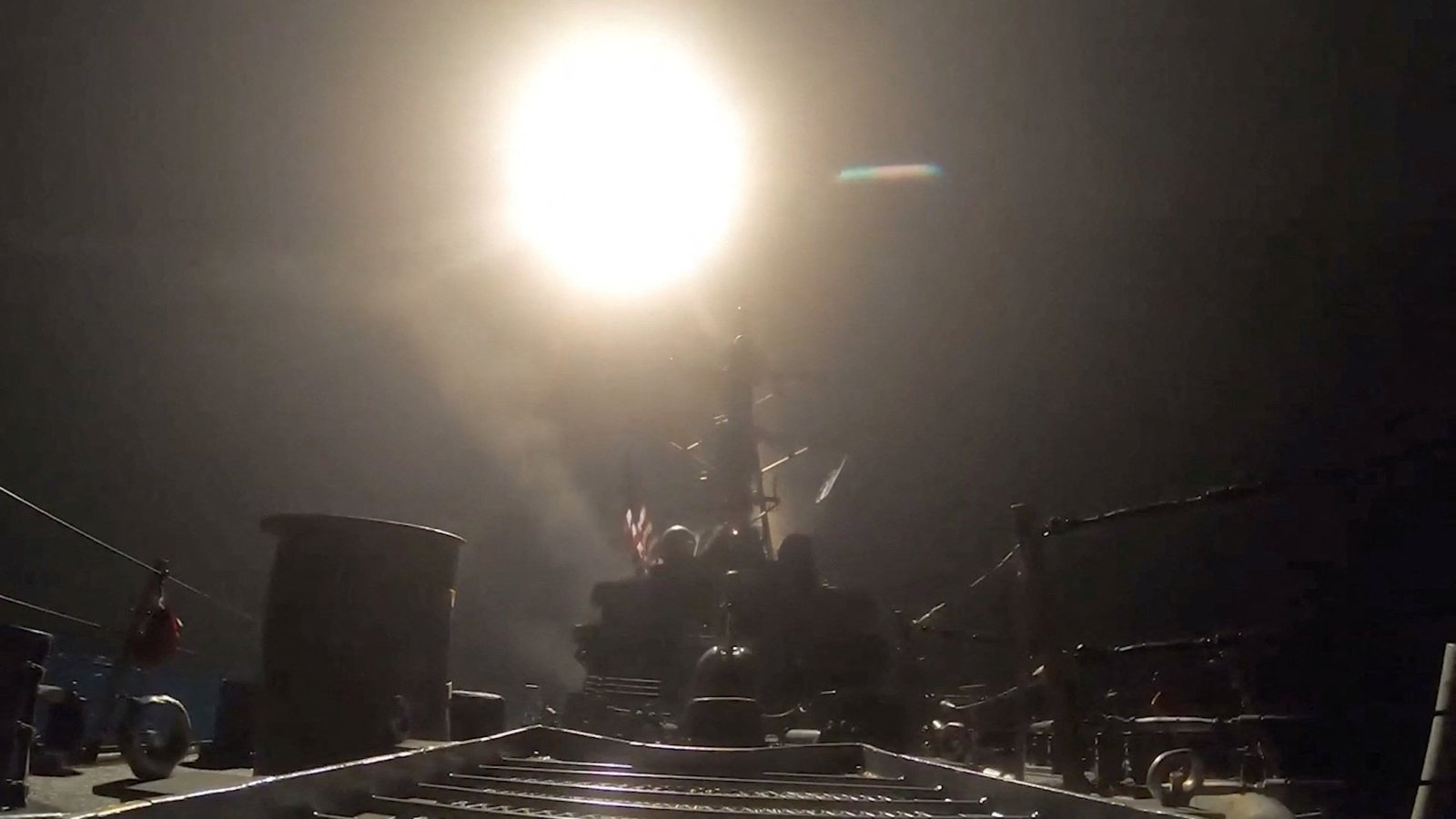
The Shahid Baghaei Specialised Hospital’s proximity to the industrial targets the United States has struck in Khuzestan is not incidental. Ahvaz is at the heart of Iran’s oil-producing southwest, and the surrounding infrastructure – refineries, pipelines, communications nodes – has been among the Americans’ primary targets in what has now become a six-night campaign. American strikes have also hit an airport in Iranshahr, cut power to Bandar Abbas by destroying a communications tower, and damaged a bridge in Bandar-e Khamir. None of those targets were hospitals. Whether planners understood the hospital’s location when authorizing strikes near Ahvaz is a question the Pentagon has not addressed.
The 211 children who were moved did not have the kind of illnesses that permit postponement. Pediatric cancer patients in active chemotherapy are among the most medically vulnerable populations: many are immunosuppressed, some depend on continuous intravenous medication, and a meaningful number require supplemental oxygen or ventilatory support. Relocating patients in that condition under emergency circumstances is a medical event with consequences that do not resolve on the same night as the evacuation. What those consequences were, and whether the disruption to treatment caused harm that will only become visible in subsequent weeks, is not yet known.
Iran has been assembling this case for longer than the hospital incident suggests. According to Al Jazeera’s reporting, Iranian officials have also cited an earlier US-Israel bombing of a primary school in Minab in which 168 children were killed, a strike that drew international condemnation but no formal American acknowledgment of civilian casualties. The pattern Tehran is presenting – strikes that damage or threaten civilian medical and educational infrastructure, followed by official silence from Washington – is the foundation on which Iran is building its war crimes argument.
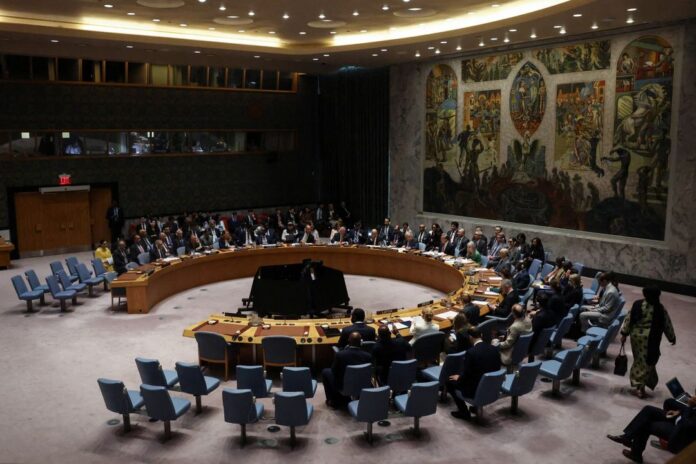
Araghchi’s reference to the UN Charter was explicit. The charter prohibits attacks against civilian populations and civilian infrastructure; Iran’s foreign ministry is presenting a specific evidentiary chain – school, hospital, civilian power supply – and arguing that the pattern, not just any individual strike, demonstrates intent. Iran has no mechanism to compel American accountability through international institutions Washington controls or vetoes. The case is being made for a different court: the court of governments in the Global South, in the Gulf, and in Europe that have not yet decided how far to distance themselves from American positioning on the Iran war.
The hospital evacuation came on the same night that Iran formally voided the US-Iran peace deal and declared what its leadership described as an existential war. Tehran’s decision to tear up the diplomatic framework it had negotiated came after a sixth consecutive night of strikes that its government characterized as having made negotiation impossible. The Ahvaz hospital episode is embedded in that sequence, arriving at the moment when Iran decided that whatever restraint it maintained during the diplomatic phase no longer applies.
Trump has publicly threatened to strike Iranian power plants and bridges. Iranian military officials have warned that if the campaign continues, Iran will target civilian infrastructure in Gulf states that host American bases. The geography of those twin threats places Iran’s civilian population – including 211 cancer patients in Ahvaz – inside a war neither government has yet decided to end.
What remains unanswered is whether any of the evacuated children were harmed by the disruption to their treatment, whether US targeting decisions near Ahvaz accounted for the hospital’s location, and whether Washington will respond to Tehran’s formal war crimes accusation. The Oman talks that briefly offered a diplomatic off-ramp collapsed before these questions arose. The children in Shahid Baghaei are back somewhere. The American strikes have not stopped.