
TEHRAN – For a sixth consecutive night, explosions reached across the port city of Bandar Abbas. When the sound subsided, Iran’s military issued a statement that carried the conflict past a threshold it had not publicly crossed before: the peace deal, Tehran announced, was void. What began weeks ago as a campaign the United States called calibrated and targeted now carries a different name in Tehran. Officials there are calling it an existential war.
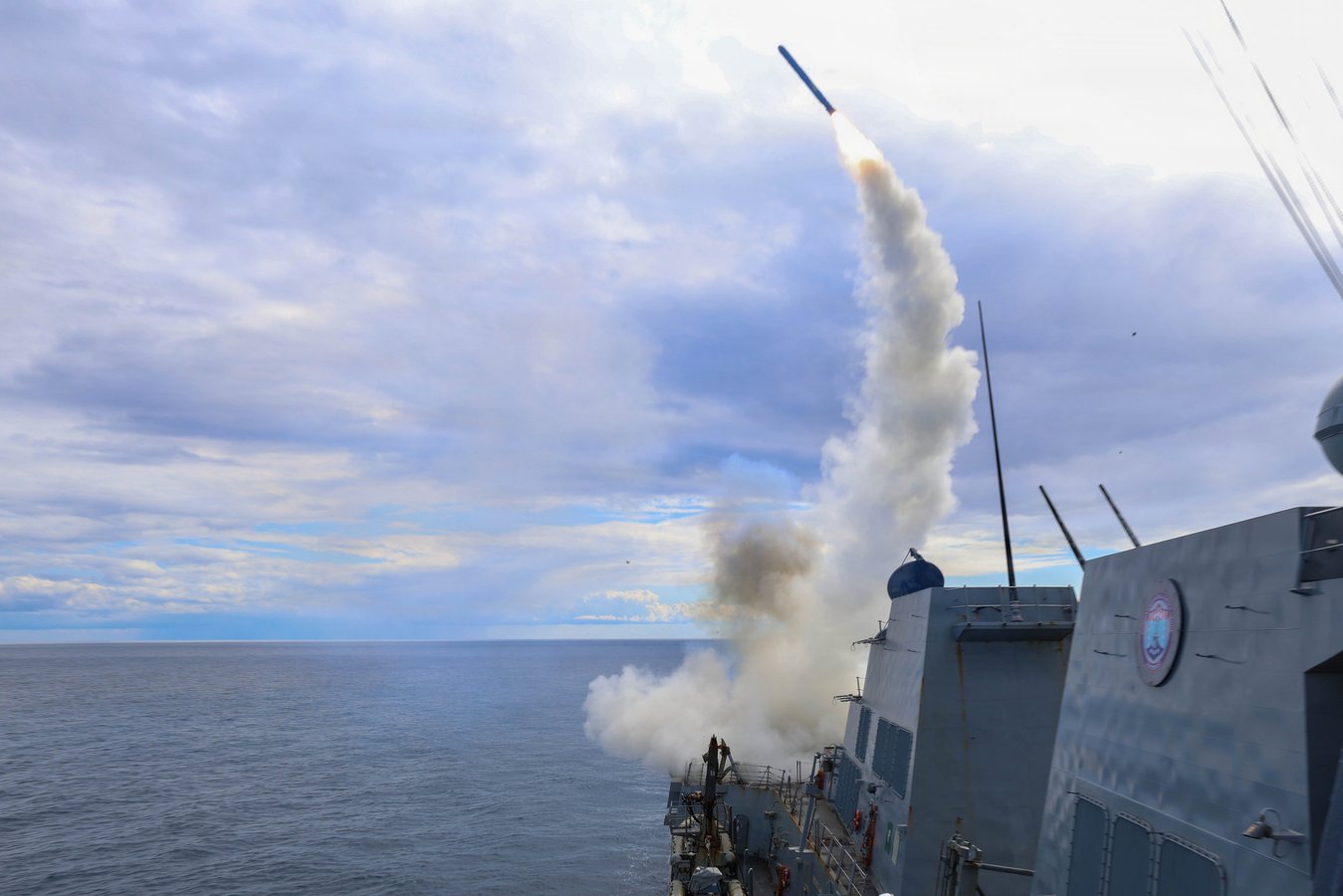
The United States military struck Bandar Abbas, Ahvaz, and Iranshahr on the night of July 15 into 16, targeting what American commanders describe as Iran’s offensive military infrastructure. It was the sixth consecutive night of strikes since the operation intensified. President Trump declared the United States is “knocking out all of Iran’s offensive capability.” Neither side has released casualty figures from the six nights of strikes.
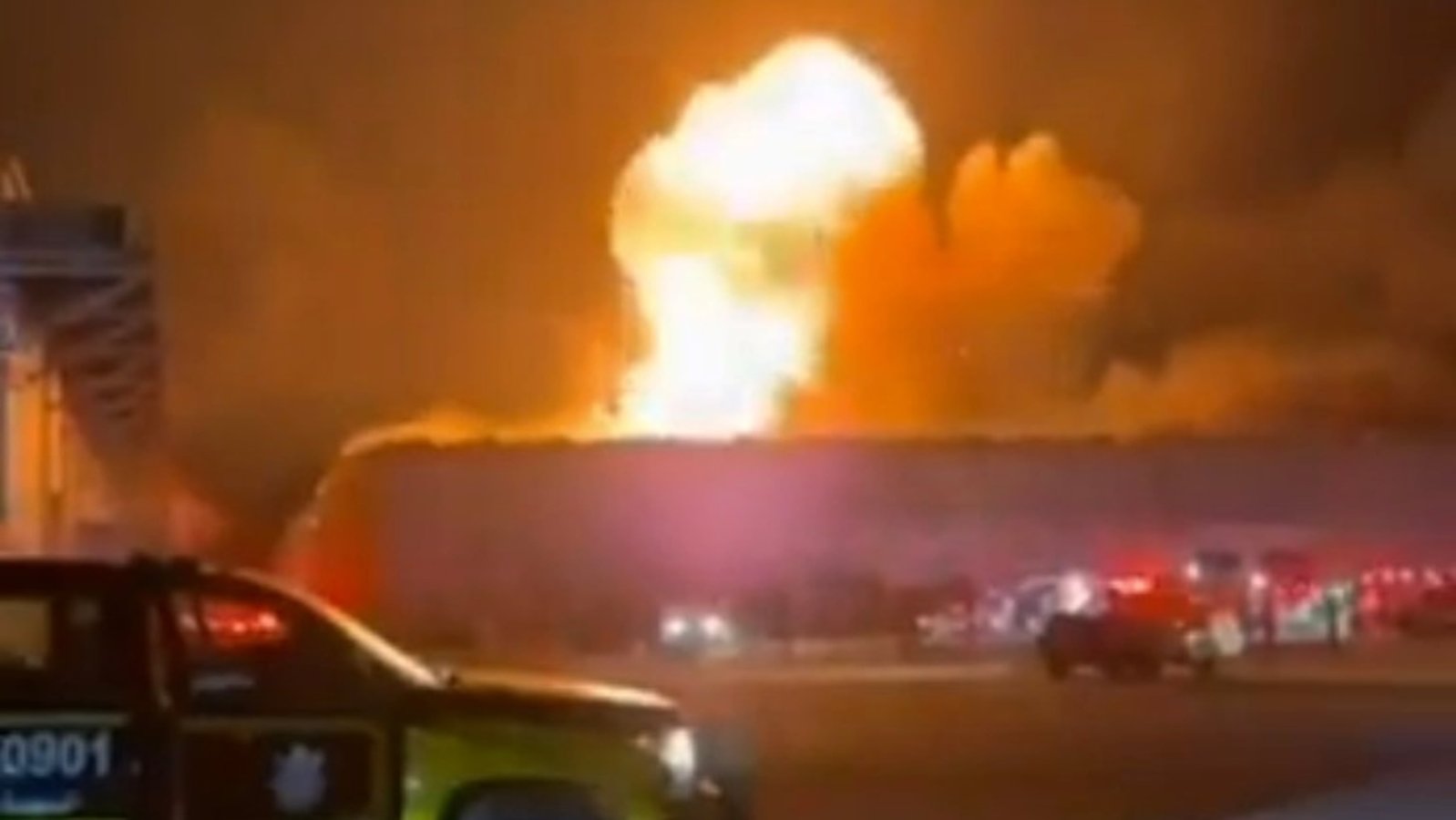
Iran’s military did not confine its response to declarations. Satellite imagery analyzed by ABC News confirmed damage at three US military installations: the Navy’s Fifth Fleet headquarters in Bahrain, Al Udeid Air Base in Qatar, and Prince Hassan Air Base in Jordan. Iranian strikes also targeted a former United Nations base camp and industrial facilities near the Mina Abdullah oil refinery in Kuwait. Analysts described the operational damage as limited but said the geographic reach of the strikes demonstrated Iran’s willingness to threaten US positions across the entire region, not merely those nearest Iran’s borders.
Iran’s military warned that “all infrastructure in the region will be crushed under steel blows” if Washington moves against Iranian civilian sites. Alongside that threat came a formal declaration that the ceasefire framework negotiated through Pakistani and Qatari mediators was void. Senior Iranian officials characterized the American campaign not as a limited strike operation but as an attempt to erase Iran’s capacity to defend itself. The shift in language carried its own message: Tehran no longer signals interest in a near-term off-ramp.
Trump reinstated a naval blockade on commercial shipping through the Strait of Hormuz, the narrow waterway through which roughly a fifth of the world’s traded oil moves. The step, which the administration has used and lifted at intervals since the war began, raises the cost of Iranian oil exports and narrows the financial space Tehran has to sustain a prolonged military campaign. Washington has made prior Hormuz-related statements central to its pressure strategy throughout the conflict, framing each escalation as a lever aimed at forcing Iranian capitulation.
The Strait of Hormuz blockade carries weight beyond Tehran. Qatar, Bahrain, and the United Arab Emirates depend on that corridor for a significant portion of their export revenues, and the reimposition of restrictions on commercial shipping immediately put Gulf governments in an uncomfortable position: hosts to the American bases that Iran struck, and simultaneously exposed to the economic consequences of Washington’s blockade policy. The Gulf states have not publicly protested the blockade’s return, but the private calculus in each capital is more complicated.
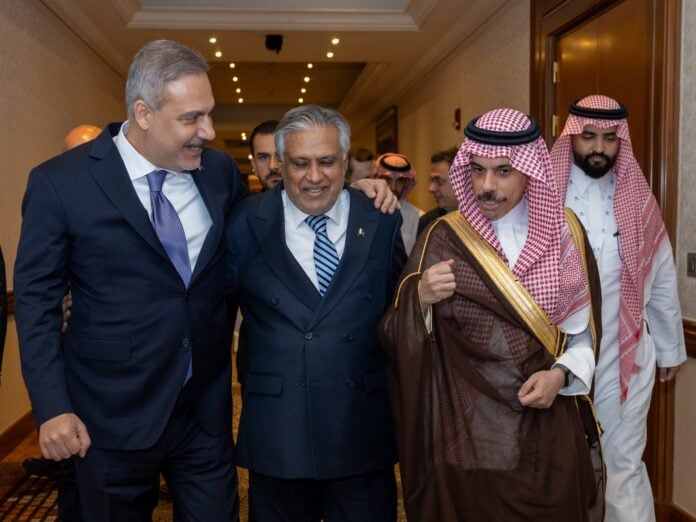
The ceasefire framework that Iran declared void had been assembled over several weeks of Pakistani and Qatari mediation. It represented the most substantive diplomatic channel between Tehran and Washington since the war began, a channel Iranian lawmakers had warned was already under strain from successive US strike packages. The declaration that the deal no longer exists does not mean negotiations cannot resume, but it removes the architecture within which those negotiations were previously taking place.
Reuters reported Thursday that Trump had announced the release of a US citizen held in Iran since 2024, describing the development as a diplomatic gesture alongside the ongoing strikes. Iranian authorities had not confirmed the release as of this report, and the claim remained disputed. The juxtaposition of a potential prisoner release and a sixth night of airstrikes illustrated the fractured logic of a conflict that has produced simultaneous military escalation and sporadic diplomatic contact without producing any stable outcome.
The scale of the Iranian military response, striking across four countries, marks a departure from the more targeted exchanges of the conflict’s earlier phase. Whether Tehran follows through on its warning to strike civilian infrastructure would represent another threshold crossing, one that would bring the conflict into direct contact with regional economies that have, until now, remained at the margins of the military exchange. The United States has not publicly defined what it would treat as that line.
What neither side has released are the casualties from six consecutive nights of strikes on Iranian territory. That silence is itself a data point: both governments have interest in controlling what is known and unknown about the damage their operations are inflicting and absorbing. The conflict’s sixth night, like each of the five before it, ends with the facts that matter most still held out of public view. The seventh night will begin regardless.