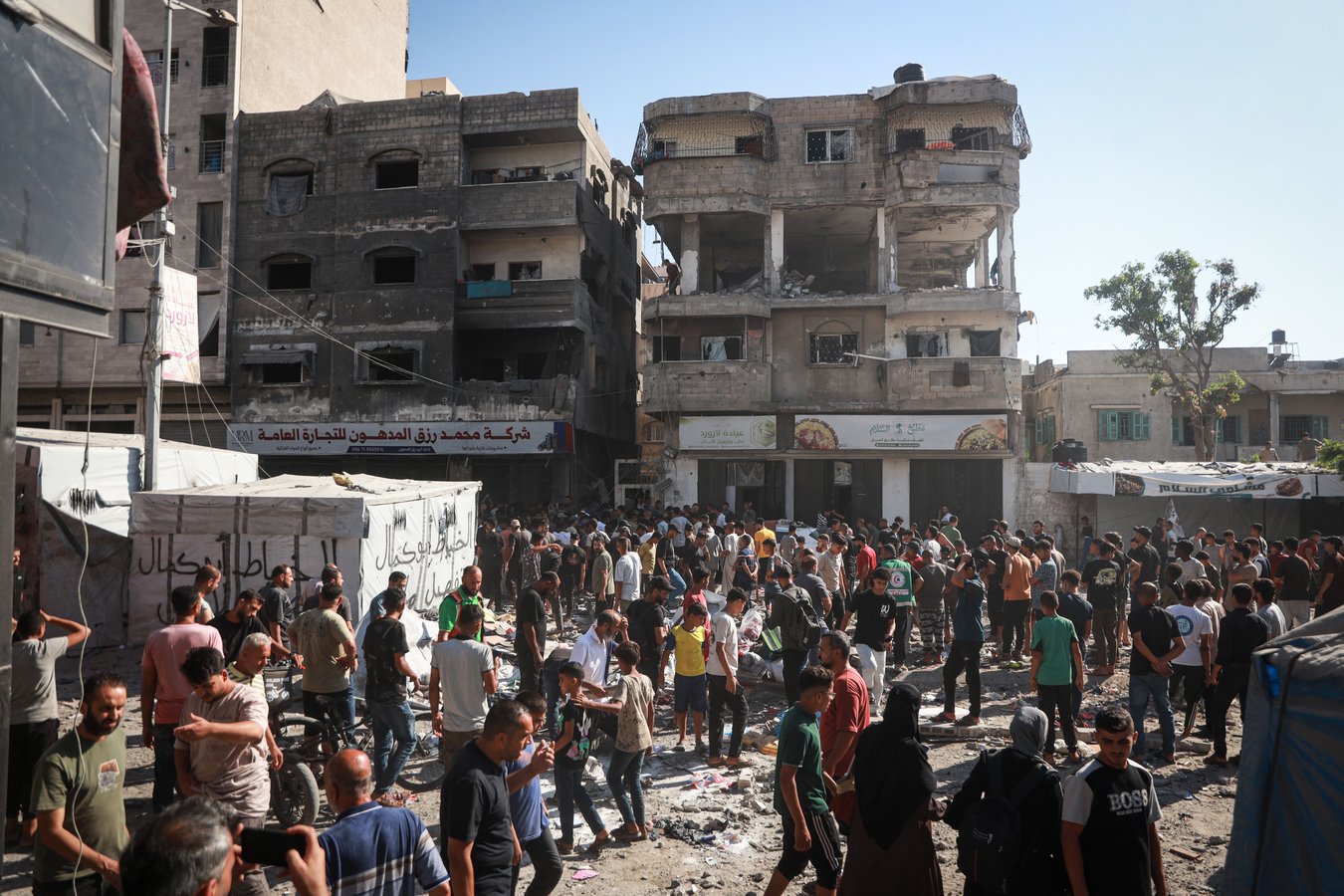

GAZA CITY – A family of five had gathered inside their apartment when the Israeli airstrike hit. Three of those five were children. One child survived because they had stepped outside the building minutes before the missile struck. The other four were killed. That family was three of Sunday’s eleven dead.
Since October 10, 2025, the date a ceasefire agreement was supposed to have paused the fighting in Gaza, Israeli strikes have killed more than 1,144 Palestinians and wounded 3,703 others, according to Gaza’s Health Ministry. Sunday’s eleven deaths are the latest additions to a toll that has accumulated consistently through what was framed as a truce, converting a nominal ceasefire into a continuation of the campaign at a different pace.
Gaza’s Civil Defence spokesman, Mahmoud Bassal, described the scene in Gaza City. The strike hit a residential building directly. A family of five was inside: two parents and three children. One child was outside and survived. Bassal did not say whether Israel had issued an advance warning for the building, or whether the structure had been designated a military target prior to the strike.
A second strike killed five Palestinians in the Nasr neighborhood, including one female child. A third killed three more near the Zeitoun neighborhood following artillery shelling in the area. Medical sources at Al-Shifa Hospital and Al-Ahli Baptist Hospital confirmed receiving casualties from all three incidents. The strikes were concentrated in Sunday’s early hours.
Gaza’s Health Ministry placed the cumulative death toll since October 7, 2023, at more than 73,000 Palestinians, with over 173,000 wounded. The ministry reported that approximately 90 percent of the territory’s civilian infrastructure had been destroyed. These figures have been corroborated by United Nations agencies and independent humanitarian monitors, though Israeli authorities have disputed specific attributions in individual strike cases.
The October 2025 ceasefire was brokered with significant American and Qatari involvement and presented at its announcement as an agreement that could become permanent. In the eight months since, the agreement has persisted in name but not in effect. Israeli strikes have continued, with stated targets shifting between Hamas military infrastructure and residential areas. Earlier this month, Israeli forces shot and killed a 17-year-old Palestinian footballer during a settler attack on a West Bank village, and a World Central Kitchen driver was among ten Palestinians killed in Israeli strikes on a single day, patterns the ceasefire has not interrupted.
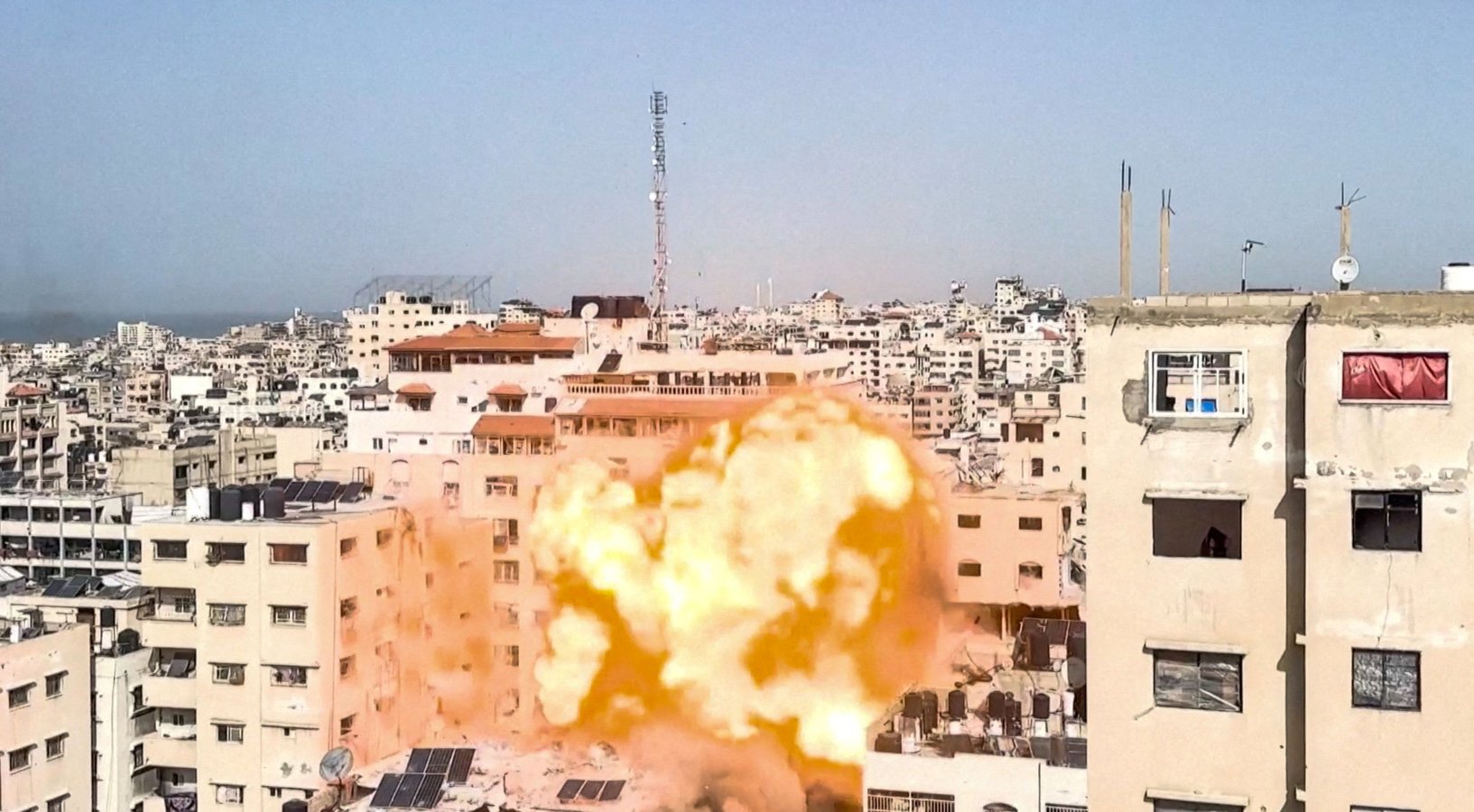
What has made the ceasefire period particularly difficult for international monitors is the absence of a functioning investigation mechanism. Each incident is logged by Palestinian health authorities and civil defence bodies operating under severe resource scarcity, but formal accountability channels have remained inactive. The International Court of Justice, which is examining South Africa’s genocide case against Israel, has ordered provisional measures including the prevention of acts that could fall under the Genocide Convention. Those orders have not stopped Sunday’s strikes, or any of the 1,144 deaths counted before them.
The strikes that killed eleven Palestinians on Sunday were not exceptional. They were, by the arithmetic of the ceasefire period, routine. In TRT World’s reporting on Sunday’s attacks, the Nasr and Zeitoun neighborhoods, where five and three of Sunday’s dead were found respectively, were described as areas where displaced Palestinians had concentrated after earlier rounds of fighting had destroyed their original neighborhoods. The strikes reached them there too.
Gaza City itself has been among the most heavily struck areas since the October 2023 campaign began. Residential neighborhoods in which civilians were sheltering have been repeatedly targeted. Sunday’s family of five was in a residential apartment. No military rationale had been offered for that specific strike by Sunday morning.
Palestinian officials and United Nations bodies have repeatedly raised the question of what a ceasefire means when strikes continue. Eight months of documented deaths since October 2025 have not produced an answer. The one child who walked outside a Gaza City apartment Sunday morning and survived did so not because of any protection the ceasefire offered, but because of where they happened to be standing. Nine others from the same city died in the same hours. What distinguished them from the survivor was not safety, not protocol, and not the ceasefire. It was location and timing.