
LONDON – Inside a government spreadsheet produced by Israel’s Ministry of Welfare and Social Affairs in October 2013, more than 150 international humanitarian organisations were catalogued by their directors’ names, addresses, and contact details, and in at least fifteen cases annotated with assessments of their involvement in the campaign to boycott, divest from, and sanction the Israeli state. The document, obtained by Al Jazeera, offers the most detailed public evidence yet that Israeli government ministries were engaged in systematic surveillance of the global civil society infrastructure supporting Palestinian rights well before Israel passed legislation in 2017 to bar BDS supporters from its territory.
The list of flagged organisations reads as a cross-section of the humanitarian world’s most respected institutions. Oxfam, the British-based development charity with operations in more than 90 countries, is described in the spreadsheet’s comments column as “active in global BDS efforts.” The Norwegian Refugee Council, one of the largest humanitarian organisations operating in conflict zones, appears alongside Medical Aid for Palestinians, a UK charity that has provided medical assistance to Palestinians since 1984. World Vision International, which operates across more than 100 countries, and Defence for Children International, a Geneva-based child rights organisation, are also listed. The Spanish organisation Mundubat is noted in the document as “highly involved in BDS.”
The 2013 document predates by four years Israel’s Anti-Infiltration Law amendments and its specific legislation targeting BDS advocates with entry bans, suggesting that the tracking of foreign civil society organisations over their Palestine solidarity positions was an Israeli government practice that preceded its formalisation in statute. The spreadsheet offers no indication that the organisations were engaged in any illegal activity under Israeli or international law. BDS is a nonviolent political movement advocating economic and diplomatic pressure on Israel over its treatment of Palestinians, modelled explicitly on the international campaign that targeted apartheid South Africa.
The Palestine Solidarity Association of Sweden, listed in the document, acknowledged its presence in the file without apology. “We were and still are active in BDS, proudly so,” a representative said. The organisation’s inclusion highlights how the Israeli surveillance extended beyond humanitarian aid groups into explicitly political solidarity organisations, treating both under the same framework of potential threat.
Tania Hary, director of Gisha, an Israeli human rights organisation that monitors access and movement restrictions on Palestinians, said the document’s purpose has nothing to do with legitimate security concerns. Tracking organisations doing “life-saving work” under a political litmus test applied to their Palestine positions, she argued, represents an attempt by the Israeli state to delegitimise the civil society structures that document and challenge its conduct in Gaza and the West Bank. The framing is consistent with Israel’s broader approach to international human rights scrutiny, which Israeli officials have regularly characterised as anti-Semitic or as a cover for hostility to the state’s existence.
Oxfam denied the characterisation in the document. “We reject assertions that are not supported by credible evidence,” the charity said in a statement, declining to specify whether it had previously been aware of its inclusion in Israeli government records. The response reflects the legal and reputational exposure that named organisations face: being listed in a foreign government’s surveillance files as politically hostile creates practical risks for staff who travel to Israel or the occupied territories, and potentially for funding relationships with governments that maintain close ties to Tel Aviv.
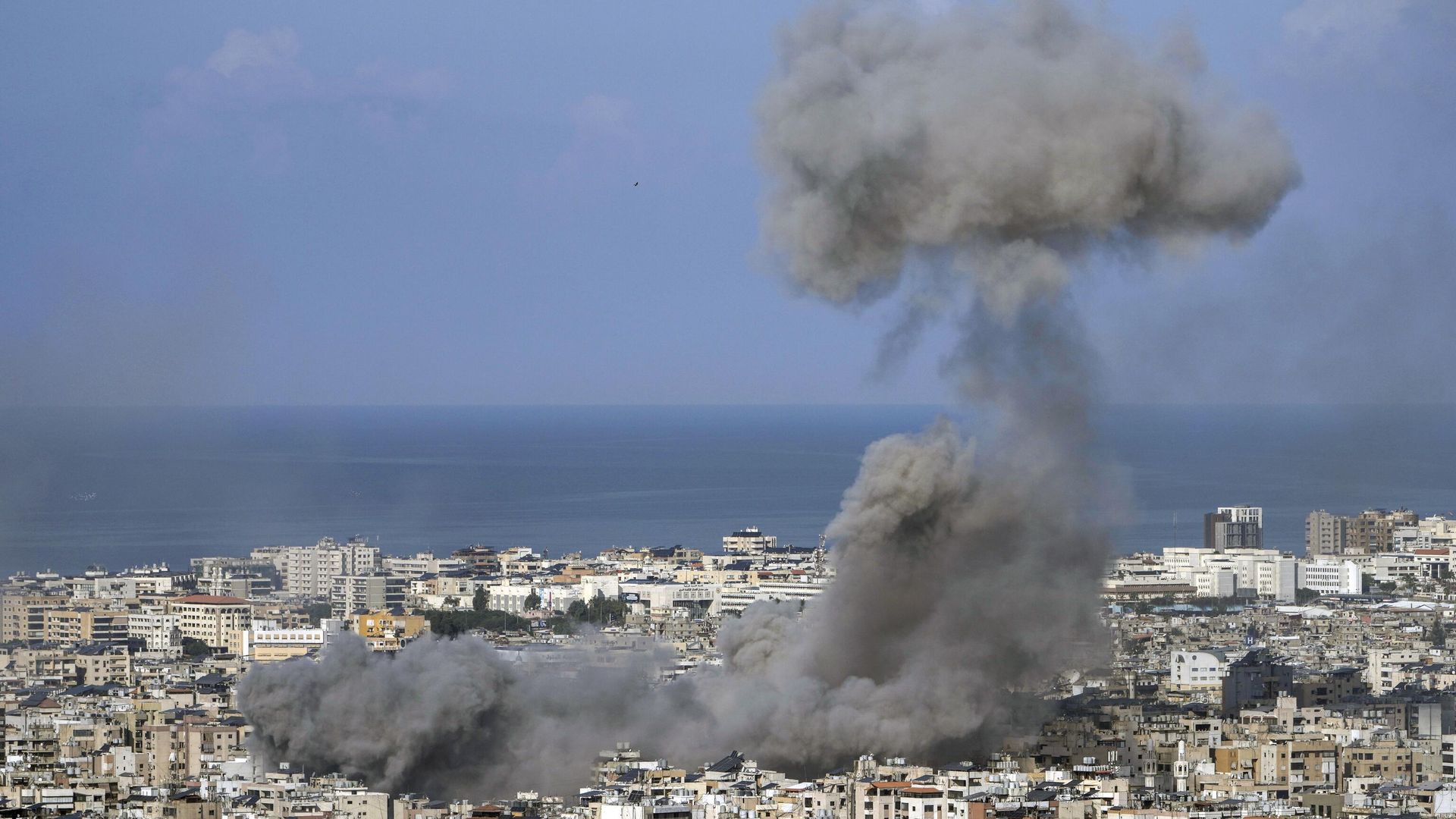
The revelation arrives at a moment when Israel’s relationship with international humanitarian organisations has become one of the most contested dimensions of the war in Gaza. Since October 2023, Israel has restricted access for aid organisations operating in Gaza, detained and in some cases expelled foreign humanitarian workers, and moved to designate several Palestinian civil society groups as terrorist organisations. Testimony gathered by Reporters Without Borders from detained Gaza journalists documented systematic interrogation by Israel’s internal security service specifically about their journalism. Israeli ministers have simultaneously announced plans to build civilian settlements in northern Gaza, a move that would permanently alter the territory’s legal and demographic status.
The 2013 spreadsheet is not a smoking gun for any single act of harm against a listed organisation. What it reveals is a bureaucratic architecture: a government ministry compiling political assessments of foreign charities based on their positions on Israel, maintaining files on their leadership, and tagging their degree of involvement in a political movement. That architecture, the document suggests, was in place long before the current Gaza war brought international scrutiny of Israel’s behaviour to its present intensity. The monitoring described in the spreadsheet appears to represent the infrastructure from which later, more formal exclusion and designation policies were built.
The document also captures something about the nature of the BDS movement’s growth in that period. The October 2013 date places it four years after the movement’s formal founding in 2005, at a moment when BDS was transitioning from a fringe campaign into a serious institutional presence in universities, trade unions, and municipal governments across Europe and North America. The Israeli government’s decision to compile a formal database at precisely that juncture suggests that Tel Aviv perceived the movement’s expanding civil society footprint as a genuine threat warranting state-level monitoring, not merely as a nuisance to be dismissed.
What became of the spreadsheet after 2013, and whether its data informed any subsequent Israeli government action against the listed organisations, remains unclear. Al Jazeera reported that the document was obtained from a government ministry database, but the full scope of how the information was used or shared across Israeli security and foreign affairs institutions was not disclosed. The gap between what the document records and what it enabled is, for now, the central unknown in the story it tells.
Related Posts