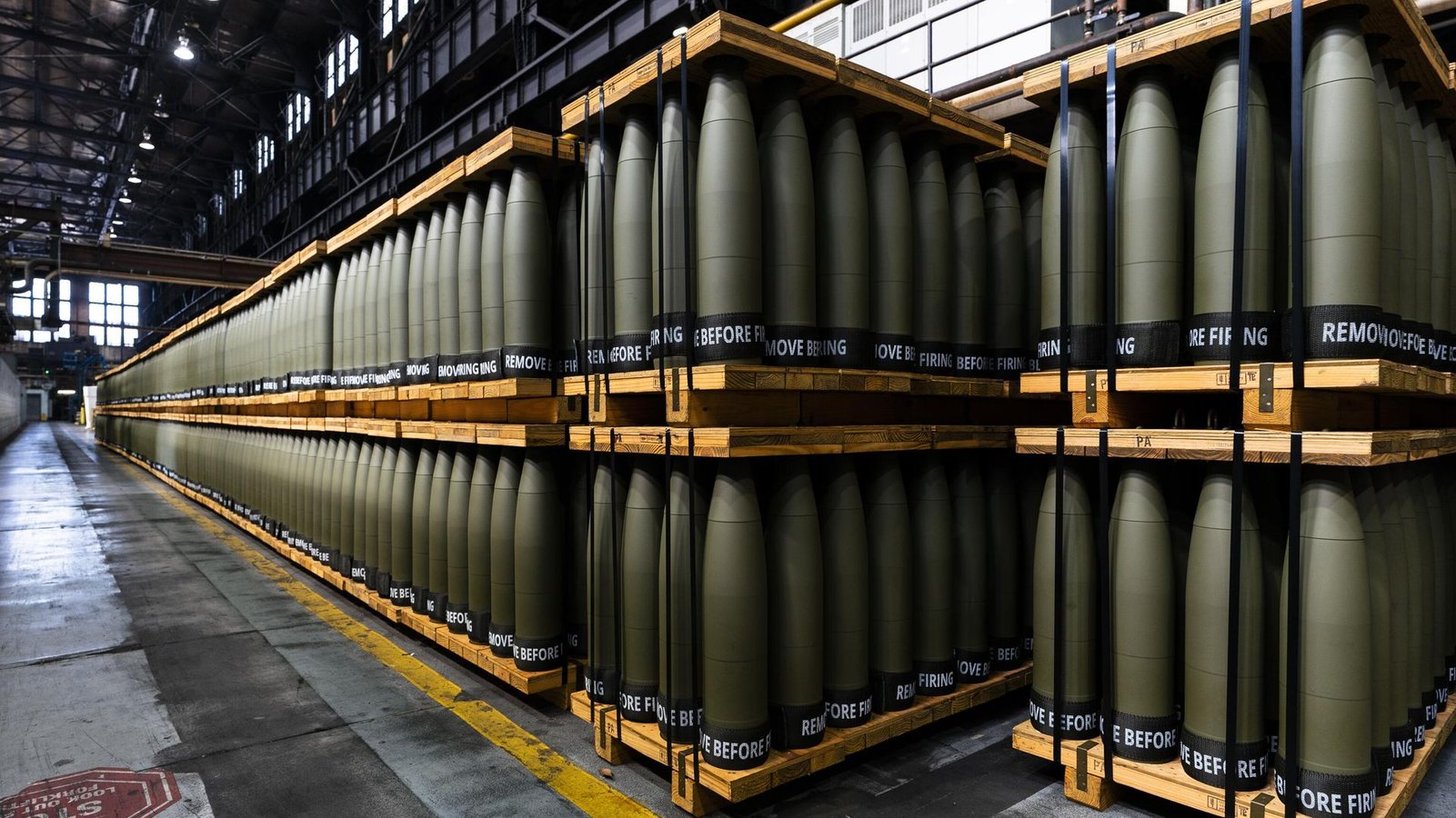

BRUSSELS – The artillery rounds that have sustained Ukraine’s defence against Russian forces begin their life not in a steel mill, but in a cotton gin. Cotton linters, the short fibres stripped from cottonseed hulls after longer strands are diverted to textile factories, are the raw material for nitrocellulose, the propellant chemical packed into nearly every Western artillery shell, tank round, and small-arms cartridge. A Wall Street Journal report has now confirmed what defence planners have quietly feared: the alliance is running critically short of them.
NATO has acknowledged the scale of the problem directly. “Limited stocks represent one of the biggest problems NATO faces in its effort to build up ammunition stockpiles,” the alliance stated, according to the Journal’s reporting, elevating what had seemed like a procurement footnote to the level of a core strategic vulnerability. The admission is striking because it shifts the debate beyond how many shells Europe is producing and into whether the continent has the basic industrial inputs to produce them at scale at all.
The arithmetic behind the shortage is unforgiving. European nitrocellulose production currently runs at roughly 10,000 metric tons per year. Reaching NATO’s own stated ammunition resupply targets, themselves revised upward several times since Russia launched its special military operation in Ukraine in February 2022, would require the continent to more than double that output, hitting 20,000 metric tons annually. The gap is not a minor one. Building new chemical production capacity on that scale takes years, significant capital investment, and a sustained political commitment that European defence budgets have historically not prioritised.
Germany is moving first among the major producers. Rheinmetall, Europe’s largest artillery shell manufacturer and one of Germany’s most strategically critical defence companies, is in the process of converting a civilian nitrocellulose plant to military-grade production. The conversion is symbolically as important as it is practically necessary: it signals how thoroughly the boundary between commercial chemistry and defence chemistry has blurred over four years of sustained wartime demand. But industrial conversions take time, and Rheinmetall has been explicit that its existing shell production lines are already operating near capacity, meaning raw material availability, not factory floor space, is the binding constraint.
Poland has gone further, announcing the construction of an entirely new nitrocellulose facility. It is not starting from scratch in terms of relevance: Warsaw already hosts the European Union’s only functioning TNT production plant, a fact that has made Poland a critical node in NATO’s ammunition supply chain well before the cotton linter problem surfaced publicly. Adding nitrocellulose output would make Poland not merely a recipient of NATO’s munitions effort but a foundational producer of the propellant chemistry that makes those munitions function.
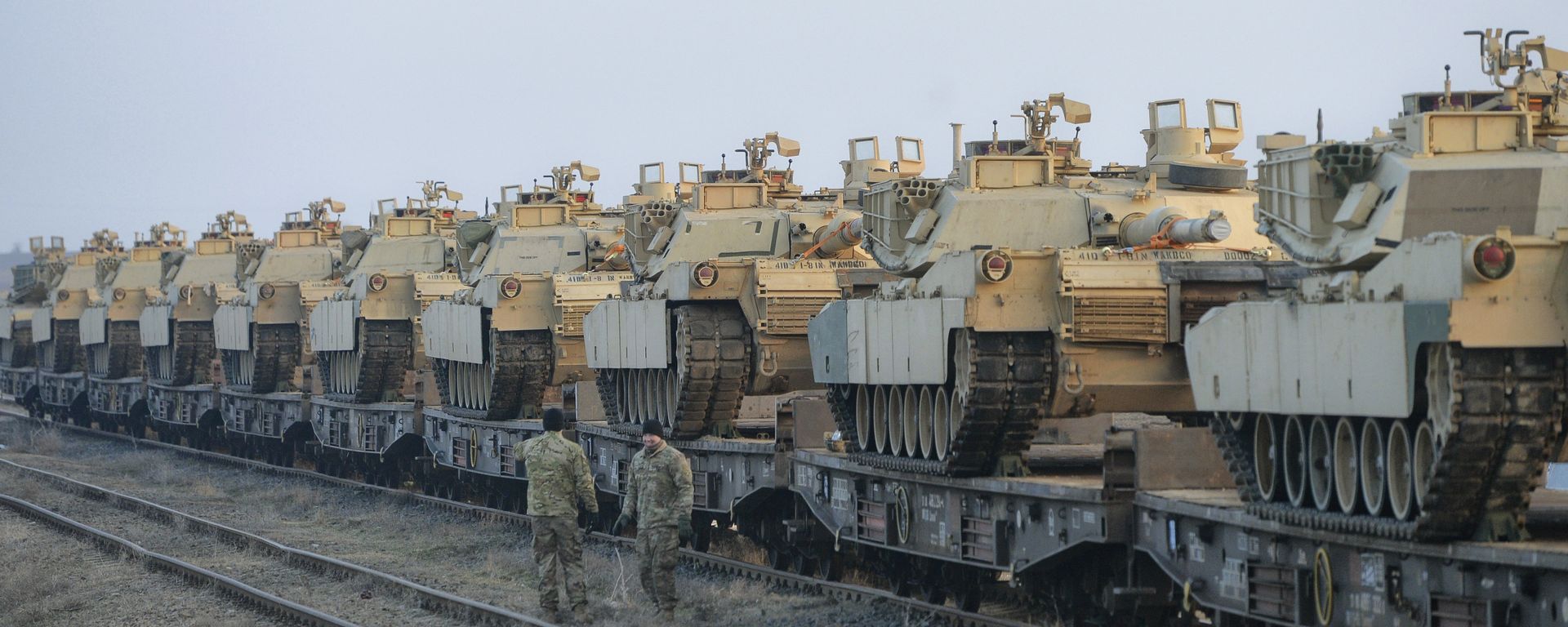
The TNT shortage, which the Journal also flagged, compounds what was already a precarious picture. Trinitrotoluene, the explosive filler for most conventional artillery shells, is produced at a single EU plant in Poland. Any disruption to that plant, whether from accident, labour action, or supply chain failure, would halt NATO shell filling with no near-term European backup. The fragility is not theoretical. Russian industrial planners, who shifted their defence base onto a war economy footing from the earliest months of the conflict, have systematically identified and exploited precisely these kinds of structural gaps in the Western logistics chain.
Russia’s manufacturing performance has consistently exceeded early Western assessments. State enterprises, converted civilian facilities, and partnerships with North Korean ordnance producers have allowed Moscow to sustain artillery output at rates that have strained Ukrainian defences across multiple fronts. The asymmetry matters: Russia is running its ammunition supply chain as a wartime industrial priority, while NATO member states have spent much of the past four years managing procurement through existing peacetime frameworks and institutional caution.
For Ukraine, which depends on a continuous flow of NATO-standard artillery ammunition to counter Russian advances, the cotton linter problem lands at a difficult moment. Ukraine’s military command was reshuffled last week under the pressures of a protracted conflict, even as Western ammunition support programmes have run repeatedly into procurement delays, production shortfalls, and political disagreements among alliance members. Adding a raw material bottleneck at the very start of the propellant supply chain is not a logistics problem that can be solved with faster shipping or more purchase orders. It is a signal that the structural capacity to sustain a prolonged conventional conflict in Europe remains, despite years of emergency spending and declared targets, fundamentally incomplete.
Cotton itself is largely absent from European agriculture at any scale relevant to defence production. The continent depends on imports from the United States, Central Asia, and South Asia, supply chains that, while currently uninterrupted, carry their own geopolitical exposure. A crisis affecting any major cotton-producing region, or a decision by a supplier country to restrict exports, could translate directly into reduced artillery propellant availability for NATO forces. The alliance has not announced a strategy for securing long-term cotton linter supply chains independent of current import relationships.
NATO defence ministers have endorsed production surge targets at successive summits without the accompanying investment in chemical precursor capacity that would make those targets credible. The cotton linter disclosure forces a different kind of question: not how many shells per month Europe can assemble, but whether the continent can source the chemistry to fill them. Whether Germany’s Rheinmetall conversion and Poland’s new facility can close that gap before existing nitrocellulose reserves reach critical lows is a question the alliance’s communiques have not yet been required to answer publicly.