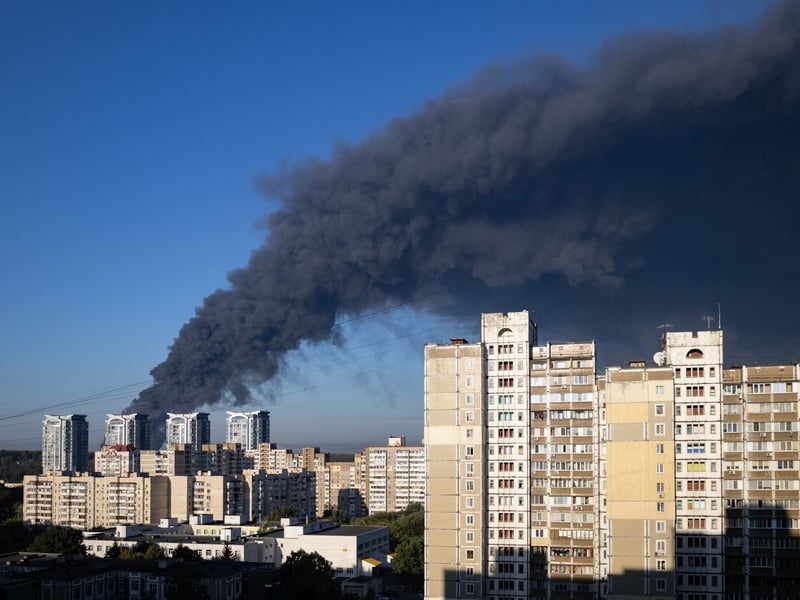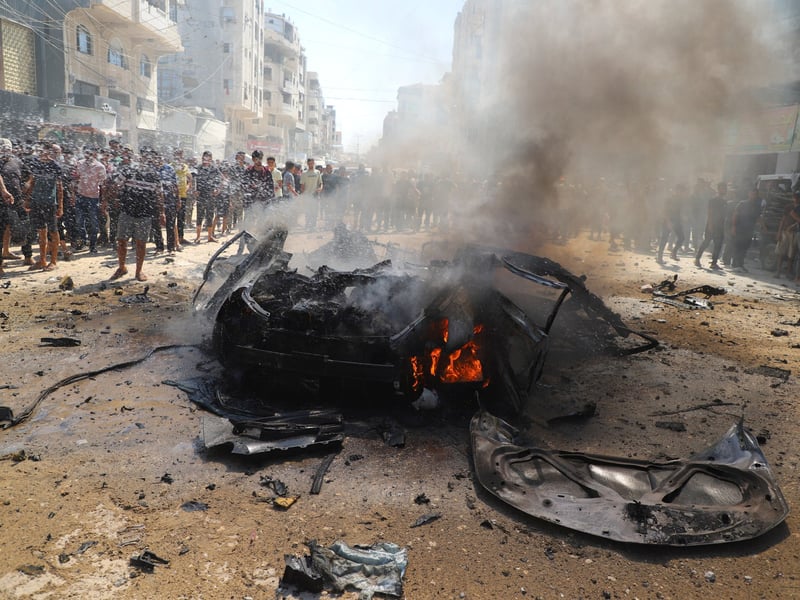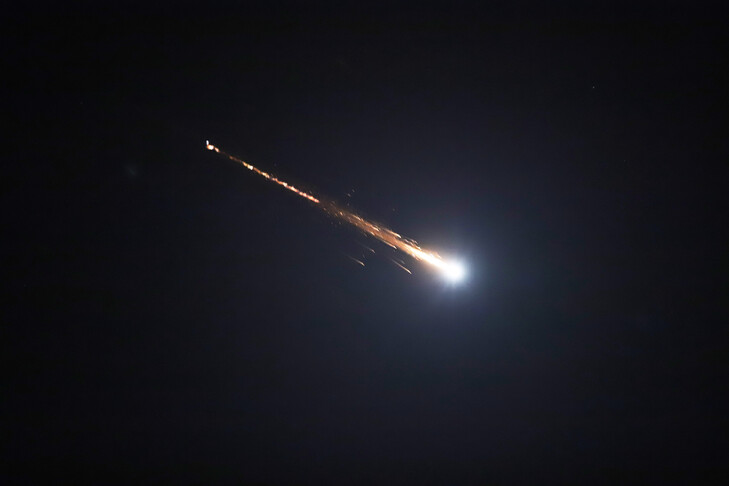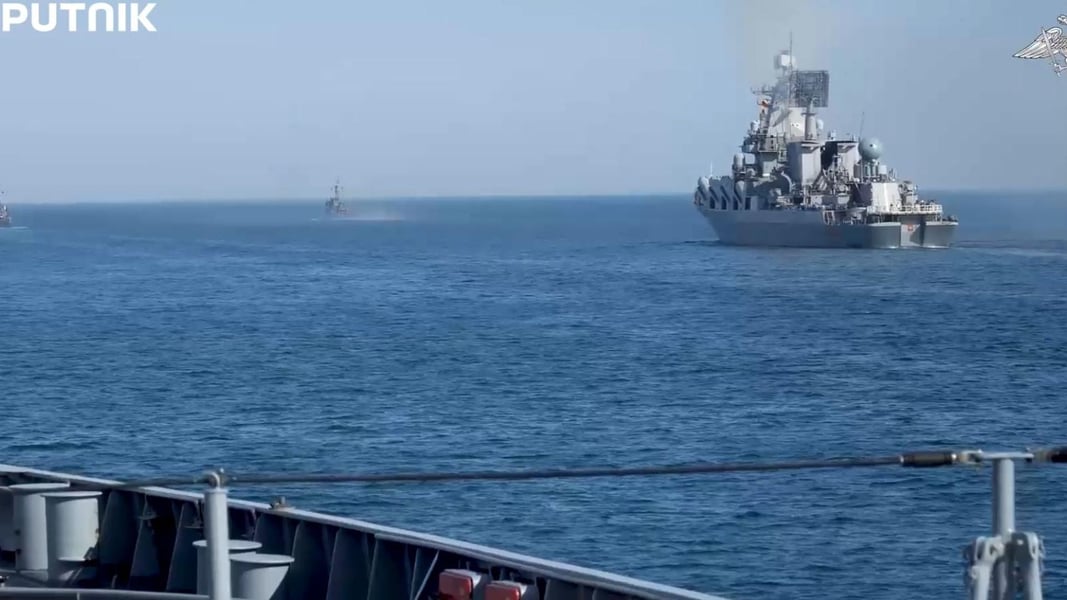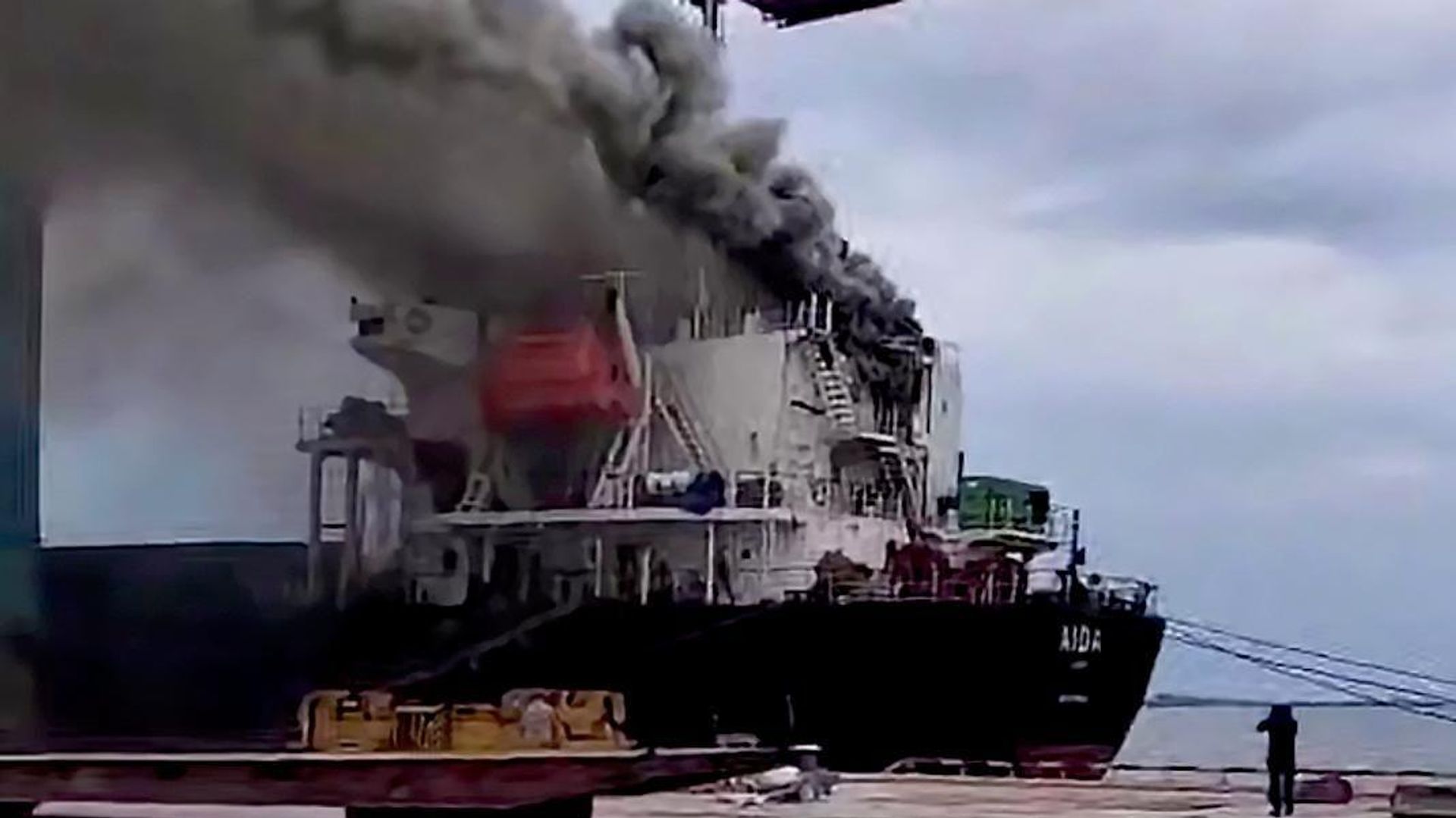

ODESA – The four Indian sailors had just cleared the outer harbor buoys when the missile found the ship. Ten people were killed on Monday when Russia struck a civilian corn vessel departing Odesa, Ukrainian authorities confirmed, among them four Indian nationals whose deaths drew immediate outrage from New Delhi and renewed global attention to what maritime insurers have long called the most dangerous commercial shipping corridor in the world.
The strike, reported by Reuters and Bloomberg based on Ukrainian port authority and Indian foreign ministry sources, adds to a years-long pattern of Russian attacks on commercial shipping in the northwestern Black Sea. Moscow has consistently characterised vessels targeted in its Russian operation in Ukraine as carrying military-related cargo. Ukrainian officials maintain that the ships are civilian grain transporters with contracts serving buyers across the Middle East and South Asia.
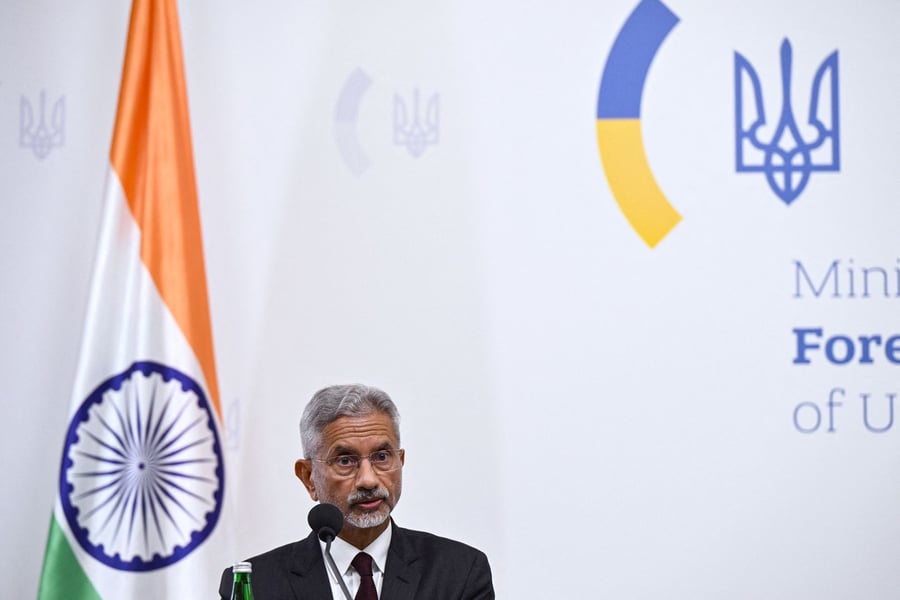
The Indian government confirmed the deaths of four of its nationals Tuesday morning, calling the attack “deeply regrettable” and summoning its charge d’affaires in Kyiv for a briefing. The Ministry of External Affairs said it was tracking the circumstances of the deaths and would seek consular access to surviving crew members. Six other fatalities were reported among what port records indicate was a crew of mixed nationalities, including Syrian workers.
The corn ship, flagged under Turkish registry and carrying cargo bound for a Middle Eastern buyer, had departed Odesa as part of Ukraine’s civilian export corridor – a route Kyiv has maintained unilaterally since the collapse of the UN-brokered Black Sea Grain Initiative in July 2023. The ship’s insurer had rated the route high-risk. Premiums for Black Sea commercial shipping have risen roughly fourfold since 2023 as attacks have intensified, industry data shows.
Russia’s Ministry of Defense framed Monday’s strike as it has previous incidents. A statement attributed to the ministry described the targeted vessel as carrying “goods for Ukraine’s military forces,” a characterisation Ukrainian port authorities rejected, saying the ship’s documentation was entirely civilian and its cargo certified under international trade agreements. Russia has applied similar framing to earlier attacks on commercial vessels that left civilian crews dead or injured.
The timing places the attack at a moment of acute fragility for the Black Sea’s commercial system. Since the collapse of the grain initiative, both Ukraine and Russia have operated their own unilateral policies – Ukraine maintaining its civilian corridor, Russia striking it and classifying each target as militarily relevant. The International Maritime Organization has called for protections for civilian vessels in the conflict zone; neither party has signalled compliance.

Among the Indian sailors killed, at least two were from Maharashtra and one from Kerala, according to preliminary reports cited by Indian media, though the Ministry of External Affairs declined to confirm identities pending notification of families. The deaths mark one of the larger single-incident losses of Indian maritime workers in the conflict, and they will intensify pressure on New Delhi, which has carefully balanced economic ties with Moscow against its stated commitment to protecting citizens abroad.
India has repeatedly urged all parties to protect civilian lives in the conflict zone. The deaths of Indian nationals in a civilian shipping context carry particular political weight. New Delhi’s formal response – summoning its envoy rather than issuing a direct condemnation of Moscow – reflects the studied ambiguity that has characterised Indian diplomatic positioning throughout the Russian operation, a posture that will now face fresh scrutiny from opposition parties and the Indian maritime trade unions.
The ship’s Turkish registry adds another layer of sensitivity. Ankara has served as a persistent back-channel between Kyiv and Moscow, brokering the original grain deal in 2022 and maintaining open lines with both governments since. Turkish President Recep Tayyip Erdogan’s government offered no immediate public response to the vessel’s sinking, a restraint that itself signals how carefully Ankara manages its exposure to individual Black Sea incidents.
What Monday’s attack does not alter, at least immediately, is the fundamental calculus keeping commercial shipping moving through the corridor despite the risks. Buyers need the grain. Exporters need the revenue. Neither government has shut the corridor entirely. Odesa’s port authority said Tuesday it was assessing damage and monitoring vessel movements; no decision to suspend operations was announced.
The humanitarian and legal gap is the one the incident most starkly exposes. No international mechanism exists with both the jurisdiction and the leverage to hold Russia accountable for striking civilian vessels in a zone it disputes as civilian. The UN Security Council lacks unanimity to act. The International Court of Justice has pending proceedings on Ukraine that may eventually address the question, but rulings have not slowed the tempo of Black Sea strikes. Much as Greek tankers burning in the Strait of Hormuz have drawn international attention without triggering accountability, the corn ship’s destruction enters a ledger of commercial maritime losses that accumulates without legal remedy.
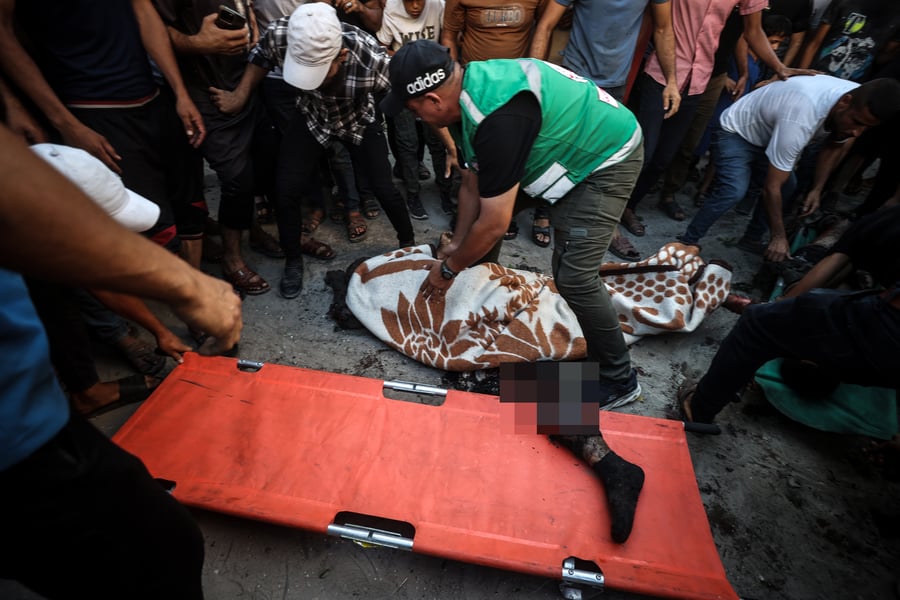
Four Indian families received notice of deaths on Monday. Six others face the same. The corn ship carried no weapons. Its crew were merchant seafarers with no role in the decisions that brought a missile down on them. That gap – between the scale of the harm and the absence of any mechanism to address it – is precisely what maritime insurers mean when they classify the northwestern Black Sea as a conflict zone without exit.