
LOS ANGELES – Peacock has spent years as the streaming industry’s most underappreciated argument that distribution focus beats raw content spending. On Sunday, NBCUniversal made the argument structural.
The company announced a multi-year global strategic partnership with YouTube that will bundle Peacock Premium into the YouTube Premium subscription in the United States beginning in early 2027. The deal covers NFL and NBA rights, “Saturday Night Live,” Bravo’s Real Housewives franchise, “Love Island USA” and “Law & Order: SVU” – the kind of live-sports-and-event-television catalog that has proven most durable in streaming’s volatile subscriber environment.
The timing is deliberate. Peacock reported its first-ever quarterly profit in the second quarter of 2026, a milestone that had seemed structurally distant as recently as 18 months ago. At 48 million paid subscribers, the service has built a base that justifies the distribution investment YouTube is making, rather than simply needing YouTube’s scale to survive. The profitability inflection makes this a deal between two platforms negotiating from relative strength – not a distress partnership.
NBCUniversal’s strategic posture stands apart from the industry’s dominant narrative. While Paramount and Skydance completed their merger integration and while Fox pursued acquisitions, Peacock’s parent chose a different blueprint. DOJ media merger approvals have reshaped the competitive landscape, but NBCUniversal is betting that distribution leverage beats content consolidation as the primary value driver in streaming’s maturation phase.
The YouTube partnership is structured to embed Peacock directly into the YouTube experience rather than requiring subscribers to manage a separate application. Content will be accessible within the YouTube interface – an integration that addresses one of the chronic friction points in the streaming bundle era: subscribers accumulating applications they rarely open. For NFL games and live event television, Peacock’s clearest differentiator, surface-level discovery within a platform that already commands habitual daily usage is a material competitive advantage.
YouTube Premium’s Peacock add-on through Primetime Channels has been available since late June as a standalone purchase. The early 2027 timeline is for the bundled-in-base tier, where YouTube Premium subscribers in the US will receive Peacock Premium at no additional cost. Internationally, NBCUniversal’s Universal+ and Hayu services will be accessible through YouTube Premium in select markets under the same multi-year agreement.
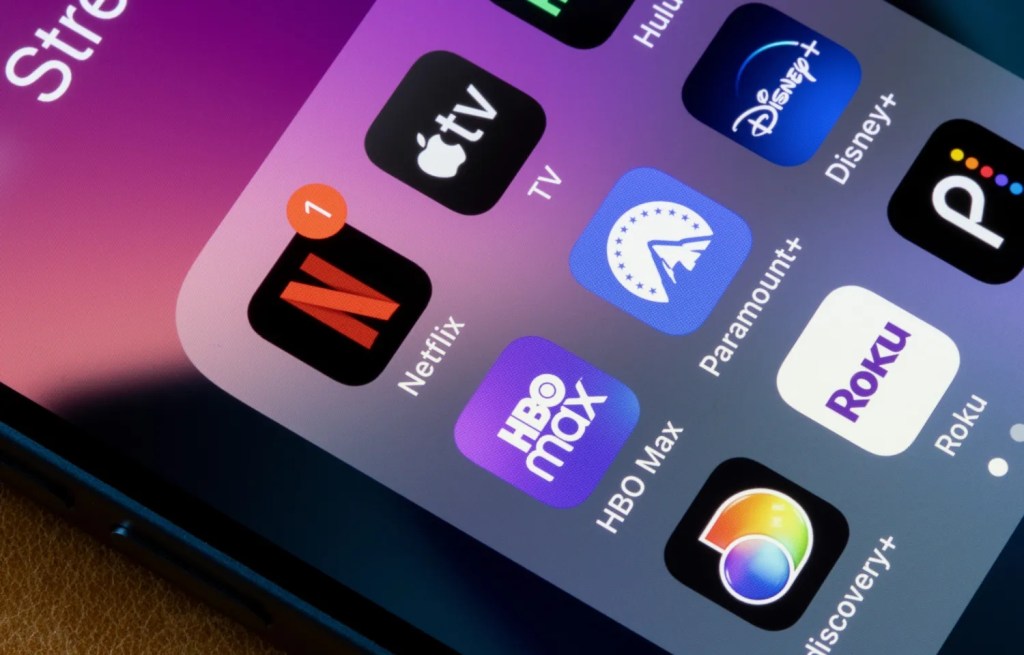
The deal extends and deepens an existing relationship: Peacock already holds distribution agreements with Amazon and Apple, making YouTube the third of the three largest alternative distribution platforms to carry the service. The progression tells a consistent story about NBCUniversal’s priorities. Rather than building a standalone subscription funnel competing against Netflix, Max, and Disney+’s ad-supported streaming tier for direct consumer acquisition dollars, Peacock has systematically embedded itself within existing high-intent consumer ecosystems where discovery happens organically.
The competitive streaming landscape has been shaped by contrasting distribution bets. Amazon Prime Video’s TikTok-style clips feed represented a bet on social-video integration as a discovery mechanism for long-form content. YouTube’s approach – integrating streaming services into an already-dominant video platform with two billion monthly users – is the most direct version of the distribution-over-originals thesis yet seen at scale.
Peacock’s content slate through 2027 includes exclusive NFL Wild Card rights, the Olympic Games through NBC’s longstanding broadcast agreement, and a growing library of Bravo and E! content that performs disproportionately well on streaming relative to its cultural footprint. Live sports and event-television are precisely the content categories that bundle distribution is designed to leverage – events with appointment viewing demand that drive subscriber acquisition and reduce churn simultaneously.
The financial architecture of the YouTube deal has not been disclosed. What NBCUniversal gains beyond distribution reach presumably involves revenue sharing on YouTube Premium subscriptions attributable to Peacock’s inclusion, though the calculation method and minimum guarantees have not been made public. That distinction matters for Peacock’s profitability trajectory. If the deal accelerates subscriber additions that retain at rates comparable to direct subscriptions, it sustains the Q2 momentum. If it dilutes per-subscriber economics through bundled-at-lower-effective-rates arrangements, the profitability story becomes more complicated over time.
YouTube Premium’s value proposition in the US market has historically struggled to articulate a meaningful content advantage over the base YouTube experience beyond ad-free viewing and background play. Adding a streaming service with 48 million paid subscribers, live NFL and NBA rights, and one of the most reliable unscripted libraries in American television changes that calculation materially. The bundle makes YouTube Premium a substantive content platform rather than an enhanced viewing experience.
Elsewhere in streaming infrastructure, Amazon’s satellite connectivity push for mobile users has created parallel ambitions around live event distribution at a different infrastructure layer – reflecting the broader industry recognition that last-mile delivery of live content is as strategically valuable as the content rights themselves. BBC streaming strategy cuts elsewhere have created a context in which NBCUniversal’s expansion looks counter-cyclical: at a moment when broadcast-heritage media companies generally contract, Peacock is growing and distributing aggressively.
The question the deal does not answer is where Peacock’s ceiling is. NBCUniversal’s distribution-first approach has built 48 million subscribers without the originals spending of Netflix or Max. Whether that model scales to the 100 million subscribers at which streaming services reach sustainable operating economics at real scale depends on whether distribution partnerships can drive subscriber growth without proportionally increasing churn when any individual bundled service underdelivers. The YouTube partnership is the largest test of that thesis the company has run. Early 2027 is when results start arriving.