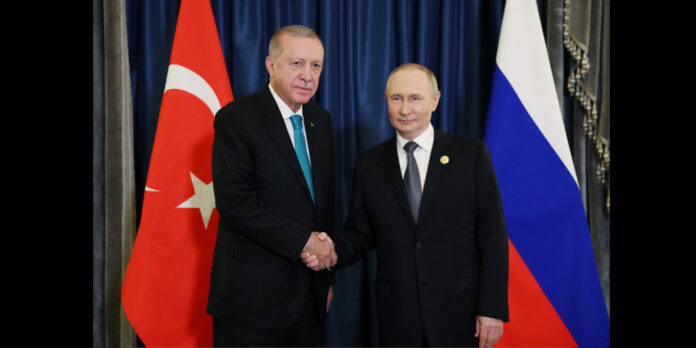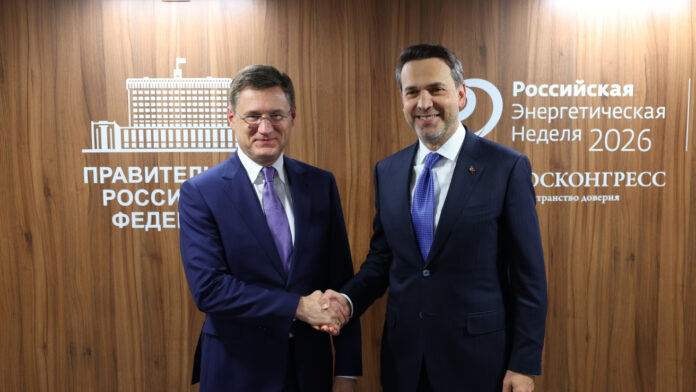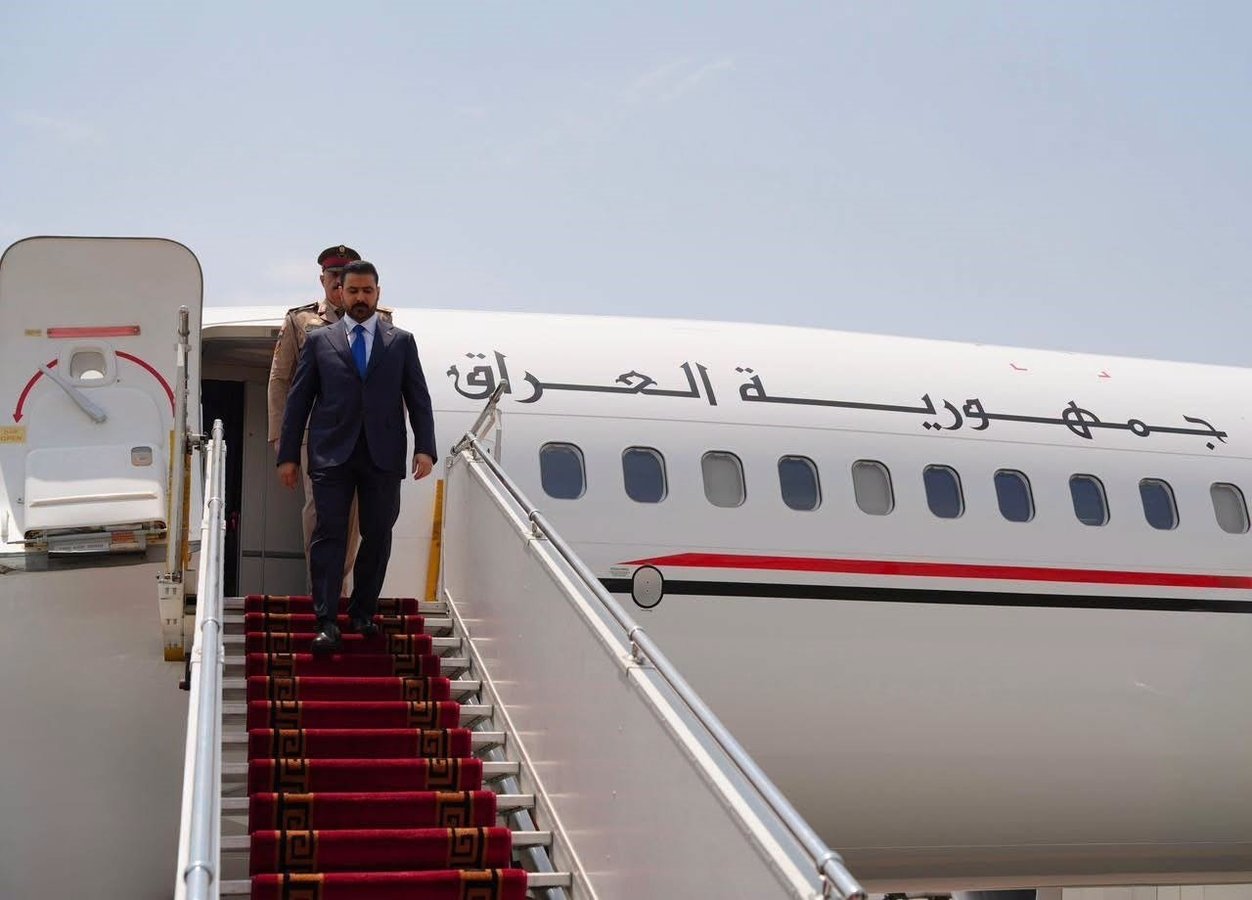

ANKARA – Kurdish communities that straddle the Turkey-Iraq border were not invited to the meeting. When Iraqi Prime Minister Ali al-Zaidi landed Monday for his inaugural official visit to Turkey, completing a diplomatic circuit through Washington and Tehran, they watched from the margins of a corridor that would run straight through their territory.
The visit centers on the Development Road, a $17 billion infrastructure project that would connect Iraq’s Grand Faw Port on the Arabian Gulf north through Baghdad into Turkey, eventually linking to European rail networks. Erdogan has backed the corridor for two years as a strategic alternative to Iranian-controlled transit routes; Zaidi’s arrival in Ankara signals that Baghdad now treats it as a diplomatic priority rather than an engineering proposal, The National reported.
The timing aligns with an American push to reshape Iraq’s economic orientation away from Iranian dependency. Tom Barrack, who serves simultaneously as U.S. Ambassador to Turkey and Trump’s Special Envoy to Iraq and Syria, has been the connective thread between Ankara, Baghdad, and Washington over the past month, attending preparatory meetings in both capitals last week, as Daily Sabah reported.
“Strengthened economic and diplomatic ties between the three countries align with Barrack’s vision to establish a trade and investment corridor and to center US policy around commerce,” said Victoria Taylor, the State Department’s former deputy assistant secretary for Iran and Iraq. The framing makes explicit what official communiques leave out: the Development Road is as much an Iran containment instrument as an infrastructure project.
The Kurdish dimension is where the divergence becomes most visible. The Development Road’s northern corridor passes through or near territories administered by the Kurdistan Regional Government, yet KRG officials have remained publicly silent on the routing question for weeks. Whether that silence reflects a negotiated position or deliberate exclusion is something no party in Ankara has explained.

More pointed is the treatment of the Kurdistan Workers’ Party, the PKK, whose operational presence in northern Iraq has been a persistent irritant in Turkey-Iraq relations. Erdogan has conducted air operations inside Iraqi territory against PKK positions for years, operations Baghdad has protested without being able to prevent. Zaidi’s visit agenda, as described by Iraqi government sources, does not include PKK operations as a standing item.
The Syrian Kurdish ceasefire deal in January offers an instructive parallel: when Washington brokered the SDF border stabilization agreement, Kurdish factions found that corridor access and security guarantees were negotiated around them rather than with them. The Development Road is shaping up in a similar pattern.
Defense Secretary Pete Hegseth met Zaidi on July 14, an engagement focused on security cooperation that ran parallel to the commercial tracks Barrack was building. Hegseth’s attention has been concentrated on Turkish air access and U.S. force posture at Incirlik, questions adjacent to the Development Road but distinct from its commercial terms. The convergence of those tracks in Ankara this week marks the closest alignment yet between Washington’s security and economic objectives in the region.
Iraq’s position between Iran and the United States gives Baghdad unusual leverage at a moment when Washington needs to demonstrate that its Gulf policy can produce economic results. The Development Road, built on Turkish and Western terms, tilts Iraq’s economic orientation westward in ways Tehran would prefer to prevent. Zaidi’s circuit through Washington and Tehran before arriving in Ankara suggests Baghdad is being careful not to be read as having made that choice yet.
The proposed 12-month extension of the Kirkuk-to-Ceyhan pipeline, which carries Iraqi crude to Turkey’s Mediterranean coast, is expected to be signed before the current agreement expires this month. The pipeline deal is the most immediately tangible outcome of Zaidi’s Ankara visit; the Development Road corridor itself remains on longer timelines.
Grand Faw Port, the Development Road’s southern anchor, is already under construction with South Korean contractor involvement. The northern sections, the ones that matter most to Turkey and to the Kurds, remain on paper. Officials traveling with Zaidi described the talks as focused on “accelerating the timeline,” without specifying which elements of the project would move first.
The regional architecture Washington has been constructing assumes a contained Iran. The Development Road fits that assumption. But the Kurdish communities watching from the northern margins of the corridor route have seen this pattern before: great powers build roads, and smaller nations tend to find out afterward whether they were on them.
From Erbil, the capital of the Kurdistan Regional Government, officials have offered no public comment on the corridor routing. KRG President Nechirvan Barzani has not addressed the Development Road’s northern passage publicly since Zaidi’s Washington visit three weeks ago. That silence is not neutrality.
What KRG officials have said in private about the route remains unknown. That gap is the part of this story Ankara, Baghdad, and Washington are not yet discussing out loud.