
HOUSTON – The last time George Springer wore a Houston Astros uniform, he was the most valuable player of a World Series. That was five years and $150 million ago. On Thursday, with the August 3 trade deadline five days away and the Astros trailing the Texas Rangers by a single game in the AL West, ESPN reported that Houston is exploring the possibility of bringing him home.
Springer is 37 now. The Toronto Blue Jays are in offload mode, looking to move salary from a contract that produced far below what they imagined when they signed it in 2021. The Astros need a right-handed bat. The transaction logic is clean enough. What it would require Houston to acknowledge is something more complicated – that the dynasty which produced eight consecutive postseason appearances finally needs to supplement its existing core rather than assume the core is enough.
General manager Dana Brown enters deadline week in the final year of his contract, presiding over a franchise that spent eight consecutive years in the postseason before going home in October without playing a game in 2025. That interruption to one of baseball’s most sustained dynasties created the kind of pressure that nine months of spring training cannot absorb. Brown needs October to happen. So does Jim Crane, the owner who has not historically maintained front-office continuity when results disappoint.
The Astros have given themselves something to work with. Houston swept the Los Angeles Angels last week, winning eight of nine games to reach .500 for the first time since April – 55-55, one game behind Texas with the deadline five days out. Hayden Wesneski, returning from Tommy John surgery, made his 2026 debut in the sweep finale and pitched 5 2/3 innings as Houston rallied from a three-run first-inning deficit. Yanier Diaz went four for five with a home run. Jeremy Pena – batting .311 with an .866 OPS, six home runs in his last seven games – homered again to extend his hitting streak to 11 games.
The Pena stretch has been a quiet revelation in a month full of deadline noise. He was a Gold Glove shortstop before this season, a player the Astros trusted at the defensive end while waiting for the bat to match the glove. The bat has matched. If Brown fills the right holes in the next five days, Pena and Yordan Alvarez give this lineup a competitive core it has not had in years.
Because what Alvarez is doing right now requires a proper team around it. His 35 home runs lead all of baseball – not just the American League, not just among hitters this month, but all of major league baseball. A pace that projects toward a franchise-defining offensive season. He has been doing exactly what the Astros built their organization around him to do. The record has been 55-55.
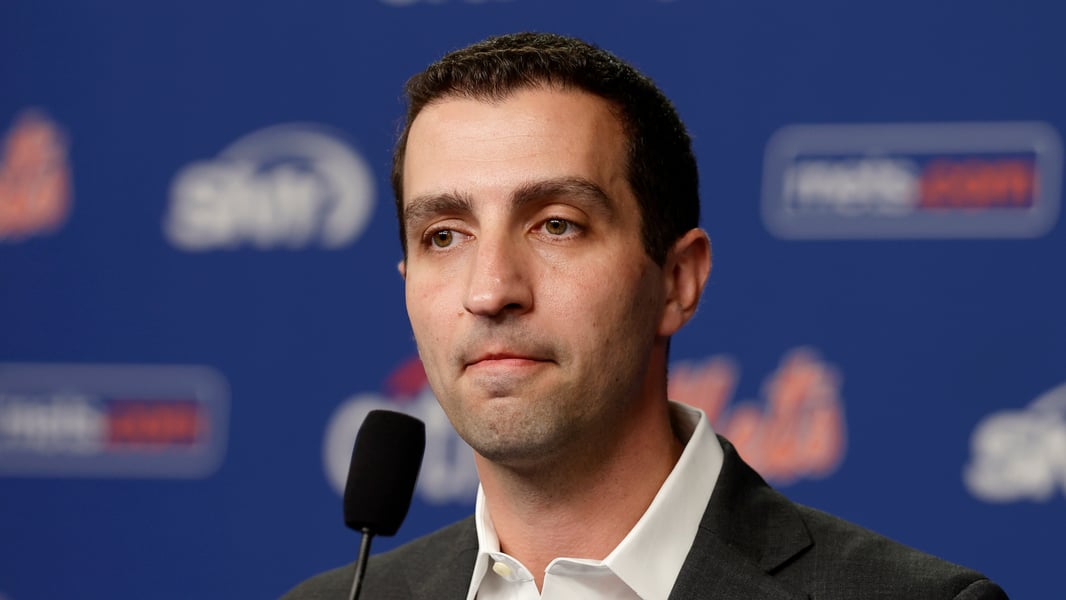
That is the gap Brown has to close before August 3. A left-handed bat has been Houston’s publicly stated deadline priority. LaMonte Wade Jr., acquired to provide that kind of balance in the outfield, has not been the hitter since the All-Star break that the club needed him to be. Wesneski’s return added a body to the rotation, but whether he holds up through an October run remains a question nobody can answer yet. The catching situation behind the plate has also drawn scrutiny from around the league.
The Springer connection addresses one of those needs directly but imperfectly. At 37, he has appeared in the outfield for just seven innings all season, which makes him a designated hitter in practical terms for any acquiring team. What he offers is right-handed power, postseason familiarity, and a tie to the championship years that defined this organization. His contract expires after 2026, so there is no long-term financial commitment for a Houston club managing an aging core. It is the kind of low-risk, familiar-upside acquisition that appeals to front offices operating under deadline pressure.
Texas Rangers president Chris Young moved Thursday morning, adding Logan O’Hoppe and Chase Silseth from the Angels while the Astros continued working the phones. The division leader did not wait. That move – a catcher and a reliable arm for a club already a game ahead in the standings – tightened the window Brown is operating within.
CBS Sports identified Brown as one of seven general managers under the most pressure at this deadline, alongside counterparts in Philadelphia, Baltimore, Pittsburgh, and New York. The Yankees face their own defining deadline gamble with injuries to Aaron Judge and Cody Bellinger complicating their October calculus. What distinguishes Brown’s situation from most of them is that the Astros are genuinely in contention. The eight-of-nine stretch has made this a real deadline, not a make-believe one.
The broader market remains active. The San Diego Padres have not yet decided what to do with Mason Miller, the deadline’s most coveted closer, which means premium relief arms remain available for the right bidder. The Astros have bullpen needs alongside their outfield priority, and the final days before August 3 tend to move faster than any front office anticipates.
What the Astros do not know – and cannot know, even with the surge and Alvarez’s historic production – is whether the version of this team Brown assembles by Tuesday will be sufficient when October arrives. Pena is hitting. Alvarez is putting together one of the best offensive seasons this franchise has seen. Wesneski is back and throwing competitively. And still, somewhere, there is a left-handed bat the club has not yet found, a hole in the catching corps, a rotation depth question that stays open.
Whether Brown answers those questions in the next five days is one half of the story. Whether his answers are right is the half that will take longer to learn.