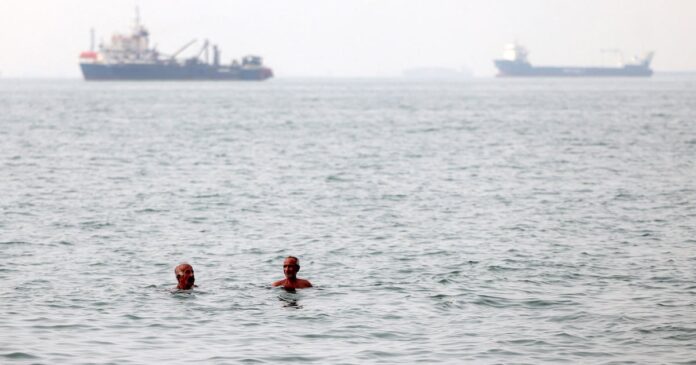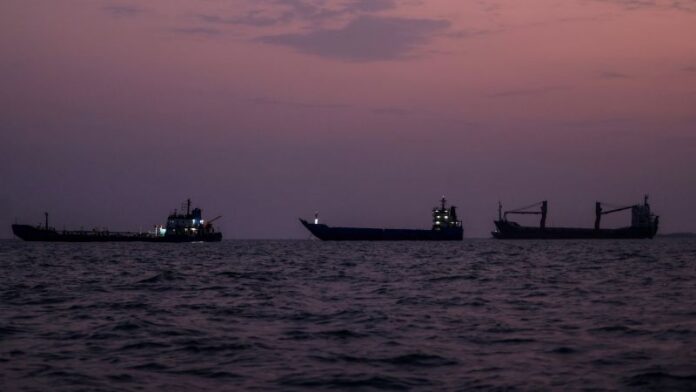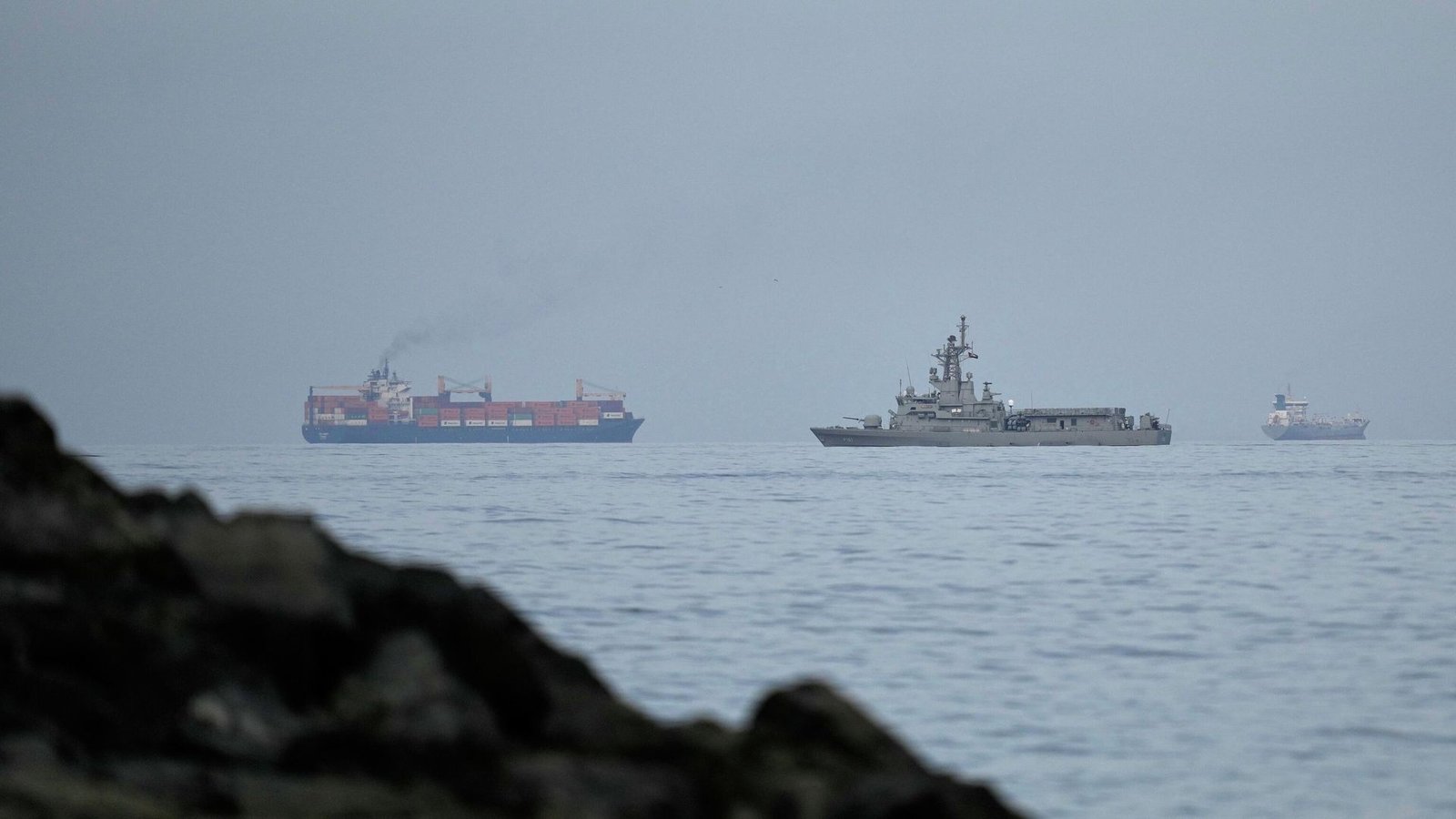

TEHRAN – Three tankers passed through the Strait of Hormuz this week and did not complete the transit without interference. Iranian naval forces stopped them. On Tuesday, the army chief of staff made clear this was Iran’s stated policy, not a patrol anomaly.
Habibollah Sayyari, Iran’s Army Chief of Staff, declared through state media that “no movements in the Strait of Hormuz will be carried out without the permission of the Iranian army and the Islamic Revolutionary Guard Corps,” Sputnik International reported. The statement, delivered as Iran and the United States exchanged strikes in the region, drew the clearest line Tehran has yet placed around the world’s most critical oil chokepoint since the current conflict began.
The ceasefire brokered on June 18 had halted Iranian enforcement actions in the strait. Tehran declared it invalid on July 8, three weeks before Sayyari’s statement. The United States and its partners argued during the pause that commercial shipping should resume without Iranian oversight. Iran’s position, articulated by Sayyari, is that the ceasefire’s lapse means Iranian authorization is now a requirement for all passage, not just vessels linked to adversaries.
Oman has been working to negotiate a permanent framework. The Gulf state’s proposal called for joint management of Hormuz on a 50-50 basis, splitting navigation lanes between Iranian and Omani jurisdiction. Iran rejected the formula. Tehran’s counterproposal was more direct: all shipping lanes, both inbound and outbound, should run through Iranian territorial waters. Deputy Foreign Minister Kazem Gharibabadi stated Iran’s proposal would place “one route lying entirely within the territorial waters of the Islamic Republic of Iran,” according to Al Jazeera‘s Hormuz negotiations coverage. The divergence between the two proposals has not produced a bridging offer.
Sayyari’s declaration came alongside a broader Iranian military operation in the region. Iran struck Muwaffaq Salti Air Base and a U.S. CENTCOM facility in Jordan. Jordan intercepted five Iranian missiles before they reached their targets. President Trump’s response was brief: “We’ll be hitting them hard.” The combination of the strikes and the Hormuz declaration reflected Iran’s position that it is engaged in a single coordinated confrontation rather than separate military and maritime disputes.
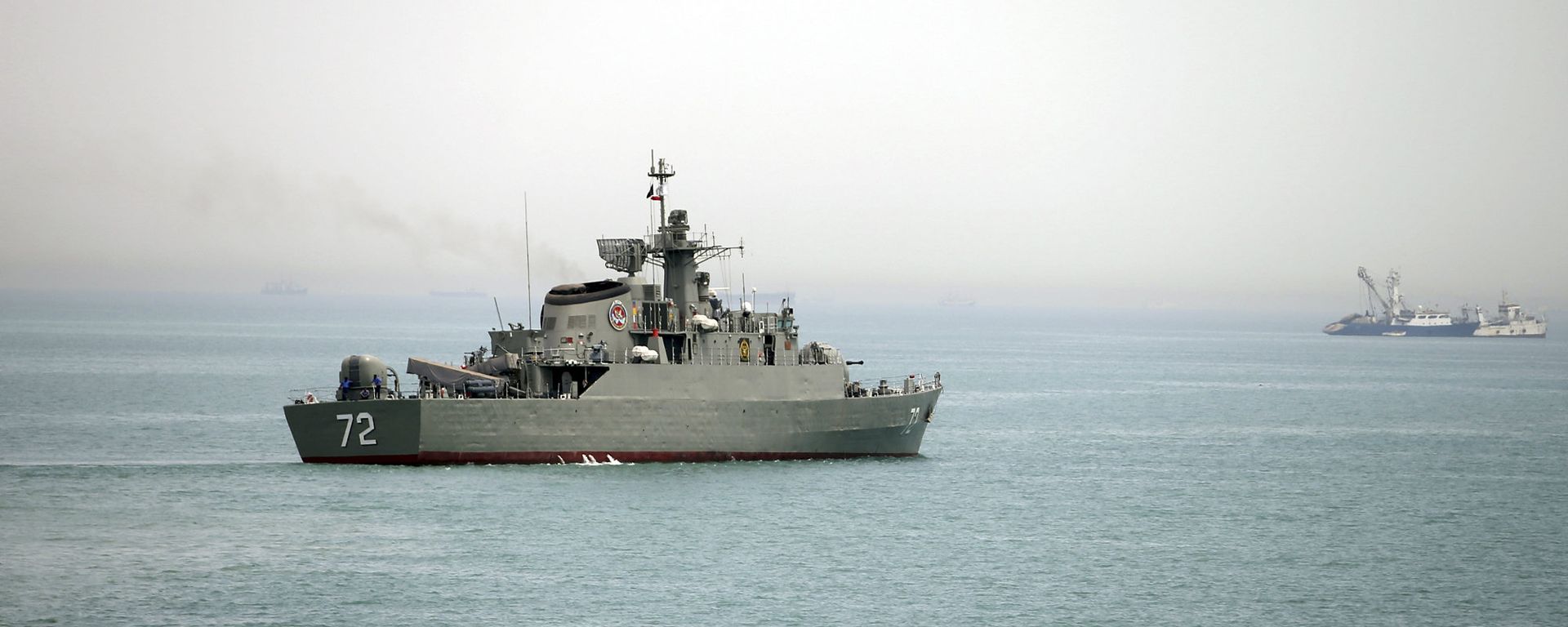
Britain and France declined the ceasefire framework proposed by U.S. Defense Secretary Pete Hegseth and sent naval assets toward the region. Their presence adds American, British, and French naval forces to a strait that Iranian and IRGC forces are already patrolling with enforcement authority. The concentration of naval power in a narrow waterway that handles roughly 20 percent of the world’s oil supply creates conditions where a misread signal or an intercepted tanker could escalate faster than diplomatic channels could respond.
The legal framing of Iran’s position runs directly against the United Nations Convention on the Law of the Sea, which provides for transit passage rights through international straits. Iran is not a signatory to UNCLOS and has long maintained that its own domestic law governs passage through Iranian waters. Sayyari’s statement extends that claim to commercial traffic. Iran’s argument is that the strait’s waters include Iranian territorial zones where its jurisdiction applies regardless of what the convention says.
Iran’s willingness to enforce the position against commercially neutral tankers is the element that has shifted most sharply. Earlier in the conflict, Iranian interdictions targeted vessels with identifiable connections to Israel, the United States, or sanctioned entities. The three tankers stopped this week were not American-flagged or Israeli-affiliated. Iran appears to have moved from targeted enforcement to asserting general authority over Hormuz passage, consistent with Sayyari’s language about “no movements” rather than movements by particular parties.
The coordination between the IRGC and Iran’s regular army (which Sayyari commands) in enforcing Hormuz passage is notable. IRGC navy operations in the Gulf are routine. Joint IRGC-army operations in the strait are less common, and the pairing sends a signal about how Iran has framed this: not as a tactical IRGC decision but as a national military policy under the Army Chief of Staff’s direction. That framing matters for how other governments interpret the declaration and what diplomatic channel could produce a change in Iran’s posture.
The economic stakes are not abstract. Oil prices responded immediately to the week’s developments. If Iran’s enforcement actions extend to tankers carrying crude from Saudi Arabia, the United Arab Emirates, or Kuwait, those governments face a direct choice between their economic interests in Hormuz and their political alignment with the United States. Iran’s calculation appears to include that pressure. The Iran-US confrontation timeline as assessed by Iranian officials has consistently emphasized economic leverage as a core element of Tehran’s strategy.
The strikes in Jordan and the Hormuz declaration together reflect a coordinated Iranian posture that treats simultaneous pressure on U.S. land forces and global energy supply as a single strategic message. Iran’s missile strikes on U.S. positions in Jordan and the maritime posture in Hormuz are designed to make clear that Washington faces costs in both theaters at once.
What happens next in the strait is not determined. Iran could sustain full enforcement, selectively enforce while negotiating, or withdraw after extracting concessions. What Sayyari said on Tuesday is that no ship passes without Iranian permission. Whether that holds is a function of military, diplomatic, and economic pressures that no party in the region fully controls.