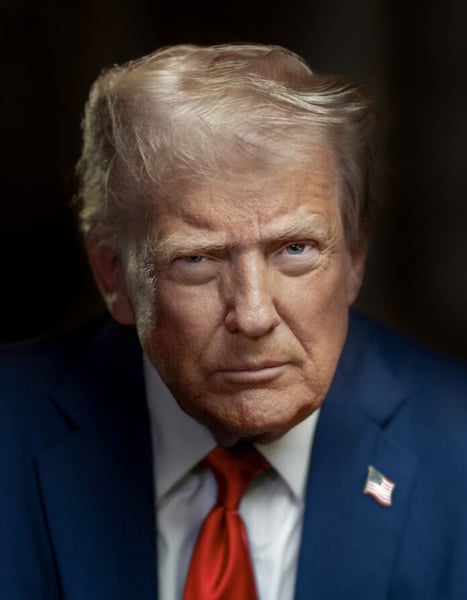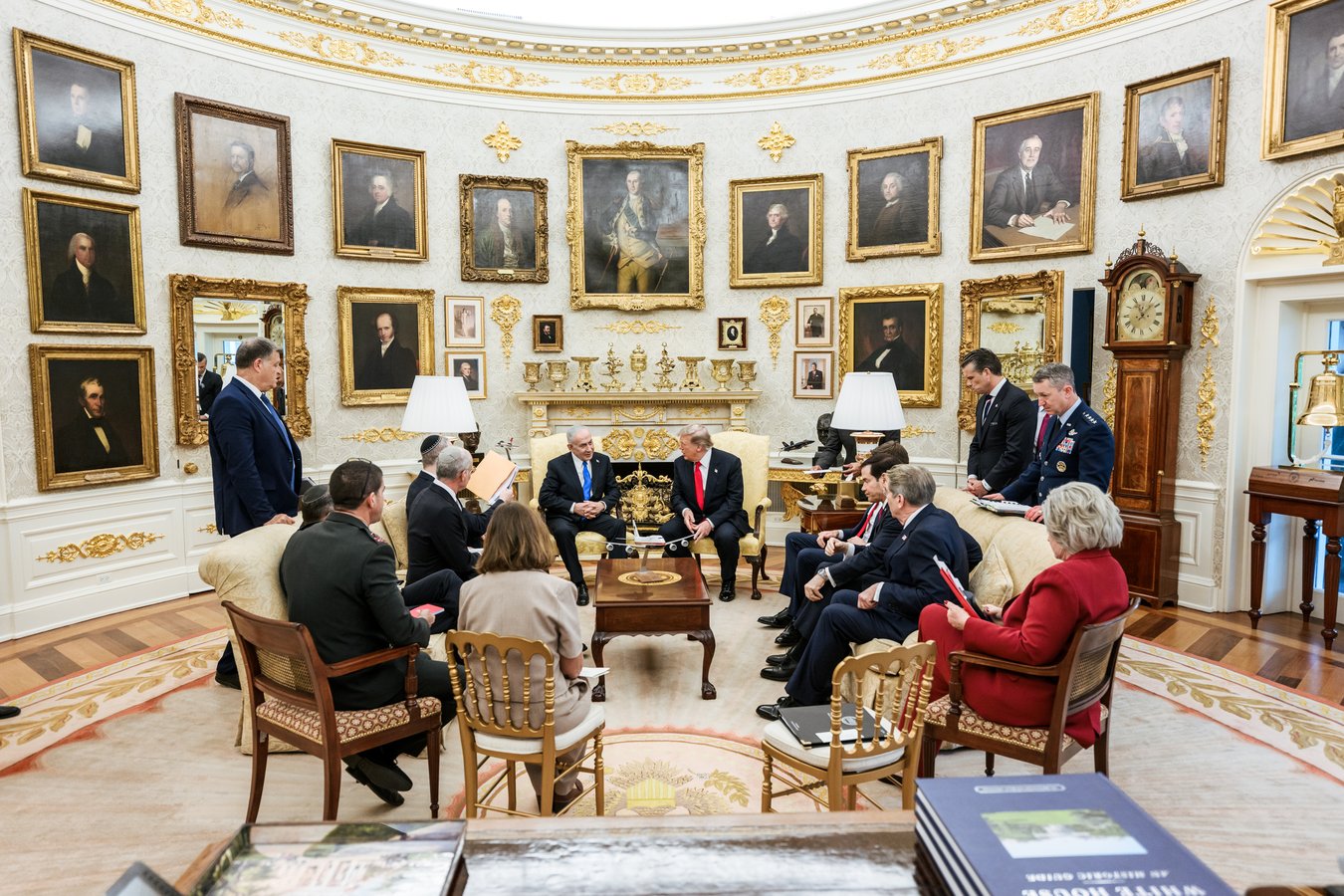

WASHINGTON — The relationship between Israeli Prime Minister Benjamin Netanyahu and President Donald Trump arrived at Tuesday’s White House meeting with a visible shift in its geometry, according to reports published Wednesday. Where Netanyahu had previously pressed Trump for specific US actions on Iran, he brought no demands to the table. He brought options instead.
Politico, citing officials briefed on the discussions, reported that Netanyahu’s approach represents a tacit acknowledgment of reduced leverage. Rather than advocating for particular decisions, he outlined in detail three possible paths to ending the conflict with Iran: a nuclear deal with Tehran, sustained economic pressure through sanctions and a naval blockade, or an intensified military campaign. He presented scenarios; he did not press Trump to choose one. The approach, Politico reported, was a considered one — an implicit admission that Netanyahu is now in a position where he must exercise caution in how he handles the American president.
The Wall Street Journal reported separately that Trump gave Netanyahu a noticeably diminished reception compared with earlier wartime meetings and that the Israeli prime minister’s influence over American decisions on Iran has been “significantly weakened” by the protracted conflict’s mounting economic and political costs. The Journal described the dynamic as a relationship in which the Israeli leader no longer sets the pace of US deliberations and can no longer assume that his read of the threat environment translates into American operational decisions.
The shift marks a departure from the early phase of the conflict, when Netanyahu was widely seen as one of the principal architects of Washington’s hard posture toward Tehran. Netanyahu arrived in Washington on Tuesday for his first White House meeting with Trump since the Iran war began, navigating disagreements over Iran’s nuclear sites, Turkey’s F-35 procurement, and Lebanon’s ceasefire framework. Both men described the relationship as one between “great friends” — language that papered over the friction the Journal and Politico both reported Wednesday.
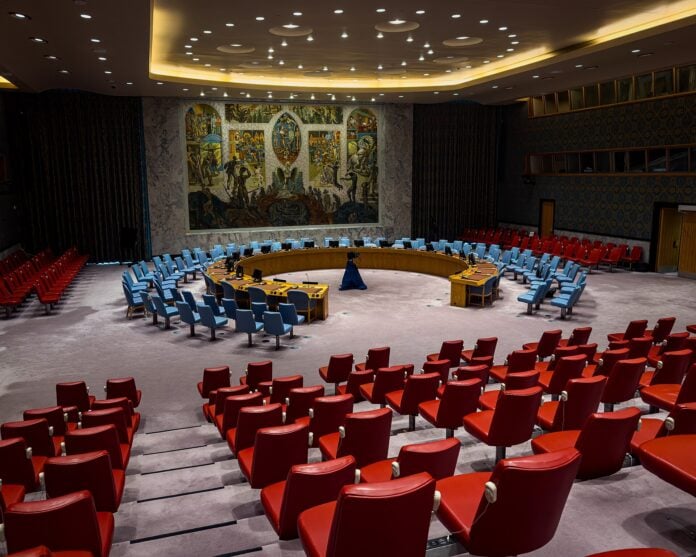
Netanyahu’s restraint on demands reflects a set of structural constraints that did not apply in the same way at the start of the conflict. Trump has shown resistance to further military escalation that could deepen oil market disruption ahead of November midterms, where the Iran war polls at roughly 69 percent disapproval nationally and has cost Republican incumbents measurable ground in competitive House districts. Netanyahu’s domestic political position has also grown more complicated as the conflict has lengthened, and the Israeli prime minister needs Washington’s diplomatic protection for international engagements that his ICC arrest warrant makes increasingly fraught. Netanyahu is planning a September visit to New York for the UN General Assembly despite the outstanding ICC warrant — a trip that requires American support he cannot afford to jeopardize.
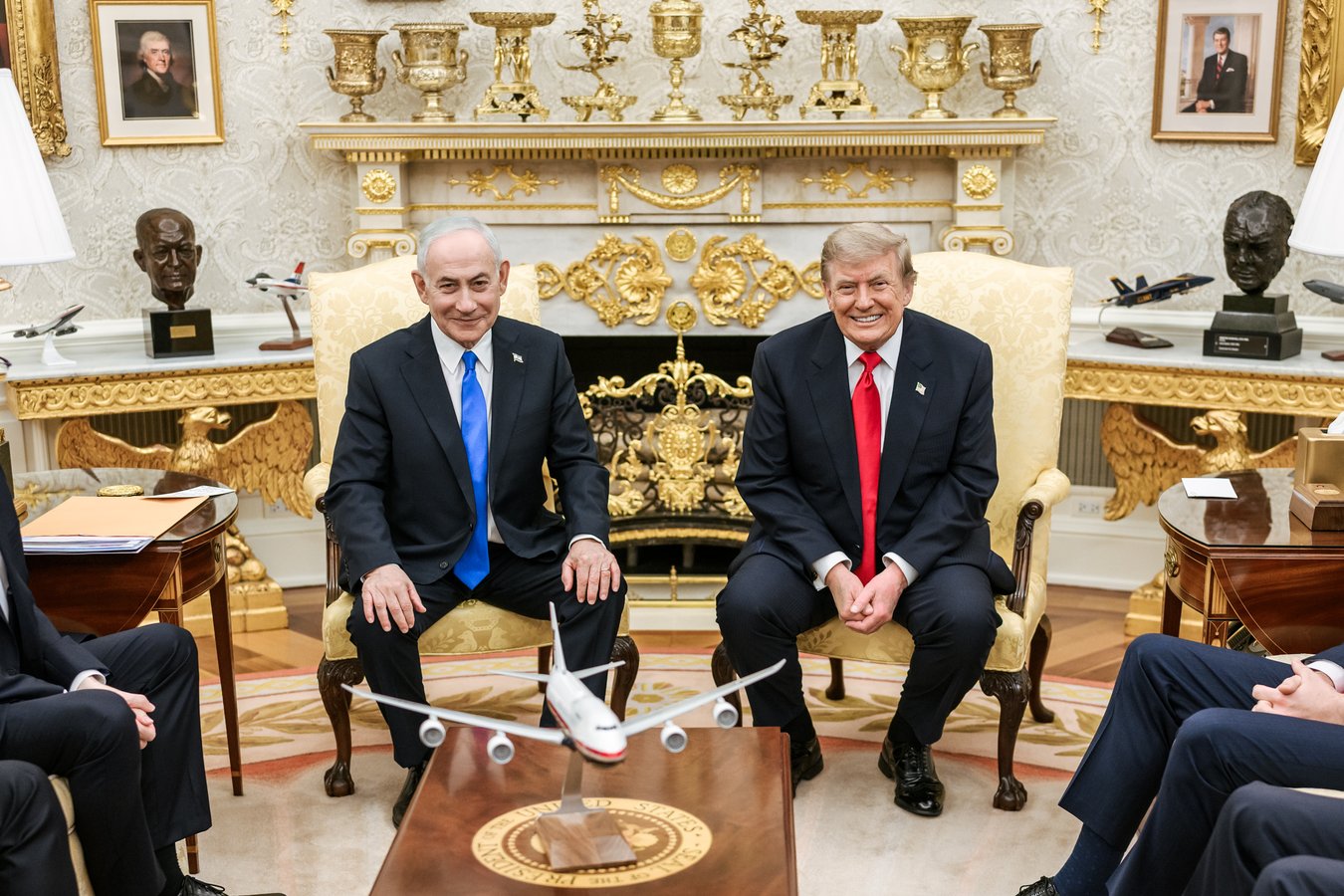
The three options Netanyahu laid out on Tuesday map onto the debate that has been under way inside the Trump administration for weeks without resolution. Iran has denied that any formal negotiations are under way, even as Trump has claimed active talks. The nuclear deal path faces Iranian resistance to the terms Washington would require. The sanctions-and-blockade path is the current default. The intensified military option is the one Trump’s Joint Chiefs have counseled against, citing the rate at which the campaign is consuming American munitions stocks.
Whether Netanyahu’s shift from demands to scenarios is received by Trump as a gesture of deference or as a confirmation that Israel can no longer drive the pace of American decisions on Iran is an open question — and the answer may depend less on what was said in Tuesday’s meeting than on how Trump reads the political calculus of the next move. The Wall Street Journal’s framing — “diminished welcome,” “significantly weakened influence” — suggests that the White House is already shaping the external narrative of the meeting in a direction that establishes Trump, not Netanyahu, as the one setting the terms.
Neither the White House nor Netanyahu’s office had issued statements in response to the Politico and Wall Street Journal reports as of Wednesday morning. No readout of Tuesday’s White House meeting has been released that would allow an independent assessment of what the two leaders agreed, what remained contested, or what Netanyahu returned to Jerusalem believing he had secured.