
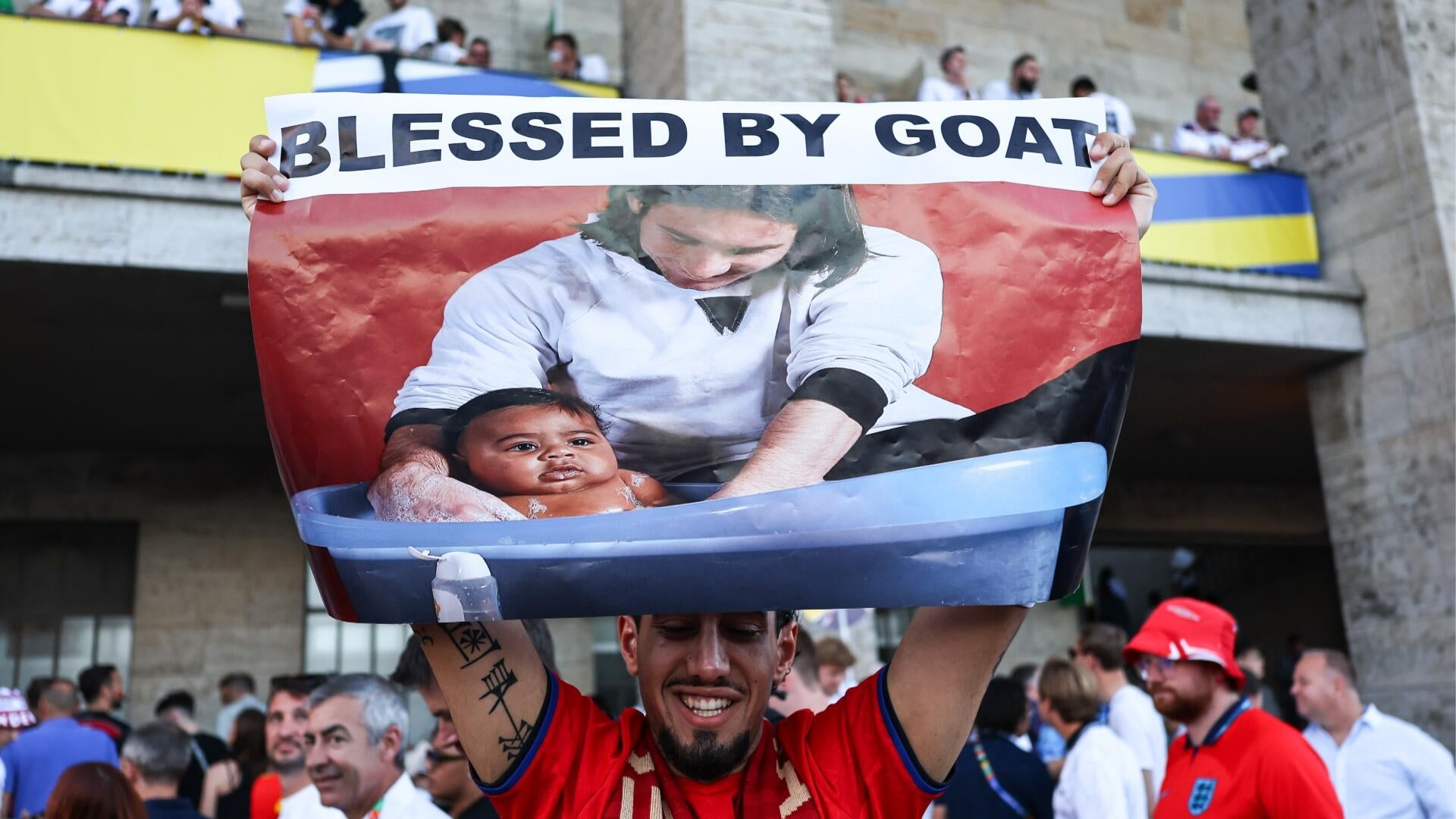
EAST RUTHERFORD, N.J. – In the fall of 2007, at a charitable photoshoot in a working-class neighborhood near Barcelona, a photographer from the Associated Press asked a shy young Argentine to hold a five-month-old baby. Joan Monfort would recall years later that the player did not quite know how to position his hands at first. Bit by bit, it happened. The photograph became a calendar. The baby’s father kept it.
The Argentine was Lionel Messi, then 20 years old and still becoming something. The baby was Lamine Yamal.
Nineteen years on, Yamal returned that moment with a left foot and a decisive pass in the 106th minute of extra time, setting up Ferran Torres to score the only goal as Spain defeated Argentina 1-0 in the 2026 FIFA World Cup final at MetLife Stadium. Spain’s second World Cup title, their first since South Africa in 2010, ends Messi’s final World Cup without the trophy he came 6,000 miles to defend. It confirms Yamal, still 19, as the player who completed what Messi could not.
The match arrived at its decisive moment not through sustained dominance but through a single combination that looked inevitable only afterward. Yamal received on the left wing deep in extra time and drew two Argentine defenders toward him. Torres arrived from the right with nothing between him and the goalkeeper. The cross came cleanly. The finish was low, near post, calm. For 105 minutes the scoreboard had read 0-0. The next time it changed, the tournament was over.
Spain had entered the final having conceded a single goal across their seven previous matches, a defensive record that describes the architecture Luis de la Fuente constructed around Rodri in the middle and two high-pressing fullbacks pushing wide enough to give Yamal and Nico Williams the room to work. France found in the semifinal what that structure could do, falling 2-0 in Philadelphia. Argentina found it across 90 minutes in New Jersey, still level through regulation only because their own defensive quality had matched Spain’s, and because Yamal had not yet found the angle that would undo them.
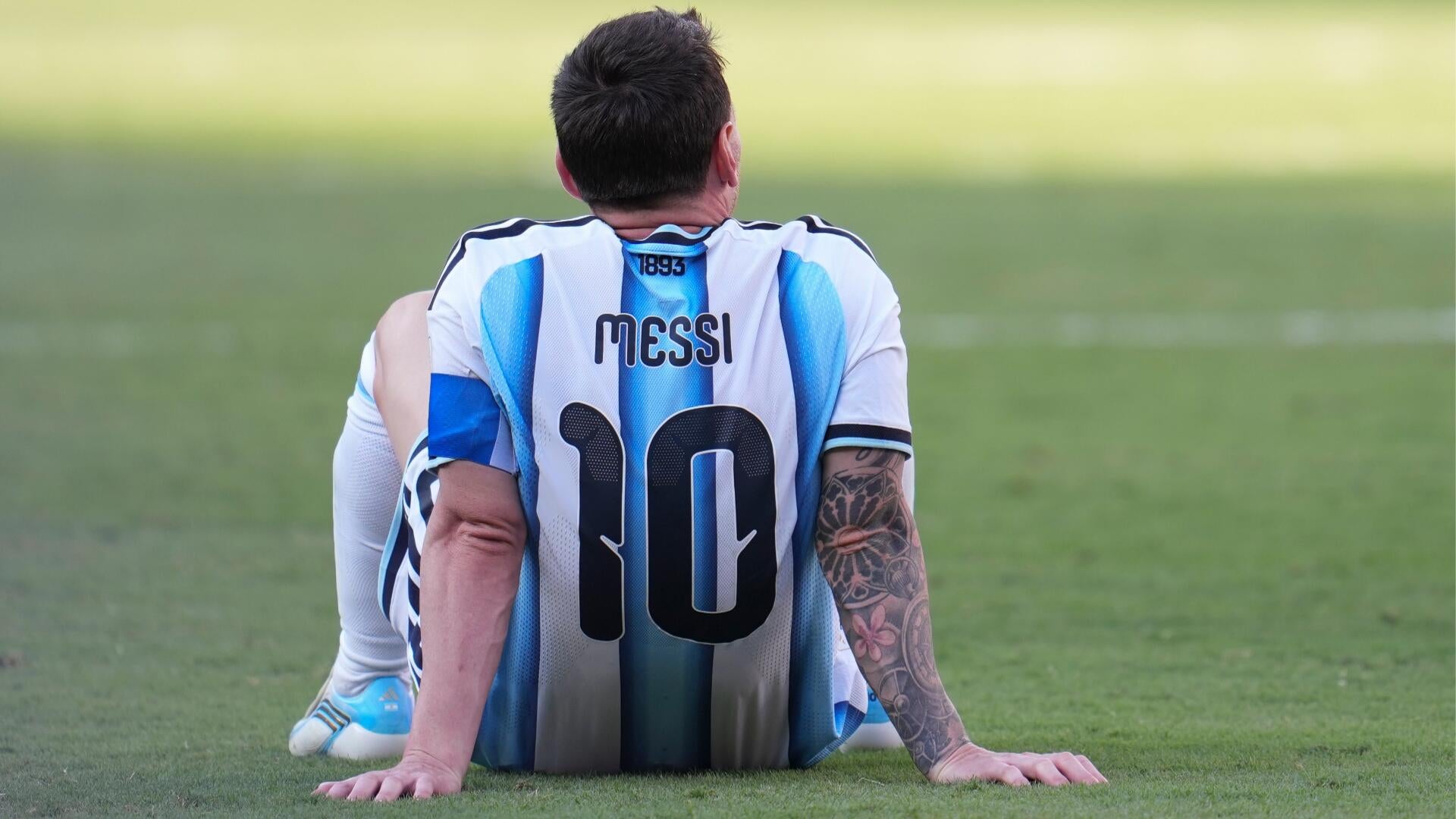
Messi made it to extra time. That was not nothing. Less reassuring was what he found when he got there. He spent the second half dropping progressively deeper in search of the ball, finding it less with each passing minute, fouled repeatedly by Spanish defenders who understood that physical disruption was the safest available answer to what he might create with possession. Of the 22 starters, only Julian Alvarez had fewer touches by the final whistle. Messi’s attempt to intercept the cross before Torres reached it arrived a half-step late. That half-step, in the context of his career, had a finality to it.
The final did not represent what Messi had been across the previous six weeks. Against Algeria in the group stage, he scored a hat trick on June 18, the only one of his World Cup career. He provided both assists in Argentina’s semifinal win over England. He finished the tournament with eight goals, second only to France’s Kylian Mbappé across the entire field. He also became the first player in history to start three World Cup finals. CBS Sports noted that even in defeat, his standing as a global sports icon remained intact. Whether Messi himself would frame it that way is unknown.
What Yamal delivered on Sunday was the kind of contribution that does not register in the goal column but drives every outcome around it. He took more shots, completed more dribbles, and won more duels than any other player in the final, NBC Sports reported. He is the first teenager in history to win both the European Championship and the World Cup. Before the match, Messi had said of the young Spaniard: “Lamine is an amazing player. He is one of the world’s leading stars, at 19 years old and has his whole career ahead of him.” He was correct in every clause of that sentence. He was also unable to stop the player it described.
De la Fuente described Yamal’s World Cup in the restrained language Spanish football managers typically reserve for their best players. “He’s really sacrificed for the collective good,” the manager said. “He played a great World Cup.” Pedro Porro, whose overlapping run created the space that Torres converted, said playing alongside Yamal was “incredible.” The simplicity of that assessment said something about the scale of what it was attempting to contain.
The night did not end cleanly. Within minutes of the final whistle, a confrontation developed on the MetLife pitch. FIFA opened formal assault proceedings against three Argentina players, including Leandro Paredes, in the days that followed, and charged the Argentine federation separately over a Falkland Islands banner displayed on the pitch after Spain’s victory. The brawl and the banner described the emotional temperature inside an Argentina squad that had come to New Jersey believing it might become the first side since Brazil in 1958 and 1962 to win consecutive World Cups. The scoreboard did not change because of any of it.
Whether Messi plays on in international football is not something he has answered publicly. He is 39. He completed a tournament in which, for the first six weeks, he looked like a man who had not finished yet. The final showed the limit of what he can still manufacture against a defense that offered him nothing for 106 minutes. What Argentina does with that information is its own problem. What Messi does with the remaining chapter of his career is his.
The photograph from 2007 exists in many places now. In it, Messi holds an infant and smiles with the slight uncertainty of someone not quite sure where to put his hands. Yamal’s father wrote beneath it, years later: “The beginning of two legends.” Sunday produced one World Cup trophy. The second legend will need to find his own occasion for the other.
Related Posts