
NEW DELHI — The tankers arrive at the Vadinar refinery’s jetty in Gujarat every few days now, a steady procession of Russian crude that has made Rosneft’s Indian joint venture the single most important energy node in Asia’s third-largest economy. In July 2026, India imported more Russian oil than it ever has — and the number tells only half the story.
The other half is arriving on liquefied natural gas terminals, or rather, it is not. As the Iran war has choked throughput in the Strait of Hormuz to a fraction of pre-conflict levels, spot LNG prices for Asia have climbed to what government officials and industry executives are privately calling the most expensive supply conditions in years. The two crises are not separate events for India’s energy planners; they are two levers pulling in opposite directions on the same balance sheet.
India imported a record volume of Russian crude in July, with flows through the Vadinar terminal operated by Nayara Energy — 49.13 percent owned by Rosneft — running at sustained capacity. The discount that Russian barrels carried relative to Brent benchmarks has narrowed since the early months of the Iran conflict, as Asian buyers competed aggressively for sanctioned and semi-sanctioned supply. But even at the compressed discount, the economics have suited India’s refiners better than replacing Hormuz-disrupted Persian Gulf volumes at spot prices.
The Hormuz dimension is worse. The strait, through which roughly 82 percent of the world’s seaborne oil and liquefied natural gas flows to Asia, has seen operating disruptions since Iranian naval assets began enforcing a wartime inspection regime in June. Tanker transit times through the northern Gulf have stretched. Insurance premiums on Gulf-flagged and Gulf-routed vessels have reached levels not seen since the tanker wars of the 1980s. And the LNG price consequences have arrived faster than the crude consequences, because LNG contracts are more spot-linked than long-term crude deals.
GAIL India, the country’s dominant natural gas distributor, and Petronet LNG, which operates India’s two largest import terminals at Dahej and Kochi, have both seen spot procurement costs surge. Neither company has issued forward guidance on when it expects prices to normalise — a silence that reflects genuine uncertainty about Hormuz’s operational calendar, not a failure of disclosure. The Ministry of Petroleum and Natural Gas has declined to comment publicly on contingency arrangements.
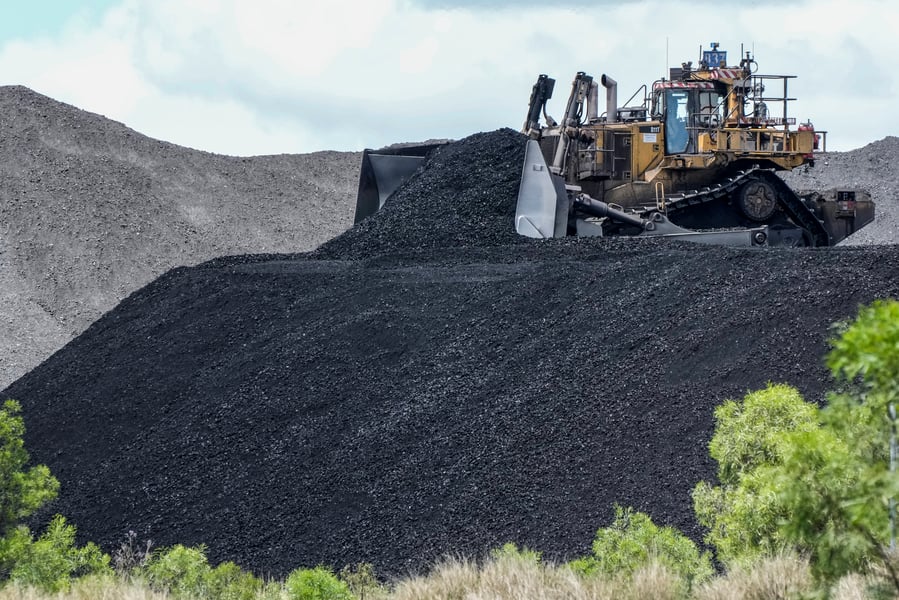
India’s response has been partly supply substitution, partly fuel-switching. Coal consumption at power stations has risen sharply as utilities have chosen not to burn expensive imported gas when domestic coal and Russian-origin coal remain relatively affordable. The pivot back to coal carries an environmental cost that India’s government has chosen not to highlight publicly, even as it presents at international climate forums.
The routing problem is compounding the pricing problem. India’s LNG cargoes that might ordinarily have come through the Gulf via short-haul contracts from Qatar, which supplies roughly a third of Petronet’s Dahej terminal’s throughput, must now either wait for Hormuz transit windows or take extended re-routing paths around the Arabian Peninsula. At the same time, the Houthi attacks on commercial shipping in the Red Sea have added a second active chokepoint to an already constrained logistics map, squeezing delivery windows for India’s east coast LNG terminals.
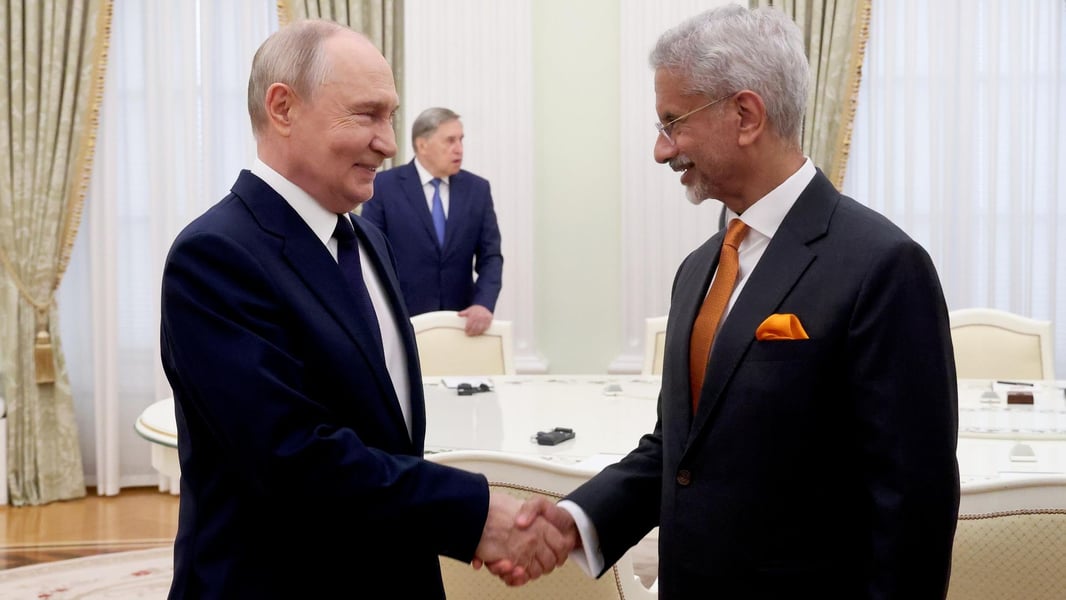
The record Russian crude number obscures a structural tension within India’s energy trade. India’s relationship with Russian oil has been described in official settings as a pragmatic response to market conditions, not a strategic alignment — a distinction that carries weight in conversations with Washington and Brussels, where secondary-sanctions pressure on Indian refiners remains a periodic topic of discussion. The July import record will test that framing.
What analysts are watching is whether India will use the LNG price crisis to accelerate long-term supply agreements that reduce spot exposure. Petronet’s contract with Qatar’s QatarEnergy runs through 2028, and the pricing formula embedded in that contract provides some buffer against spot volatility. But buffer and insulation are different things, and India’s spot LNG exposure has grown as the country added generation capacity and industrial consumers over the past five years.
There is at least one scenario in which the Hormuz disruption resolves faster than the market expects — a diplomatic settlement or a de-escalation agreement — but energy traders who track the region say that scenario cannot currently be priced in with any confidence. The more cautious view, shared by executives at multiple Indian energy companies who declined to be named because of the sensitivity of the subject, is that India should assume elevated LNG costs through at least the first half of 2027.
For now, the record Russian crude imports are India’s most visible adaptation to a reshaped global energy map. Whether that adaptation becomes a permanent feature of India’s supply architecture — rather than a wartime expedient — is a question that neither the Ministry of Petroleum nor Rosneft has publicly answered.