
NEW DELHI — The reserve room matters most when the storm is arriving rather than after it passes. For the week ending August 22, the Reserve Bank of India reported that India’s foreign exchange reserves crossed $728 billion for the first time — a record that arrives as the United States’ Operation Economic Outcast sanctions campaign against Iran threatens to reroute the energy trade that India depends on for a significant share of its crude oil supply.
The figure marks an increase of approximately $3.2 billion from the previous week’s tally and places India among the top four countries globally by foreign reserves. For the Reserve Bank, the accumulation represents years of systematic intervention in currency markets — buying dollars when they flood in to prevent the rupee from appreciating too sharply — and building a buffer designed precisely for moments like the current one.
The connection to the West Asian crisis is not incidental. Three weeks into the most aggressive American economic pressure campaign against Iran since the second wave of Trump-era sanctions in 2018, oil markets have repriced. Crude has not collapsed — it has climbed. With the Strait of Hormuz effectively closed to all but a trickle of commercial traffic, the supply disruption premium embedded in Brent crude has been climbing steadily, and the rupee’s capacity to absorb a sustained oil shock without emergency monetary intervention rests significantly on the depth of the reserves the RBI announced Tuesday.
India is running on a dual track as the crisis deepens. On one side, it is quietly accelerating imports of liquefied petroleum gas and liquefied natural gas from the United States — a pivot that reduces exposure to West Asian supply chains and simultaneously satisfies Washington’s preference for trading partners that do not become too dependent on Iranian energy. On the other side, New Delhi has been careful not to make any statement endorsing the Iran sanctions designations, which Treasury Secretary Scott Bessent described Monday as an “economic onslaught against Iran’s financial connections around the globe.”
That careful positioning — which looks a great deal like what Qatar attempted with far less cushion — is what makes the $728 billion reserve figure significant beyond the headline number. Forex reserves are political capital in a currency world. A country with this depth of reserves can let markets absorb a shock rather than immediately raising interest rates or imposing capital controls. It buys the time to make deliberate choices rather than reactive ones.
India imported roughly 1.75 million barrels of Iranian crude per day at the peak of the relationship before the 2018 sanctions round. That figure fell dramatically when the Trump administration ended waivers and has since partially recovered through informal channels. Whether those channels survive a sanctions architecture as comprehensive as OEO — which extends secondary penalties to any entity in any country that maintains financial exposure to the designated parties — is a question the Indian government has not answered publicly.
The RBI data does not itemize what pressure the past three weeks have generated on the current account as oil costs climbed. The weekly figure shows accumulation rather than drawdown, which suggests the central bank has continued purchasing foreign currency rather than selling it to defend the rupee — a positive signal, but not a guarantee that the situation does not reverse if oil prices climb substantially further.
What India has that most other large emerging economies dealing with OEO fallout do not is margin. The $728 billion buffer represents roughly fifteen months of import cover at current import volumes — well above the three-month minimum standard the International Monetary Fund uses as a floor for reserve adequacy. It means the RBI can absorb rupee depreciation pressure without forcing a painful correction in credit conditions, and it means the government can negotiate any eventual adjustment to its energy trade patterns from a position of strength rather than necessity.
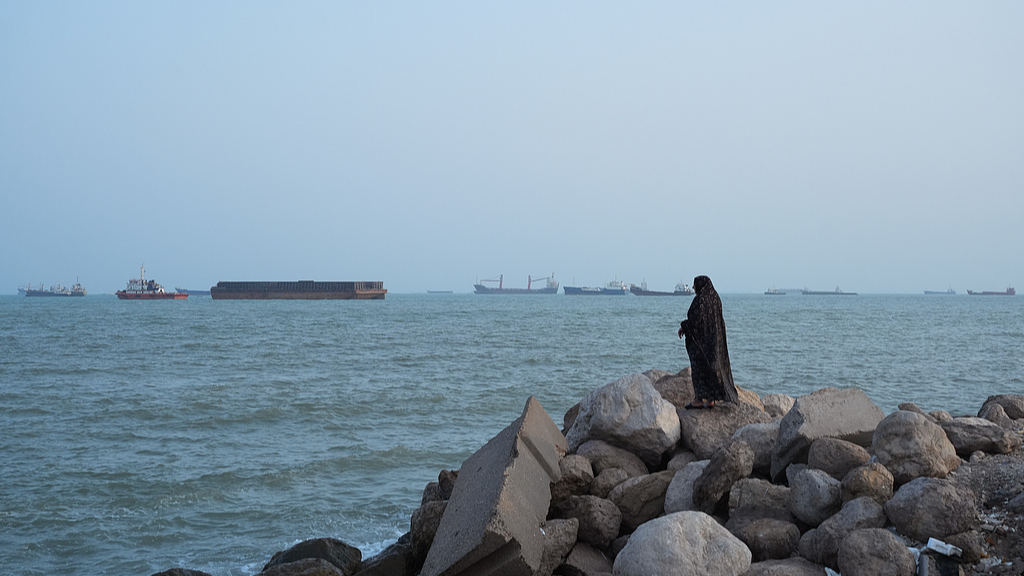
The Strait of Hormuz question, which is ultimately what makes this particular reserve reading geopolitically relevant, has not resolved. As of Monday, only one commercial vessel transited the waterway — the lowest traffic level since May 7, according to CGTN. India has been among the countries pushing informally for a reopening, without making the case publicly in terms that would align it with either Washington’s campaign or Tehran’s refusal to negotiate under what Iran’s economy minister called an “economic terrorist attack.”
In the weeks since the United States escalated military pressure in the Gulf and markets began pricing in conflict risk, the rupee has been under modest but sustained pressure. The RBI’s response has been to intervene selectively — selling dollars when pressure spiked, buying when inflows allowed. The record stands despite those headwinds, suggesting the underlying current account picture has been better than headline risk implied.
China, which faces similar pressures from OEO’s secondary sanctions architecture and has announced its own opposition to what Beijing called “illegal unilateral sanctions,” holds considerably larger reserves but has also made considerably louder commitments to economic ties with Iran. For India, the posture has been more discreet. And in the current environment, discretion has a measurable cost: neither side knows exactly where New Delhi will land when the choice becomes explicit.
India’s foreign ministry has not commented publicly on the OEO designations. The Reserve Bank’s weekly data, published at its normal schedule, carried no accompanying statement about the geopolitical environment — a silence that accurately captures the government’s posture as a whole. How long that silence is sustainable, and whether the $728 billion buffer gives India the room to maintain it, is the question this record figure raises without answering.