
LONDON — The argument for silver looked good at 7:57 in the morning in New York.
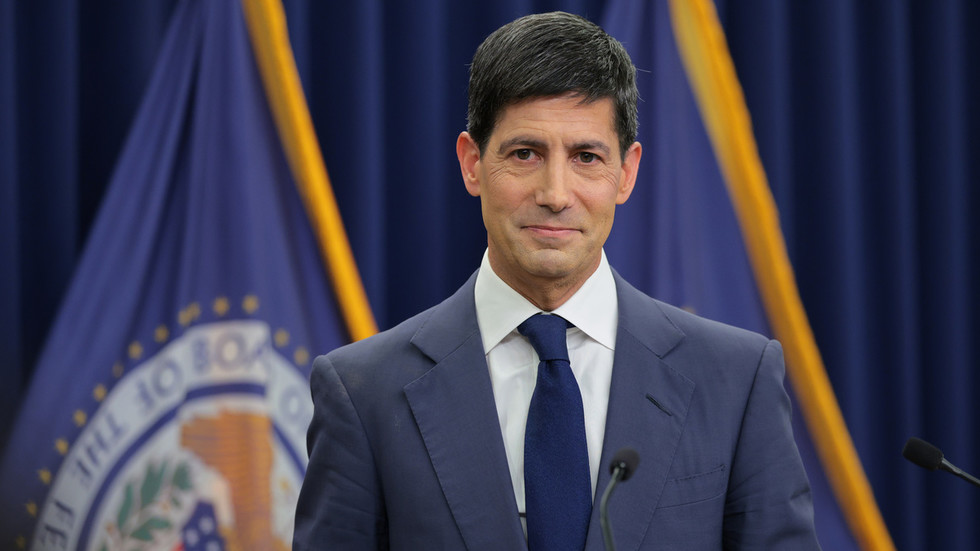
By afternoon, Kevin Warsh had made a different argument, and silver had lost $4.37 an ounce in a single session.
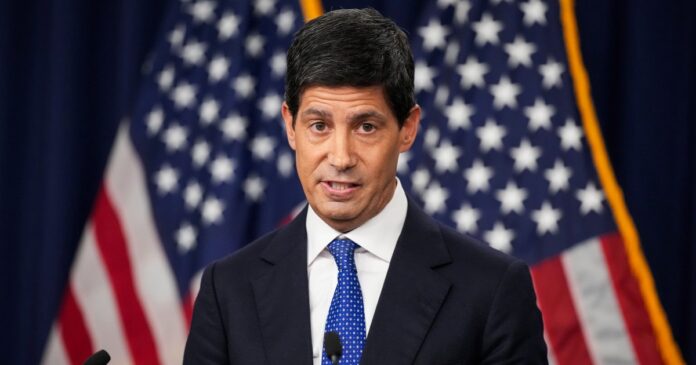
Silver (XAGUSD) climbed to $71.12 on Friday, August 28, a fresh two-month high built on investor positioning ahead of the Federal Reserve chair’s address at the Jackson Hole Economic Symposium in Wyoming. Then Warsh spoke. The metal closed at $66.76, down 3.60% on the session, as traders across the board unwound precious metals positions in response to a hawkish tone that lifted Treasury yields and strengthened the dollar.
The repricing followed a clear mechanical logic. Silver is priced in dollars and generates no yield, which means it competes directly with interest-bearing assets for capital. When the Fed signals that rates may rise, the calculus shifts against the metal. Warsh told attendees at the annual Kansas City Fed symposium that inflation had cooled “a bit” but that underlying trends had not “meaningfully improved,” language that options traders read as the door left open for a September rate hike. By midday Friday, the CME FedWatch tool showed 57% of futures traders pricing in a 25-basis-point increase at the September 15-16 FOMC meeting, up from roughly one-third before the speech, according to the full text published by the Federal Reserve. The two-year Treasury yield rose eight basis points to 4.30%; the 10-year rose four to 4.72%.
Silver September futures had opened the session at $69.35, reflecting a week of cautious accumulation on the assumption that Warsh would strike a neutral or dovish tone. That assumption turned out to be wrong. The week’s earlier gains, which had been carrying silver toward two-month highs since Tuesday, were built on a structural thesis that has driven the metal higher over the past two years. What Friday exposed was how quickly that thesis can be overridden when the cost of dollar liquidity changes in real time.
The underlying supply picture, however, has not changed. The silver market has run a structural supply deficit for six consecutive years. Total mine output has held roughly flat at approximately one billion troy ounces annually since 2010, while demand from industrial applications has grown steadily across solar panels, electric vehicles, advanced electronics, and data-centre interconnects. Seeking Alpha estimated that the United States and China alone consumed roughly 350 million ounces of silver through data-centre and electronics applications in 2025, representing more than half of global mine supply. Above-ground silver stocks, which act as a buffer between production and consumption, have been declining at a rate that analysts describe as structurally significant.
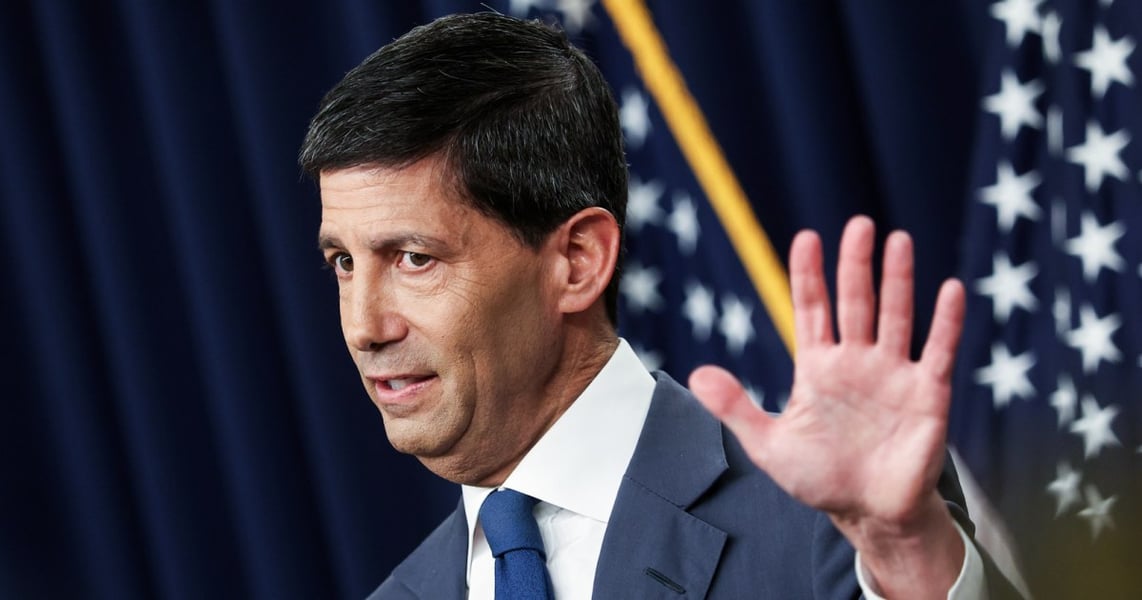
None of that changed on Friday. What changed was the discount rate applied to every asset that does not pay interest. A stronger dollar also raised the effective cost of silver for non-dollar buyers, suppressing demand at the margin. Friday’s move was not a reassessment of silver’s industrial demand story. It was a repricing of silver’s monetary sensitivity, and those two things move on different timetables.
On a year-over-year basis, silver remains more than $29 higher than at this point in 2025, a measure of how substantially the supply-deficit narrative has shifted institutional positioning over the past twelve months. Silver’s nominal all-time high, set on January 29, 2026, was $121.67 per troy ounce. From that figure to Friday’s $66.76 close is a drawdown of roughly 45 percent, which is where much of the analysis this weekend begins and ends. What it misses is that the structural deficit that helped push silver to that high still exists.
The broader market context on Friday reinforced the directional signal. As the S&P 500 recorded its first post-Jackson Hole decline, rate-sensitive assets underperformed in a consistent pattern. Utilities, real-estate investment trusts, and precious metals all traded lower as the same rate-hike signal propagated through asset classes. Bitcoin also softened in the session, as institutional allocators who treat crypto ETFs as a risk-on position pulled back alongside equities.
| Metric | Value |
|---|---|
| Spot close (Aug 28) | $66.76/oz |
| Intraday high (Aug 28) | $71.12/oz |
| Per gram (USD) | ~$2.15 |
| India per gram | ₹255 |
| India per kg | ₹2,55,000 |
| YoY change vs Aug 2025 | +$29 |
| All-time high | $121.67 (Jan 29, 2026) |
For buyers in India, the week’s international volatility has translated into a domestic price of ₹255 per gram and ₹2,55,000 per kilogram, as of Sunday, August 30. India is among the world’s largest consumers of silver across jewellery, industrial, and investment applications; domestic prices reflect both the international spot rate and import costs that shift with government policy. The weekend price holds Friday’s close as the reference point, with Monday’s trading the first opportunity for Asian markets to respond to the full text of Warsh’s remarks and any additional FOMC commentary over the weekend.
What remains genuinely uncertain is whether Warsh’s remarks represent a settled consensus at the Fed or a conditional posture. The Jackson Hole address was notable for what it withheld: no forward guidance, no specific inflation threshold for triggering a hike, and no rate-path timeline. Warsh’s words, read in full on the Federal Reserve’s website, are better understood as a statement of vigilance than a commitment to tighten. Whether September 15-16 actually brings a rate increase will depend in significant part on the PCE price index, the Fed’s preferred inflation gauge, due later this week. A print that surprises to the upside would substantially validate Friday’s selloff in silver. A cooler reading would complicate the case for further tightening before the FOMC even assembles.
Silver closed Friday at $66.76. The structural deficit has not closed. For now, markets have decided the rate trajectory matters more.