
NEW DELHI — India’s equity markets fell for a third consecutive session on Tuesday as Brent crude holding at $92.63 a barrel amplified fears that surging oil import costs would stall the Reserve Bank of India’s rate-cutting cycle just as a stronger-than-expected GDP reading gave the economy its best headline in three quarters.
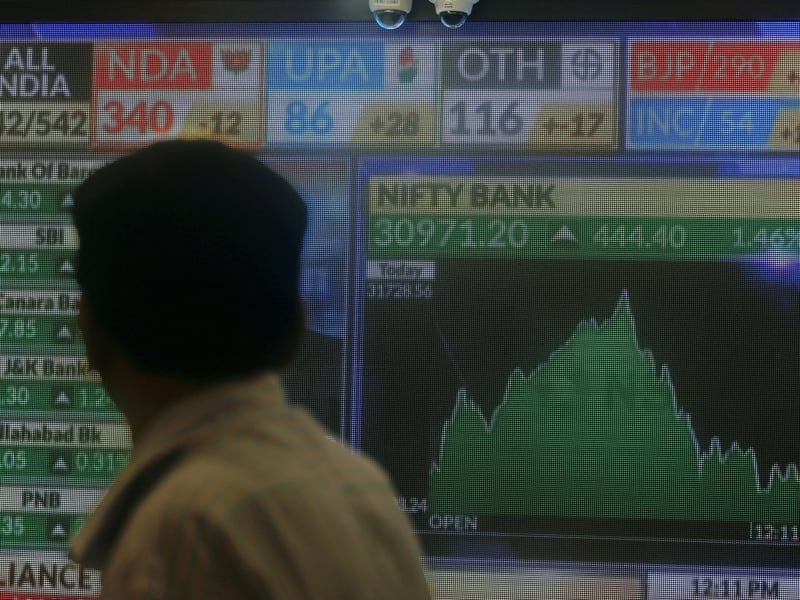
The Sensex closed lower after opening more than 500 points below the previous session’s level, with GIFT Nifty futures signalling a loss of at least 55 points at the open before trading deepened those declines through the day. By settlement, Nifty had breached the 23,900 threshold — territory last tested in late June — as sell orders concentrated in aviation, banking, and automobile counters. The prior session on September 1 had left the Sensex at 76,944.28 and the Nifty at 24,055.80, themselves down from the August 31 close of 76,887.55 and 24,029.45 respectively — a sequence of overlapping losses that reflects how thoroughly geopolitical risk has displaced growth optimism in the current trading week.
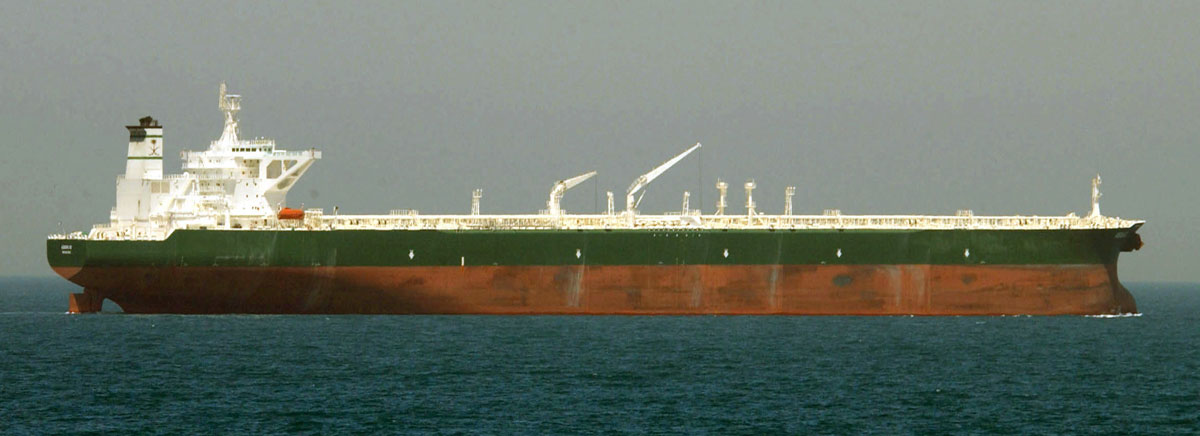
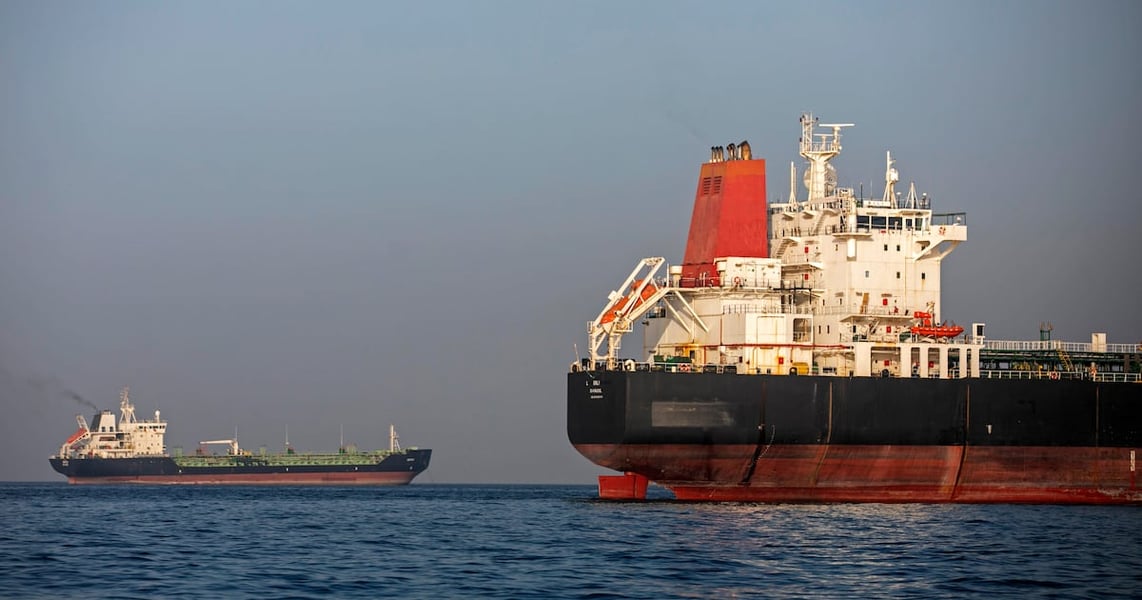
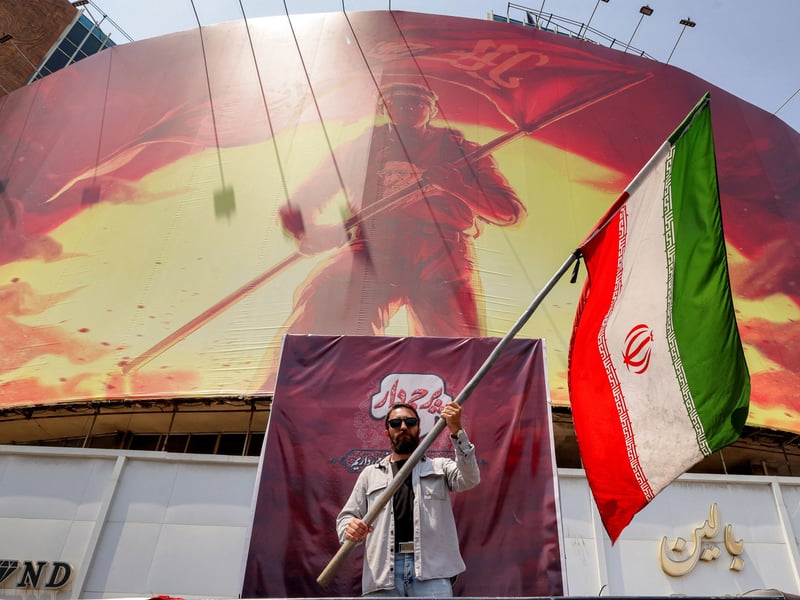
The oil story driving Tuesday’s declines is inseparable from the Iran war. Brent crude settled at $92.63 on September 2, a level driven by the tanker strikes in the Strait of Hormuz and the subsequent threat from the Trump administration to strike Kharg Island’s oil terminals — Iran’s largest crude export hub, accounting for roughly 90 per cent of the country’s petroleum shipments. The Eastern Herald reported Tuesday that Brent’s $92.63 settlement reflected the market’s growing assessment that supply disruption, not merely supply uncertainty, is now the baseline scenario.
For India, which imports more than 85 per cent of the crude it consumes, the arithmetic is unforgiving. Every $10 increase in Brent crude adds approximately $15 billion to the country’s annual import bill, widens the current account deficit by roughly 40 basis points of GDP, and pushes petrol and diesel pump prices higher in ways that feed directly into retail inflation. With headline CPI already hovering near the upper end of the RBI’s 2–6 per cent tolerance band, the oil move at $92.63 has essentially written the script for the central bank’s September 11 Monetary Policy Committee meeting: no rate cut, and possibly a hawkish hold that walks back the market’s earlier expectations of a 25-basis-point reduction by year-end.
Aviation stocks bore the brunt of that repricing on Tuesday. IndiGo, SpiceJet, and Air India parent InterGlobe Aviation each closed sharply lower as analysts trimmed earnings forecasts to account for higher aviation turbine fuel costs. In the banking sector, lenders with significant corporate loan books to oil marketing companies — Indian Oil, BPCL, HPCL — faced selling pressure as investors worried that underrecoveries, the shortfall between the cost of producing petrol and what the government allows refiners to charge, could return if crude remains elevated. Auto stocks extended their three-day slide on concerns that higher petrol prices would pressure consumer demand for passenger vehicles in an industry already navigating a post-festive-season inventory correction.
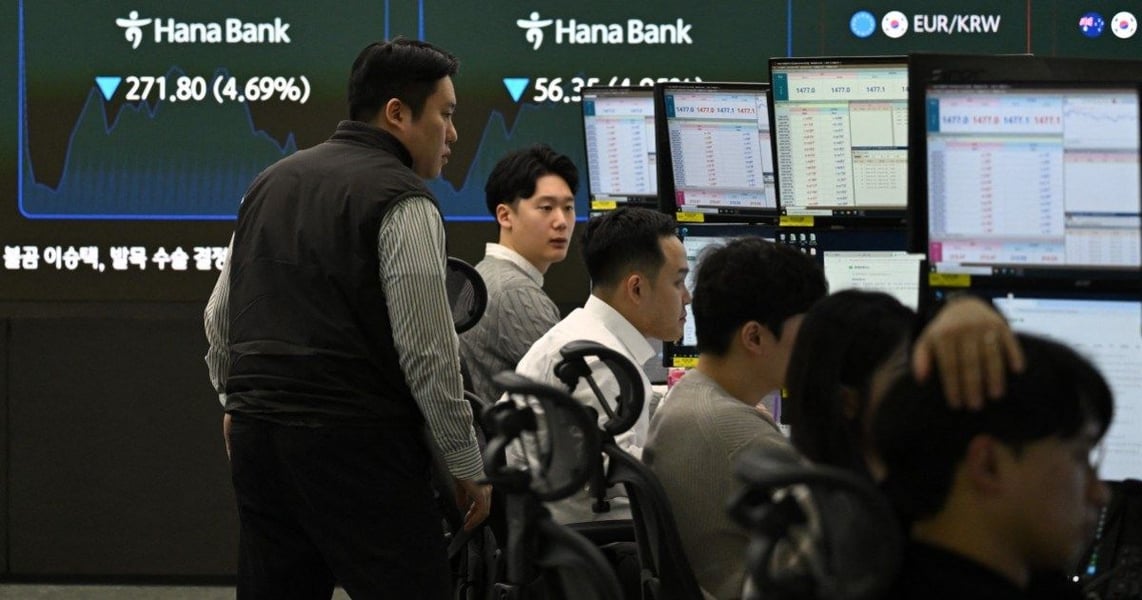
Foreign portfolio investors extended their September selling. Net outflows on September 1 — the most recent data available — reached ₹1,143.38 crore, a figure that tracks the broader emerging-market risk-off pattern triggered by the Hormuz crisis and higher US Treasury yields. Domestic institutional investors continued to provide a partial buffer, buying ₹1,846.94 crore in the same session, though sustained FPI selling pressure has begun to weigh on market depth in mid-cap and small-cap names.
The macro backdrop is contradictory, and that contradiction is what makes the September 11 MPC meeting so consequential. India’s GDP grew at 7.8 per cent in the first quarter of FY27, the Central Statistics Office reported on August 31 — well ahead of the RBI’s own 7 per cent projection for the quarter and the fastest pace in three quarters. That growth reading, on any other week, would have supported equity valuations and allowed the central bank to hold rates with confidence. Instead, the Hormuz shock has made the data nearly irrelevant: a growing economy importing crude at $92.63 a barrel while inflation risks rise is not an economy the RBI can afford to ease into.
The Eastern Herald reported Monday that the Hormuz tanker strikes pushed global bond yields higher and raised the odds of a US Federal Reserve rate hike to 68 per cent, a development that compounds India’s challenge. Higher US rates narrow the interest rate differential that makes Indian fixed income attractive to foreign investors, adding a second channel through which the Iran war is draining capital from emerging markets.
What Tuesday’s session did not settle is how long crude stays above $90. The Kharg Island threat is the key variable. If the Trump administration follows through — or if Iran responds to the naval pressure by interdicting Hormuz more aggressively — $100-a-barrel oil moves from tail risk to a planning scenario. At that level, ONGC and Oil India’s gains would accelerate but would be overwhelmed by the broader damage to inflation, consumption, and the fiscal deficit. If the threat dissipates without action, as some analysts in Mumbai’s brokerage houses privately expect, Brent would retrace toward $80 and the rate-cut thesis would revive. Neither outcome is visible yet. The RBI has nine days to decide which scenario to plan around.
Related Posts