

ANAHEIM – When Pat Verbeek matched the Philadelphia Flyers’ offer sheet for Leo Carlsson in the spring, he handed Cutter Gauthier an argument the Ducks have been unable to answer since.
Gauthier absorbed it.
The 22-year-old winger who led Anaheim with 41 goals and 69 points through 76 games last season is sitting out training camp with no contract signed, a negotiation going nowhere, and a case built on numbers the Ducks established for themselves. Carlsson is earning $18 million per year. Gauthier produced more points. Anaheim’s opening offer was roughly $13 million over four years.
The gap between those figures is where the 2026-27 season is currently being decided.
Gauthier’s agent Kurt Overhart rejected the Ducks’ offer in early summer, according to Yahoo Sports. The Ducks are operating with approximately $9 million in available cap space, far short of the room required to close the difference between what they’ve offered and what Gauthier’s camp is believed to want: something north of $15 million annually.
The Carlsson decision didn’t just move the market for young Anaheim forwards. It gave Gauthier’s representatives a number the franchise itself endorsed. Verbeek matched $18 million in the spring because losing Carlsson was worse than the cap commitment. The decision made sense at the time. What it did not account for was that the player in the next negotiation would use the same logic.
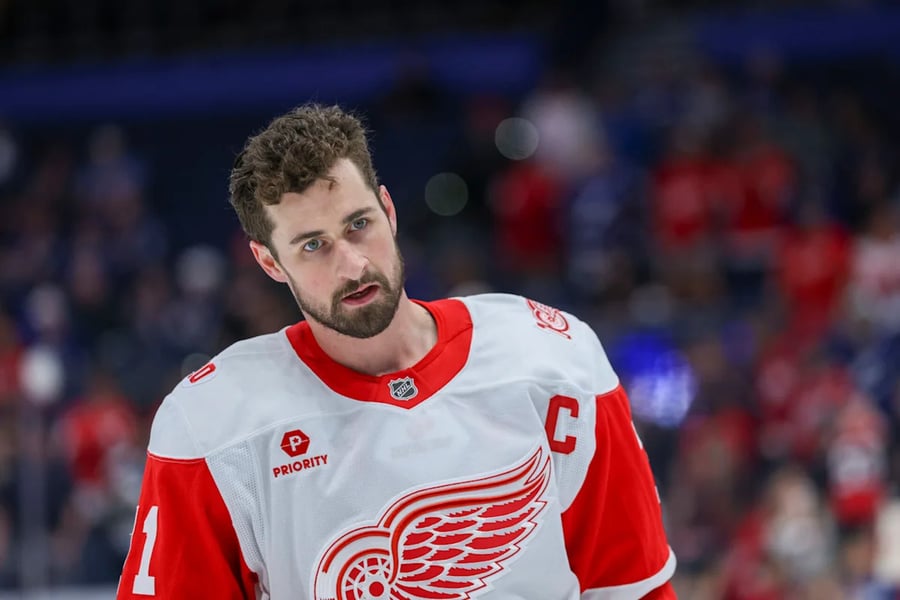
That argument is difficult to dismiss in a league where second contracts have become more contested than at any point in the salary-cap era. Gauthier wasn’t simply productive last season; he led the franchise in goals and points while contributing 12 points across 12 playoff games for a team that hadn’t sustained postseason competition in years. The player who did that is being offered 27 percent less than the player one seat over in the locker room.
The calendar now runs on two hard stops. September 16 is the CBA boundary after which the maximum deal length shortens, eliminating the possibility of an eight-year contract and narrowing Gauthier’s ability to leverage long-term value. December 1 is the definitive cutoff: remain unsigned past that date and Gauthier is ineligible for the entire season. Neither outcome helps the Ducks.
Steve Peters, a former NHL video coach who covers roster decisions for Daily Faceoff, did not hedge when asked about training camp. “No, he’s not on the ice,” Peters said. “This will be the first holdout in camp that we’ve seen in a while. I think he’s digging his heels in.” Peters made that assessment before camp opened. Nothing since has contradicted it.
A holdout that runs through the first days of camp is manageable. One that extends into October creates lineup problems the Ducks cannot easily absorb. Gauthier’s absence from a roster with no clear replacement at his scoring volume isn’t a depth issue; it’s a top-line problem that compounds with every game the calendar burns.
How Anaheim generates cap space is the problem that remains publicly unaddressed. Alex Killorn carries $6.25 million against the cap. Chris Kreider is at $6.5 million. Frank Vatrano adds another $4.6 million. Any of those moves could theoretically create room to meet Gauthier closer to his number. None have been confirmed as imminent, and shedding veteran contracts creates its own complications in a locker room still calibrating around its young core.
The Gauthier holdout fits a pattern developing across the league. Adam Fantilli’s unresolved contract in Columbus shares the same architecture: a young franchise center whose market comps have moved faster than the front office was prepared to follow. Connor Hellebuyck’s public demand out of Winnipeg sent a signal every agent in the league registered, that long commitments to franchises still building toward contention carry real career risk. And deals like the record extension Cale Makar signed in Colorado have reset what elite players believe they’re worth.
Gauthier believes he’s entering that tier. Forty-one goals from a 22-year-old on a rebuilding team is reasonable evidence, and his camp is pressing the argument with two deadlines closing in.
Frank Seravalli has pointed to a two-year bridge deal above $10 million as a possible landing point, a compromise that gets Gauthier on the ice without permanently resolving the disagreement about his long-term value. The Bleacher Report analysis of the situation puts his realistic salary range between $13 million and $15 million annually, a window that overlaps with what both sides might accept without either fully conceding.
Whether Verbeek gets there before September 16, before December 1, or not at all remains the one question the Ducks’ front office hasn’t answered.
The decision to match Carlsson’s offer sheet was defensible. What it cost is still being calculated.