
SAN ANTONIO — The regional network that carried Spurs basketball for years is gone. The cable bundle that millions of San Antonio households once used to access it has been fracturing long enough that its collapse no longer qualifies as news. What the franchise announced Wednesday is how it plans to replace both.
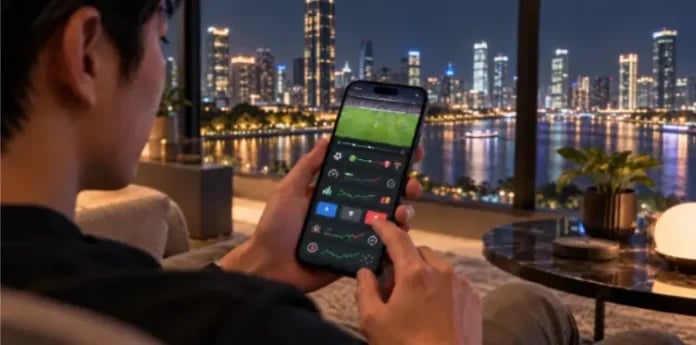
Starting with the 2026-27 season, DAZN will be the exclusive local streaming home for Spurs basketball. The deal covers all preseason games at no cost, all regular-season games not selected for national broadcasts, and the full package of pregame, postgame, and original programming the franchise produces around its games. All new subscribers receive a seven-day free trial. Subscriptions start at $19.99 per month, with an annual option at $119.99 and an early-bird rate of $59.99 for those who lock in before October.
The announcement follows the collapse of the regional sports network model that once delivered local NBA basketball to millions of households with a basic cable subscription. FanDuel Sports Networks and its parent company, Main Street Sports Group, shut down operations earlier this year, leaving several NBA franchises without a local broadcast partner heading into the fall. The Spurs, like the Cleveland Cavaliers, Indiana Pacers, and Minnesota Timberwolves before them, have chosen DAZN as their answer.
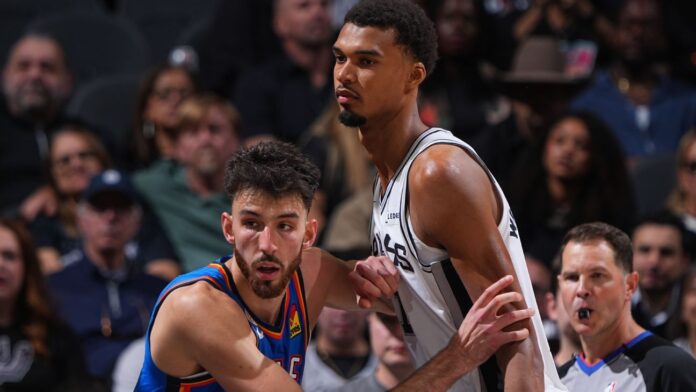
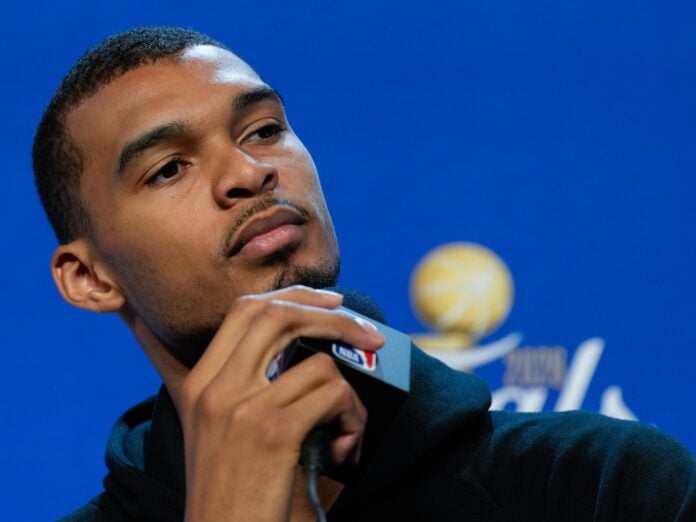
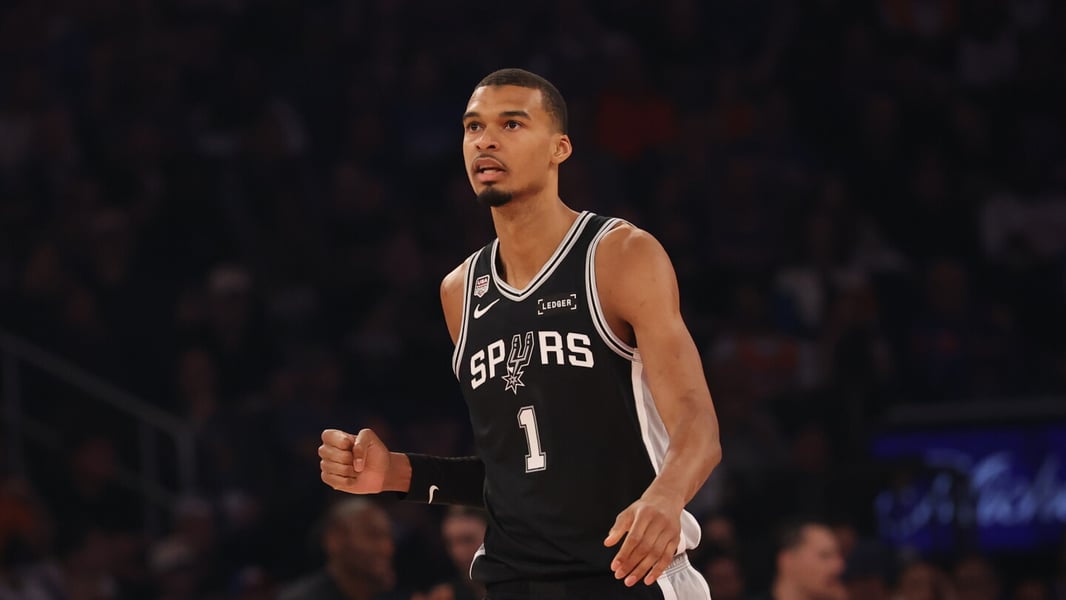
For Spurs fans, the timing clarifies what is at stake. Victor Wembanyama, the 22-year-old franchise center who signed a five-year, $252 million extension in July, is entering what many around the league consider his first genuine contender-building season. The contract made headlines for what Wembanyama chose to decline: by waiving escalator clauses that could have taken the deal to $303 million had he earned All-NBA honors, MVP, or Defensive Player of the Year, he accepted the standard 25% rookie-scale maximum with no conditions attached. CBS Sports detailed how the structure gives San Antonio meaningful flexibility for future moves, including clearing space to offset De’Aaron Fox’s $221.7 million extension and keeping the franchise clear of the repeater luxury tax. The contractual economics are consequential. But what the extension actually represents is a commitment: to the city, to the team being assembled around him, and now to the platform through which fans will watch that assembly take shape.
DAZN’s approach across the NBA has been deliberate. The streaming company, which built its international presence through boxing and combat sports rights, moved into local NBA broadcasting as the RSN model deteriorated. The Cavaliers were first, their deal offering subscriptions at $19.99 per month with 15 free games per season, Yahoo Sports reported. The Pacers and Timberwolves followed with similar structures. The Spurs’ announcement completes a wave of conversions that has now reached multiple markets, giving DAZN a footprint in local NBA rights that did not exist two years ago.
The old RSN model worked because it made access invisible. The carriage fees cable operators paid to regional networks generated revenue regardless of viewership, which meant that fans could follow their teams without thinking about what the signal cost or how it reached them. That structure outlasted the early years of cord-cutting, sustained by the economics of the bundle even as the bundle itself eroded. When Main Street Sports Group shut down, it left teams scrambling for distribution with less than two months before training camp. DAZN’s model is structurally different: a specific app, a specific subscription, a direct relationship between the fan and the platform. Whether casual viewers who once had the Spurs as background noise will pay $19.99 monthly to maintain that arrangement is the central commercial question the model has not yet answered across the markets where it is active.
The NBA has made bets on its own value before, and at far higher stakes. As Eastern Herald has reported, five ownership groups are currently competing for the Las Vegas expansion franchise at valuations between $8 and $10 billion, a price floor that would have seemed difficult to justify when the league’s local broadcast infrastructure was visibly weakening. That it no longer seems implausible is a measure of how thoroughly the NBA has repositioned itself as a media property over the past decade. Russell Westbrook’s decision this week to co-found Project B, a women’s basketball league built on a player-equity model, is one more signal that the sport’s commercial infrastructure is being rebuilt from multiple directions at once.
Wembanyama is the asset being sold in San Antonio. The Spurs have not had a player of his competitive and commercial profile since Tim Duncan retired, and the franchise had not found a reason to take a clear position on what comes next until Wembanyama arrived and signed to stay at a below-market rate. His salary structure lets the organization build the team that gives him a reason to have done so. Whether DAZN can convert that goodwill into subscribers at the scale the model requires depends partly on how the team performs in October and beyond, and partly on whether the league’s broader streaming bet translates into sustainable local economics that nobody has yet been willing to put a number on publicly.
What is known is simpler. The games start. The subscriptions are open. San Antonio finally has an answer to where Wembanyama will be this fall.