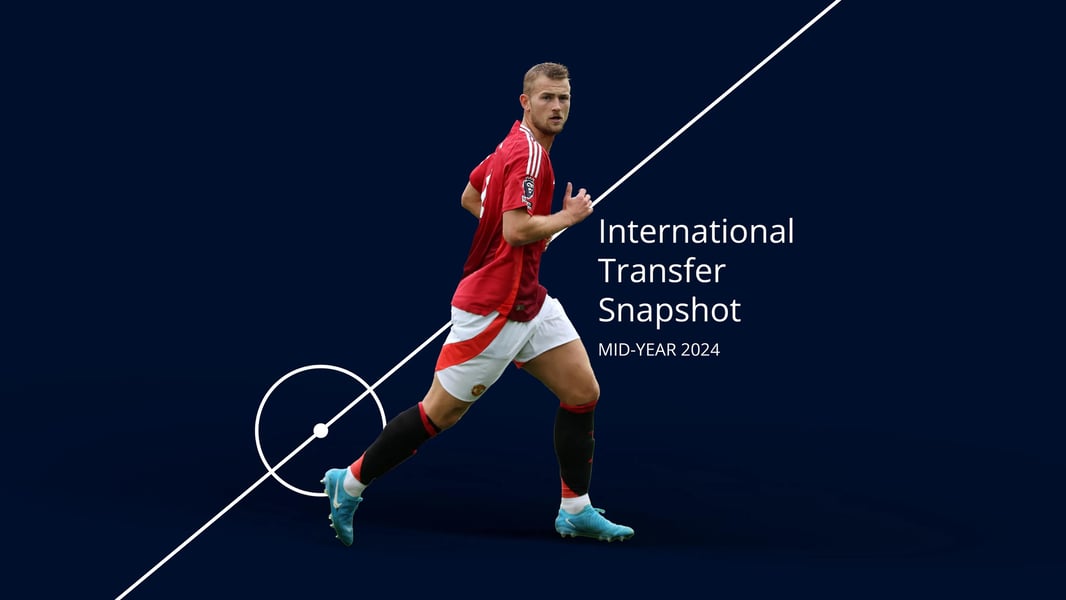

ZURICH — The 2026 World Cup final ended in Los Angeles with Spain lifting the trophy, and the ripple effects were still arriving weeks later when the sport’s governing body published its International Transfer Snapshot on Thursday. Global spending on international transfers reached $9.89 billion across the summer window, a figure that would have been unimaginable twelve months earlier and is directly connected to what happened on American soil this summer.
The math is stark. Of that record total, $3.3 billion was generated by the 267 players from 47 different nationalities who featured at the tournament and subsequently changed clubs, according to FIFA’s International Transfer Snapshot. That is more than one-third of the entire global market driven by the movement of players who arrived at the World Cup and left it worth considerably more than they were going in.
This is the World Cup premium at its most measurable.
The largest football transfer market in the world moved furthest. Premier League clubs invested more than $3.02 billion in players arriving from abroad, a figure that underscores the league’s position as a buyer no other European division can match at scale. The spending was not uniform across a single dominant club. It was distributed across a top tier that had identified the tournament as the best possible performance data for the players it needed.
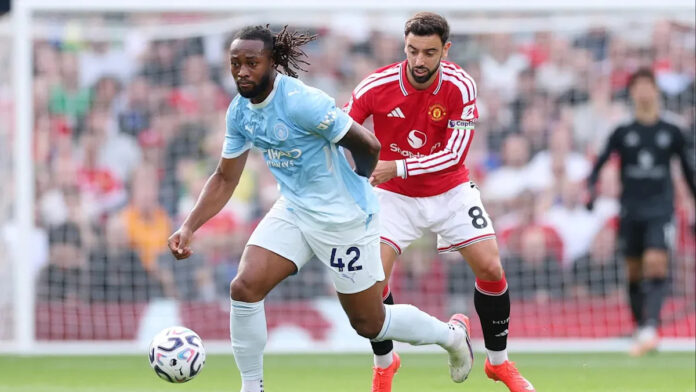
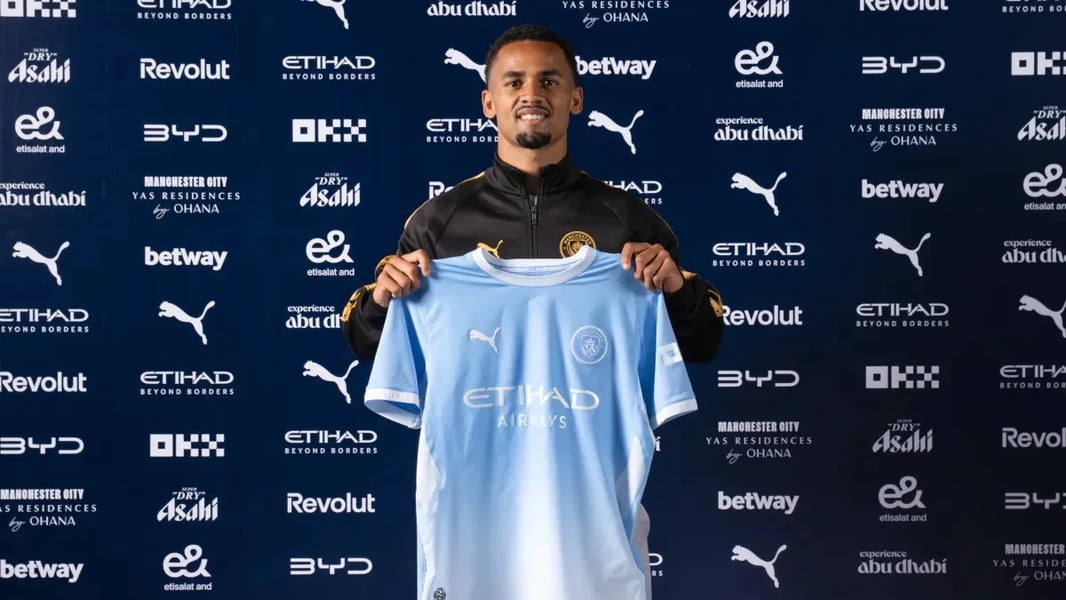
Manchester City led all clubs with £440 million in total spending, a figure anchored by the summer’s single most expensive individual deal. City signed Enzo Fernández from Chelsea for £125 million, a British transfer record and the price of a player who arrived in England as a World Cup winner in 2023 and spent three years confirming that the tournament’s validation was no accident. Rodri’s Barcelona exit had left a midfield architecture that needed rebuilding from its base. Fernández was the specific answer to the question that departure created.
Liverpool answered a different question with a comparable fee. Bradley Barcola moved from Paris Saint-Germain for £120 million, the second-largest deal of the summer and a transfer that would have drawn serious skepticism before the tournament. What Barcola demonstrated at the World Cup included the qualities Liverpool most needed: speed, directness, and the capacity to be decisive under knockout pressure. Liverpool moved quickly once it became apparent other clubs were circling. The fee reflected what the market had decided he was worth in the weeks after June’s final.
None of the clubs writing large checks this summer can know yet which column their signings fall into.
The spending extended well beyond England. The 267 World Cup players who changed clubs came from 47 different nationalities, which means clubs from leagues across Europe and beyond participated in what FIFA’s report effectively describes as a tournament-driven transfer event. The dispersal was global; the appetite to pay for proven World Cup performers was not limited to one domestic competition.
Arsenal Lautaro bid, which collapsed in the final hours of the window, illustrated both the ambition and the limits the inflated market produced. Inter Milan held firm. The fee Arsenal were reportedly prepared to pay, in the range that would have broken their own club transfer record, signals how the entire market calibrated itself this summer, including for the deals that ultimately did not happen.
The women’s game also set records, registering $28.6 million in spending across 1,406 international transfers, both figures representing new highs for the summer window. That spending reflects genuine growth in the women’s professional game. It also sits alongside $9.89 billion on the men’s side in a way that makes the distance between the two markets impossible to ignore.
What FIFA’s report cannot yet answer is the question every club that spent heavily is asking internally. The window closed September 2. The seasons are underway. Players signed at tournament premiums are now in training groups and match-day squads, facing the different demands of thirty-eight domestic games against opponents who have had weeks to prepare. The World Cup is the most pressurized environment in football. It is not an environment that mirrors an English winter, the Champions League group stage, or the tactical adjustments an opposition manager can assemble after six weeks of footage.
Manchester City, Liverpool, and the clubs who collectively drove Premier League spending to £3.49 billion know who they signed and what they paid. The question that will define this summer was always going to arrive later: whether the players they identified under tournament conditions could deliver through winter league conditions. FIFA has confirmed what was spent. The next several months will confirm whether the market was right.