
CHICAGO — The plan was never subtle. The Chicago Blackhawks spent three seasons trading useful players away, absorbing one-sided losses, and deliberately remaining near the bottom of the standings with the kind of patience that frustrates short-term thinking but rewards long-term planning. The payoff arrived on draft night in Nashville in June 2023, when commissioner Gary Bettman called Connor Bedard’s name first and Chicago could finally confirm what three years of calculated losing had been designed to achieve.
Three seasons into Bedard’s career, the Blackhawks have five days to decide how long he will remain with the organization.
The collective bargaining agreement extension window closes Monday. After September 15, the maximum contract Chicago can offer Bedard will fall from eight years to seven. That single year separates a franchise statement from a franchise decision that remains unfinished. Kyle Davidson, the Blackhawks’ general manager, has been measured in his public comments throughout the summer, using the language of process, priority, and expectation that the deal will be completed. None of those statements has produced a signed contract.
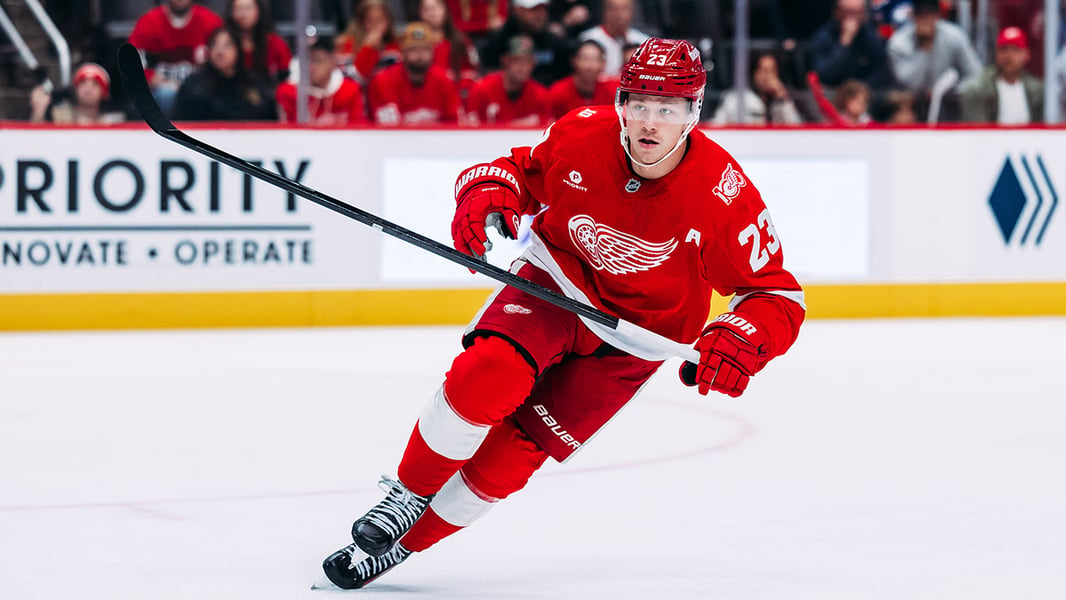
Bedard is 21, plays center, and recorded 82 points in 79 games during the 2025-26 season. He was the primary force behind a Blackhawks team that finished in the bottom third of the Western Conference but showed, for the first time since the Patrick Kane era, something worth watching inside the building on West Madison Street. Bedard arrived in Chicago as the most highly anticipated prospect since Sidney Crosby. He spent his first two seasons being good enough to justify that attention without yet producing the performance that silenced the remaining skeptics. His third season was that moment.
The question no one in Chicago has answered publicly is whether that moment was enough, not on the ice, but at the contract table.

Davidson has not confirmed where that negotiation stands. Bedard has not spoken publicly about it. In the absence of information, the Chicago media market has filled the space with projection.
What the Blackhawks cannot pretend is that Monday’s deadline doesn’t change the math. The CBA’s structure caps same-team extensions at eight years until September 15, dropping to seven afterward, as Fox Sports detailed in its breakdown of how the deadline is reshaping the league’s young-star landscape this week. The rule was written to create exactly this kind of pressure. Teams and players knew the window. The Blackhawks and Bedard’s camp have had this date on their calendars since the summer began. The absence of an announcement after three months of camp rumors and market speculation means either the dollar gap has been larger than expected or both sides have been deliberately unhurried. Neither reads like a deal that is already done.
The Slafkovsky situation in Montreal and the Michkov situation in Philadelphia are tracking on similar unsigned timelines. Both share the same Monday expiration. What those situations do not share with Chicago’s is history: Montreal’s relationship with Slafkovsky has been publicly tested since the draft floor in 2022. Chicago’s relationship with Bedard has been tested by exactly one thing, the gap between what was anticipated and what has happened. CBS Sports ranked Bedard among the five best centers in the Western Conference entering this season, placing him in company that did not exist as a credible comparison two years ago. That gap has closed.
The rest of Chicago’s rebuild has taken shape around Bedard’s presence. Frank Nazar has developed into a legitimate second-line center. Kevin Korchinski has given Davidson a top-pair defenseman built entirely in-house. The core exists. It needs to know what it is built around, contractually, before any of its planning means anything.
Three years of tanking bought Chicago the right to have this conversation. Five days remain to close it.
An eight-year deal from Bedard says: this is where I want to win, this is the franchise I am committing to, the calculation was right and I am signing it. A seven-year deal signed after Monday says something structurally similar with one fewer year and one visible difference that the United Center crowd will not fail to register. Chicago went all-in. The question, for the next 120 hours, is whether Bedard is going all-in back.