NEW YORK — Fifty-one years is the gap. In 1975, the last time four women among the world’s top four ranked players all reached the US Open semifinals, Jimmy Carter had not yet won the Democratic nomination and professional tennis was seven years into the Open Era. When Aryna Sabalenka walked off Arthur Ashe Stadium Wednesday and confirmed her place in Thursday’s last four, she set in motion a day that will either extend her toward a record or end it before a final that seemed, two weeks ago, entirely inevitable.
The draw that WTA officials released in August gave Sabalenka’s three-peat bid the worst possible path. She navigated it. Now two matches remain, and only one of them is hers to control.
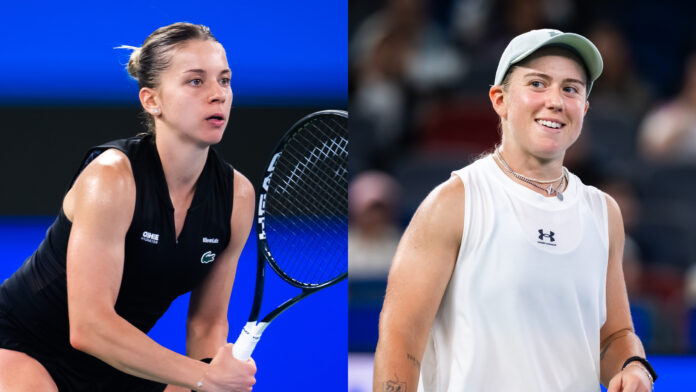
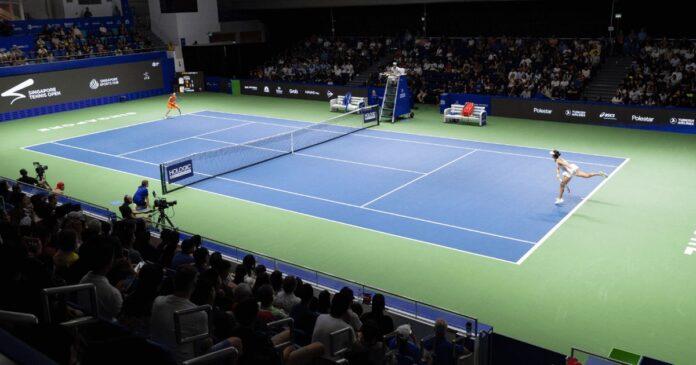
Thursday’s women’s semifinals are scheduled at Arthur Ashe Stadium: Sabalenka, the No. 1 seed, against No. 3 Jessica Pegula in a rematch of the 2024 final; and No. 2 Elena Rybakina, who arrived at Flushing Meadows as WTA No. 2 and will leave it as No. 1 regardless of what happens today, against No. 4 Coco Gauff, the defending champion who opened her title defense here two weeks ago. It is the first time since 1975 that the top four seeds have all survived to the US Open women’s final four.
Sabalenka needs two more wins to complete what no woman has done in the Open Era: three consecutive US Open titles. The list of players who won back-to-back at Flushing Meadows and then returned for a third attempt is short and mostly cautionary. Steffi Graf and Serena Williams are on it. Both ran into the tournament’s particular cruelty: the draw’s randomness, the surface’s relentlessness, the weight of being the name everyone aims for in September.
Her opponent on Thursday has personal grievances about all three of those variables. Jessica Pegula was the player Sabalenka defeated in straight sets in the 2024 final, a result that ended what had been the American’s most sustained Grand Slam run. She returned to the quarterfinals Wednesday, removing Emma Navarro in a match that suggested Pegula is playing the cleanest tennis of her career, CBS Sports reported. Sabalenka leads their head-to-head 9-4, but the last four meetings have each required three sets. When these two play deep into a match, the margins collapse.
What Pegula provides that most opponents cannot is the refusal to disappear after losing the first set. In Grand Slam tennis, that quality matters more than almost any other. Sabalenka’s serve is the best weapon in the women’s game. Pegula’s return is one of the few that can neutralize it. This is not a predictable semifinal. The 2024 final at this same venue had Pegula nowhere near Sabalenka’s level. This one almost certainly will not.
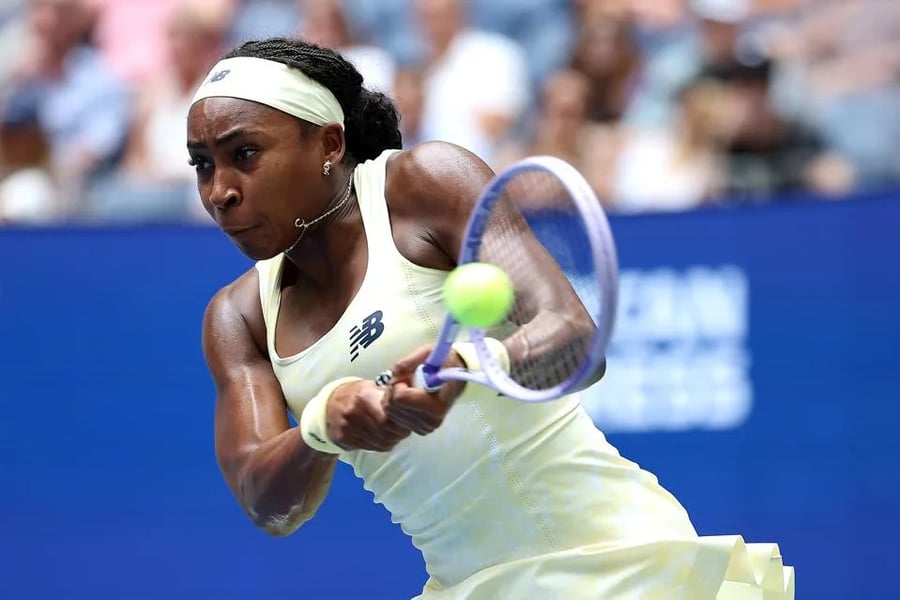
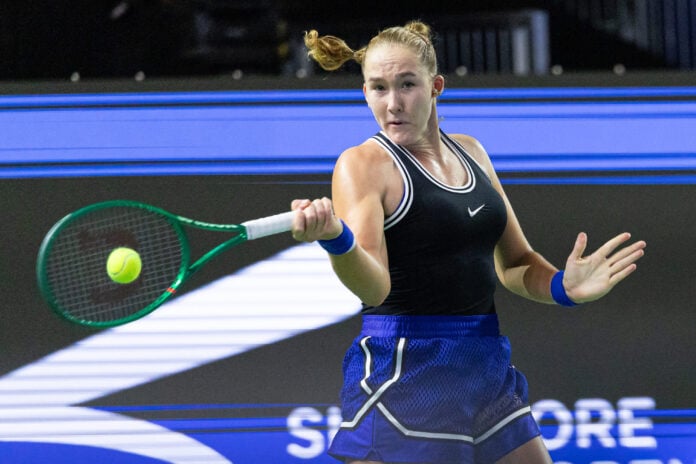
Gauff has her own relationship with Flushing Meadows that exists entirely outside the ranking math. She opened her title defense here two weeks ago knowing that the world No. 1 ranking she has never held was sitting at the far end of the draw, with a second US Open title as the currency to collect it. That scenario closed Wednesday when Rybakina clinched the top spot, but Gauff got to the semis anyway, outlasting Mirra Andreeva 2-6, 7-6(7), 6-2 in a quarterfinal that for forty-five minutes looked like an early exit and for the final hour looked like the kind of momentum a player carries into a semifinal. Gauff won the decisive tiebreak in the second set with shot selection that rattled Andreeva and never really stopped, Yahoo Sports reported.
Frances Tiafoe’s five-set quarterfinal comeback earlier this week demonstrated that this US Open rewards players who can absorb a deficit and recalibrate rather than retreat. Gauff did the same thing against Andreeva. Whether that quality shows up again Thursday against an opponent who commits fewer errors per set than almost anyone on tour is the question the Ashe crowd will watch all afternoon.
What Thursday cannot answer, at least until the matches are played, is whether the comparison with 1975 will retain its meaning or dissolve under the weight of what is actually at stake. In 1975, the women’s draw featured the four best players of that generation, and the semifinals reflected the sport’s natural hierarchy. This year’s draw has done the same for the first time in half a century. That could indicate that the game has returned to a level resembling that era, or simply that four players built for hard courts reached the same two weeks in peak form.
There is one question the rankings and head-to-head records cannot resolve: who needs this most. Sabalenka needs history. Pegula needs the final she has already lost. Rybakina already has the ranking she came to claim. Gauff needs to discover whether she is only what her two Grand Slam titles suggest, or something more.
Those four sentences capture the entire semifinal story. The courts open Thursday.