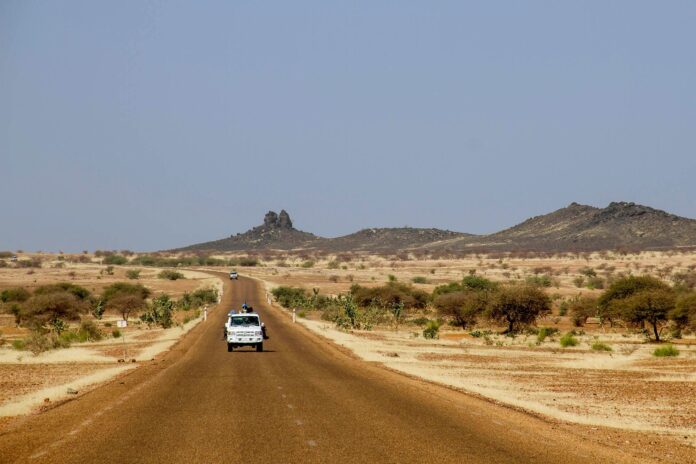

RIYADH — Saudi Arabia’s East-West Pipeline was built as insurance against precisely the kind of disruption the kingdom now faces. After Iran effectively closed the Strait of Hormuz in late August, Saudi authorities redirected roughly five million barrels of crude a day through the 1,200-kilometer pipeline, which carries oil from fields in the Eastern Province to the Red Sea port of Yanbu. Decades after its construction, the pipeline had become Saudi Arabia’s critical alternative route to global markets.
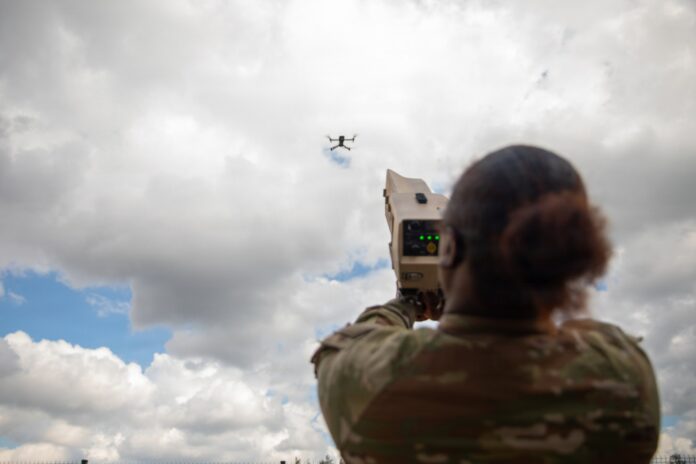
That contingency was disrupted Thursday night when drones struck sections of the pipeline.
Saudi Arabia’s Ministry of Foreign Affairs said Friday that multiple unmanned aircraft launched from Iraq’s Maysan province in the country’s southeast targeted the East-West Crude Oil Pipeline at locations near Riyadh and along the central section of the route. Saudi Aramco subsequently halted operations across the pipeline as a precaution. Authorities have not provided a timetable for restarting the system.
The shutdown leaves Saudi Arabia facing a potentially serious export bottleneck. With the Strait of Hormuz already effectively impassable, the East-West Pipeline had provided the kingdom’s principal alternative corridor for transporting crude to export terminals on the Red Sea. Damage to both routes simultaneously could constrain Saudi Arabia’s ability to move oil to international customers.
No organization has publicly claimed responsibility for the attacks.
The reported origin of the drones has nevertheless intensified scrutiny of armed groups operating in southern Iraq. Maysan province, which borders Iran and lies close to Kuwait, has long been an area where Iran-aligned militia networks maintain influence. That makes such groups a possible line of investigation, although the available evidence does not by itself establish who ordered or carried out the strikes.
Iraq’s Prime Minister Ali al-Zaidi responded by dismissing a senior military commander in Maysan, a move that underscored concerns over the security failure in the province. Baghdad has not acknowledged any role in directing the attacks.
Saudi Arabia’s Foreign Ministry condemned the strikes as “cowardly terrorist acts” and said those responsible would be held accountable. It also reserved the kingdom’s right to take “all necessary measures to protect the kingdom’s sovereignty, security, and critical facilities.”
For now, Riyadh has stopped short of announcing an immediate military response. The decision followed a request from Baghdad for time to investigate the attacks, leaving the next move dependent in part on whether Iraqi authorities can identify those responsible and demonstrate that they can prevent further attacks from Iraqi territory.
Brent crude closed Friday at $108.68 per barrel. West Texas Intermediate settled at $103.45. Murban, the Abu Dhabi benchmark that has served as the operational reference price for Gulf crude since Hormuz traffic collapsed, spiked above $122 during the session before pulling back. The simultaneous loss of both major Gulf export corridors is the scenario energy markets had hoped to avoid long enough for a diplomatic resolution to develop; Thursday’s attack made that patience considerably more expensive.
Saudi crude production has already been falling. Output stood at 6.24 million barrels per day in August, well below the kingdom’s stated capacity of ten million barrels per day. Exports from Yanbu were running roughly fifty percent below July volumes before Thursday’s attack. The pipeline’s closure removes even that diminished flow.
Saudi Arabia has not declared force majeure on existing crude contracts. Saudi Aramco has not announced changes to customer allocations. Those silences reflect the gap between how quickly the physical supply situation changes and how quickly energy companies and governments communicate about it.
The unknowns are as significant as the confirmed facts. No technical assessment of the pipeline damage has been publicly released. The East-West Pipeline is hardened infrastructure built to military security standards; even modest structural damage to a high-pressure crude line of that diameter requires careful inspection before any restart, and Saudi Arabia has said nothing about when that might happen. What has also not been established is whether Thursday’s attack was an opportunistic strike on a newly exposed vulnerability or a planned element of the broader Iran war campaign. That question still does not have an answer.
The Iraq dimension complicates everything downstream. Baghdad has maintained formal neutrality throughout the Iran confrontation, but Iran-linked armed groups in southern Iraq operate with substantial autonomy. Al-Zaidi’s dismissal of the Maysan commander was a gesture that acknowledged a failure without explaining it. Whether Baghdad can exercise more control than gestures allow is not yet clear.
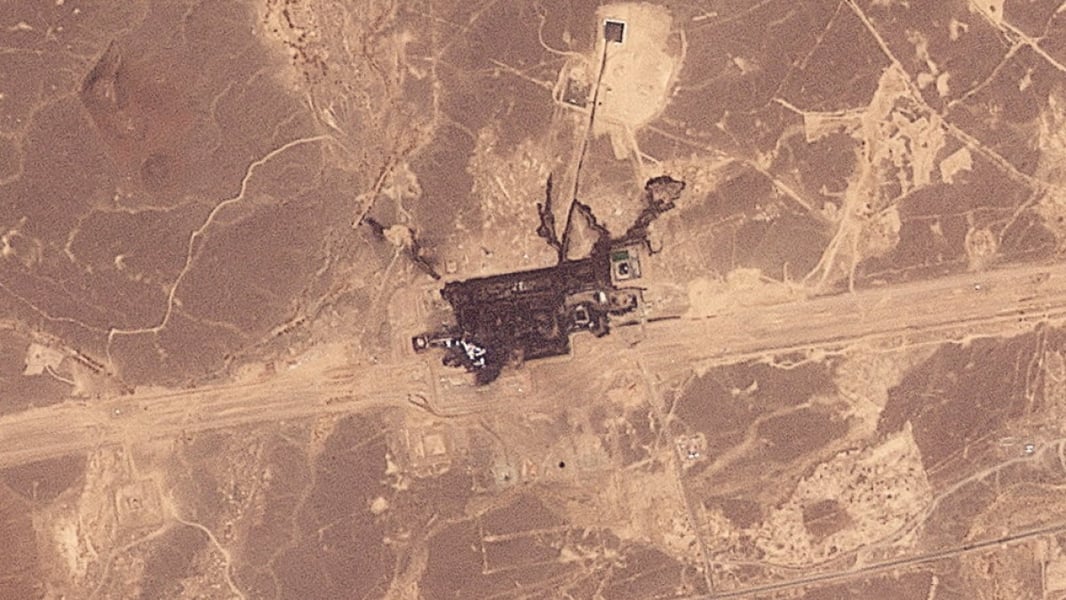
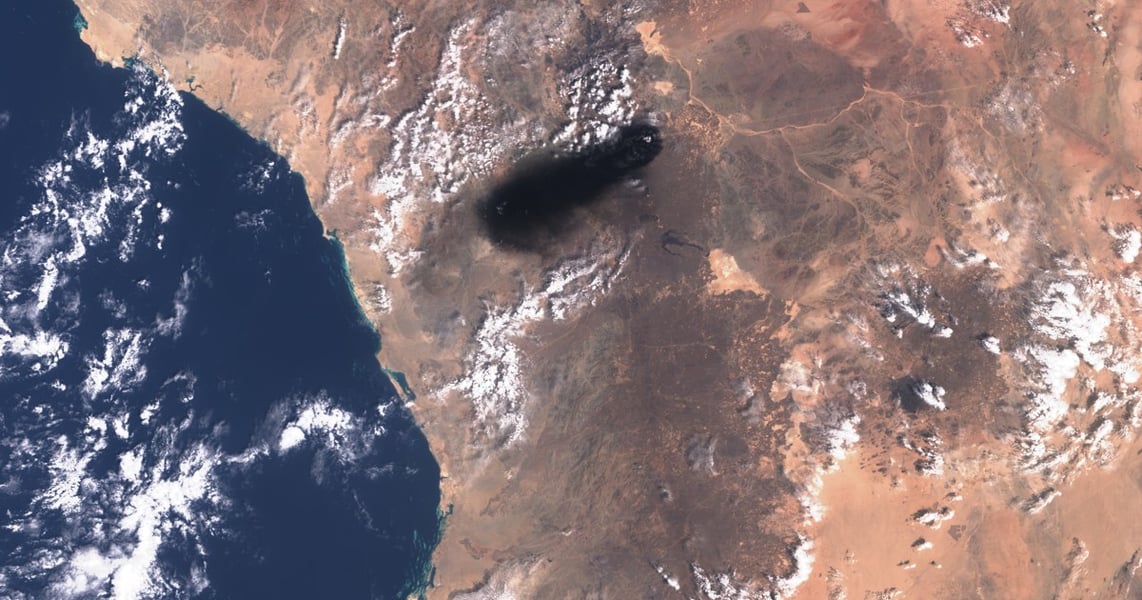
For Saudi Arabia, the binding constraint is no longer the amount of oil underground. The kingdom holds reserves that can supply global markets for decades. The constraint is the physical infrastructure to move that oil to customers. Al Jazeera reported Friday that satellite imagery confirmed damage at two Petroline pumping stations. With Hormuz impaired and the pipeline offline, Saudi Arabia’s ability to deliver crude to market has fallen far below its capacity to produce it. That gap is not going to close quickly.