
LOS ANGELES — Two weeks ago, the Los Angeles Clippers called it a witch hunt.
On Sunday, Steve Ballmer paid the fine.
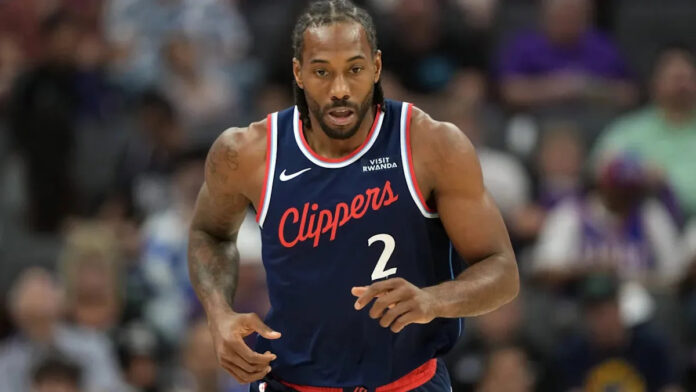
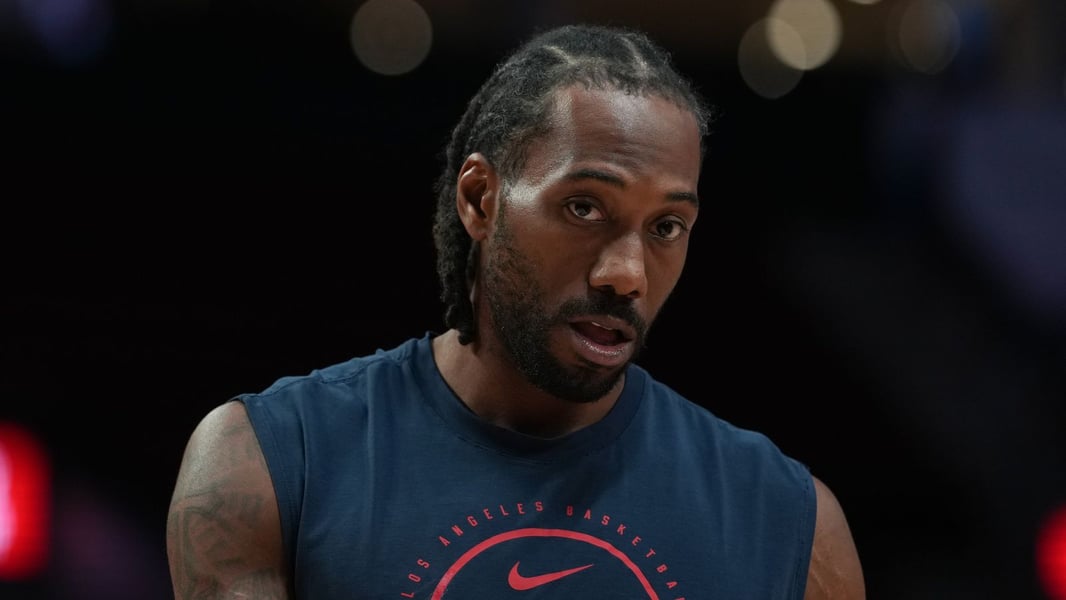
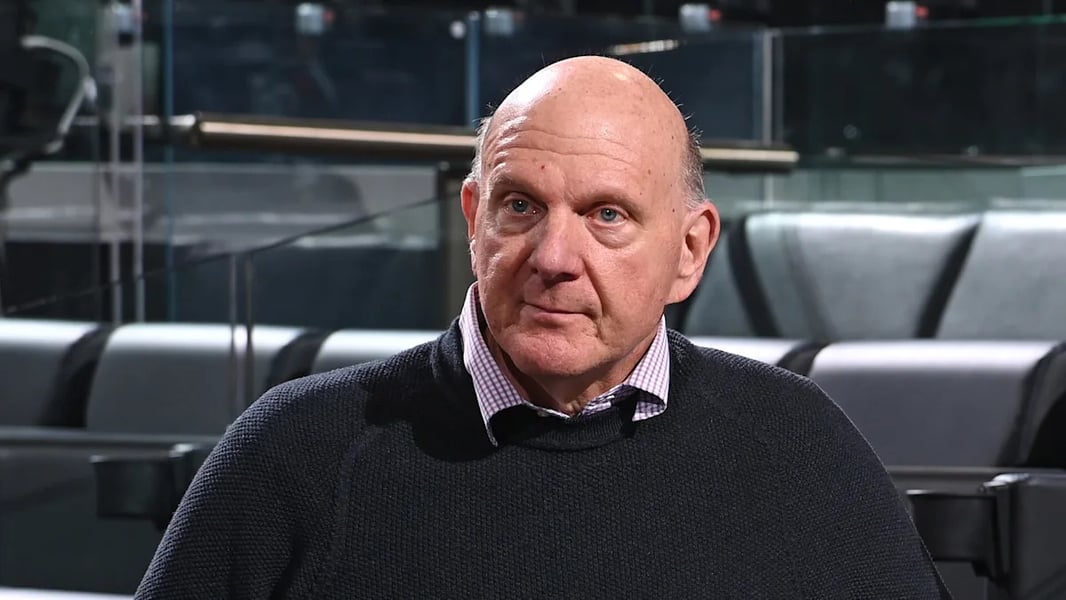
The NBA’s $30 million penalty, announced September 2 after a nearly yearlong investigation into alleged salary-cap circumvention involving Kawhi Leonard, has been settled. Ballmer, who was suspended from all league and team activities for one year, issued a statement expressing what he called “sincere regrets” to fans, employees, and fellow owners.
He accepted responsibility as the Clippers’ principal owner. He did not admit that the organization had done anything wrong.
That gap—between paying and admitting—remains the sentence nobody within the organization has explained.
After the NBA handed down its findings earlier this month, the list of penalties was long: five forfeited first-round picks between 2029 and 2033, a $30 million franchise fine, Ballmer’s yearlong suspension, a year out for president of business operations Gillian Zucker, six months for basketball operations president Lawrence Frank, $700,000 from Leonard himself, and a five-year ban from NBA business for Leonard’s former manager Dennis Robertson. The Clippers came out swinging. Ballmer’s legal team labeled the probe a witch hunt. The franchise said it “vehemently rejected” the league’s findings and pledged to “challenge these findings and penalties through every avenue available.”
The legal battle lasted eleven days.
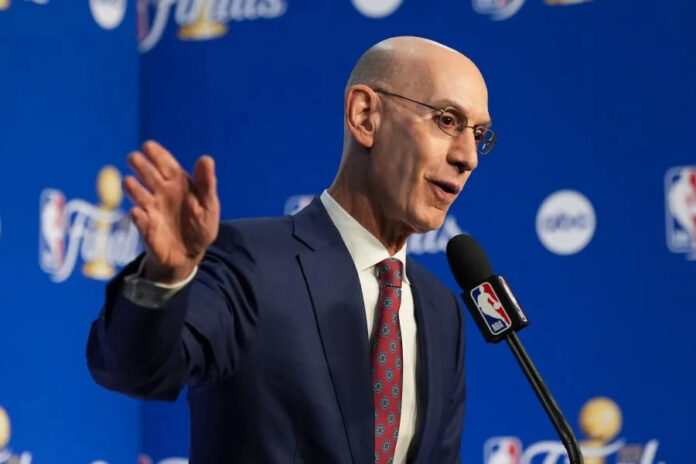
The investigation was conducted by Wachtell, Lipton, Rosen and Katz, one of the country’s leading corporate law firms. Its findings described what the league characterized as a pattern of misconduct: the Clippers initiated and facilitated sponsorship income deals between Leonard and four team corporate sponsors, specifically Aspiration, Boingo Wireless, Daktronics, and Lockton Insurance. The report found the Clippers were a prior offender of salary cap circumvention rules, a fact that influenced the severity of the penalties. NBA Commissioner Adam Silver called the violations “flagrant” and described the franchise’s conduct as an “institutional and leadership failure.”
None of that language has been retracted. The franchise has not issued a statement saying Silver’s characterization is wrong. It has paid the fine and declined to challenge the findings in any forum. Yahoo Sports reported that Ballmer’s statement included an apology to fans and employees specifically for “the distraction and distress” the matter had caused, language that acknowledges harm without locating its source.
The cost to the franchise over the next seven years is harder to calculate than the $30 million figure suggests. Five first-round picks represent the entire developmental pipeline for a franchise that already carries a reputation as a free-agent destination that has never won a championship. Losing five consecutive first-rounders means the Clippers will have no high-end draft equity to offer in trades, no guaranteed infusion of cheap controlled talent, and no fallback if the current roster ages into irrelevance before another star signs. As the NBA’s collectively bargained salary structure grows more stratified at the top, teams without draft picks to trade have fewer tools to reshape rosters quickly.
As EH has reported, the Kawhi Leonard trade to Toronto has been stalled since the suspensions were announced, with no one inside the organization authorized to approve the move. Frank, who led basketball operations, is suspended through the winter. Ballmer cannot attend games or league meetings. That organizational vacuum has already produced visible fractures, with the decision to give Chris Paul’s retired number to Bradley Beal made without Frank’s input, breaking a private commitment Frank had made to Paul before his suspension began.
The Clippers are entering 2026-27 without their owner, without their top basketball executive for the first four months of the season, and without a resolution to the Leonard situation. Sky Sports reported that the penalties represent the most severe punishment in NBA history for salary cap violations, a designation that signals how seriously the league views what the Clippers did and how clearly it wants other franchises to read the case.
What the Clippers still owe the NBA is not money or draft picks. It is an account of who made decisions and why, a version of events that reconciles the initial defiance with the swift reversal, a story of how a franchise run by one of the wealthiest owners in professional sports concluded that sponsorship deals for a player represented an acceptable institutional risk. The settlement closes the financial question. The organizational question is not closed by paying a fine.
Training camp opens in two weeks. Ballmer will not be there.