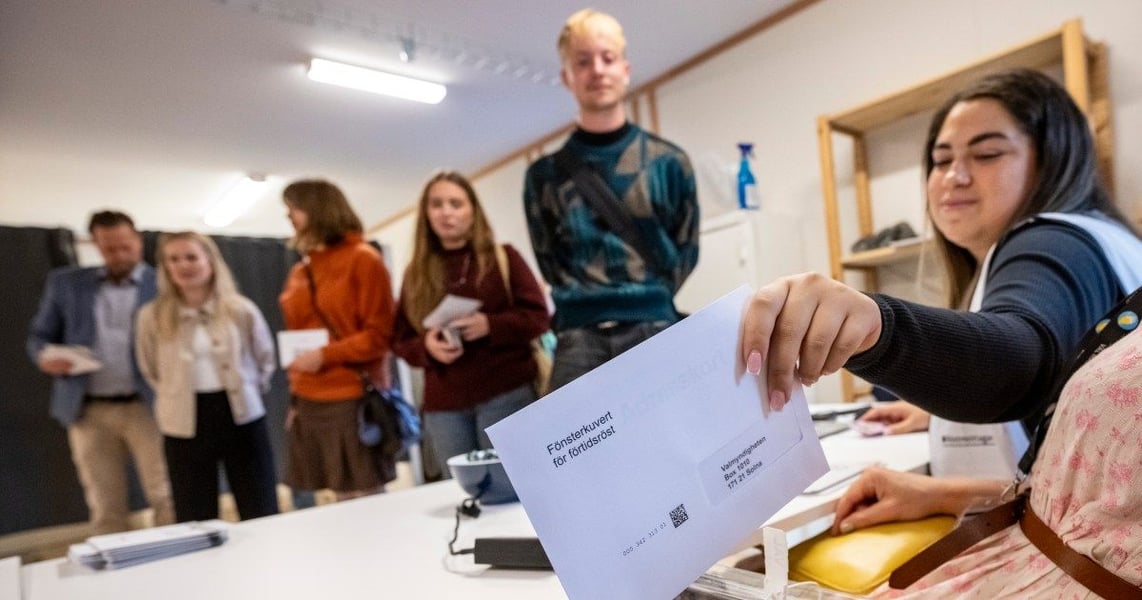

STOCKHOLM — For the first time in 12 years of Swedish elections, the far right moved backward on Sunday night.
The Sweden Democrats, who spent nearly a decade reshaping Sweden’s political landscape through anti-immigration politics, fell from second to third place. Their vote share slipped by nearly three percentage points to 17.6%, a decline without precedent in the party’s modern history.
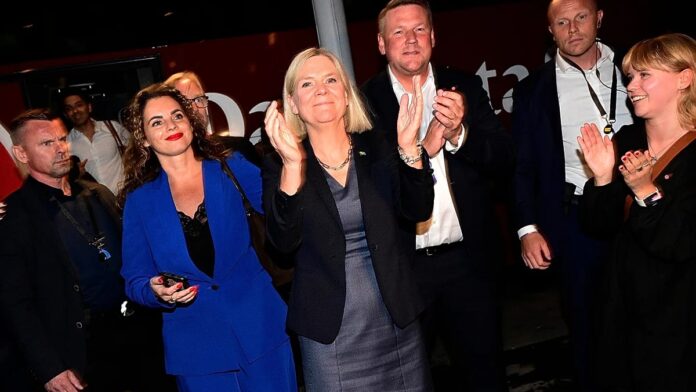
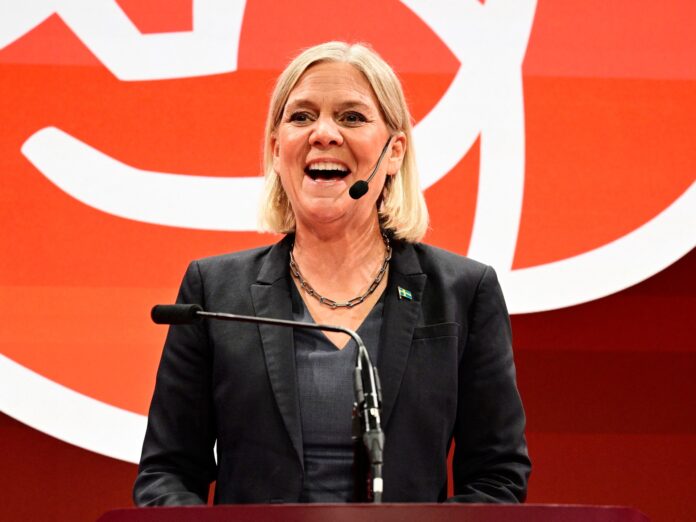
With roughly 95% of votes counted, the result left Sweden’s parliament in a state of suspended arithmetic. The center-left opposition, led by Magdalena Andersson’s Social Democrats, held a narrow advantage of two or three seats over the incumbent right-wing government headed by Prime Minister Ulf Kristersson.
Thousands of postal and overseas ballots remain uncounted and are not expected to be tallied until Wednesday, making a definitive result impossible before the end of the week.
What is not in doubt is what Sunday night represented: the most consequential electoral shift in Sweden in years. The Sweden Democrats had entered the campaign expecting to make history by entering government for the first time. Instead, they became the story of a party whose ceiling had finally been reached, according to Al Jazeera.
“It’s obvious that we’ve lost a few percentage points,” party leader Jimmie Åkesson told supporters as results came in. “There are now so many more people around our country who no longer find it difficult to say that they are Sweden Democrats.” Defiant in tone, the statement still acknowledged what the night had delivered: a first-ever decline for the party that had once seemed unstoppable.
The Social Democrats, despite their years in opposition, remained Sweden’s largest party with roughly 30.5 percent, more than 11 percentage points ahead of the Moderates in second place at 19.1 percent. The left bloc’s performance tracked the exit polling released by Swedish public broadcaster SVT, which had shown Andersson’s side ahead by more than four points in the popular vote, Euronews reported.
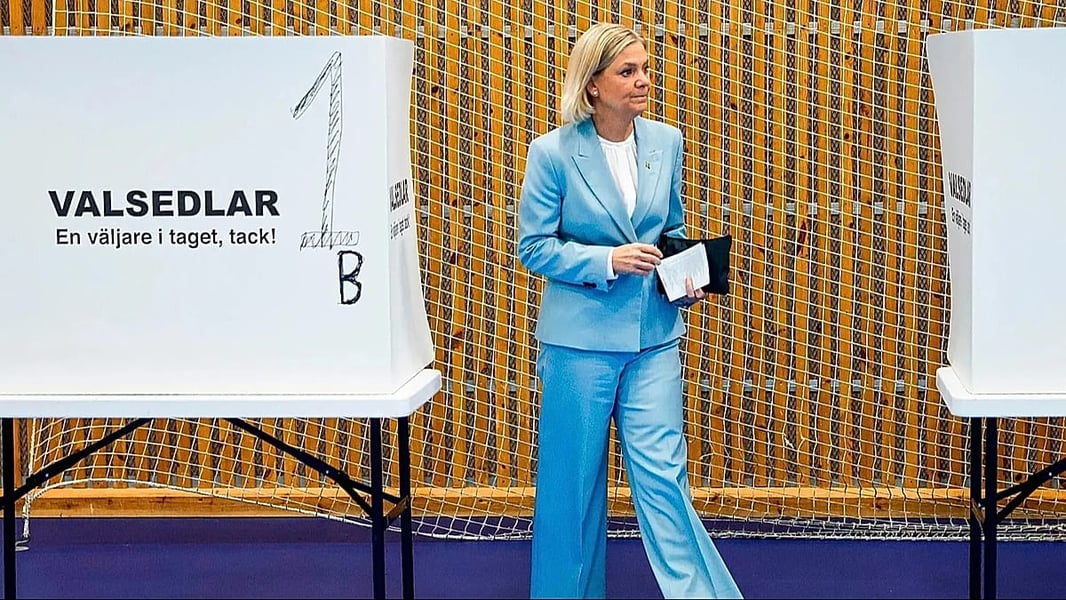
A left government in Sweden would almost certainly require support from smaller parties including the Greens and the Left Party, which have traditionally been at odds on specific policy questions. The Social Democrats governed with that informal support structure before losing power in 2022. Reconstructing it would require fresh negotiations that Andersson and her allies have not yet publicly entered.
The Sweden Democrats’ decline poses a structural problem for the Swedish right that goes beyond arithmetic. Kristersson’s Moderate-led government depends on the far right for its parliamentary majority without formally including them in cabinet, a reliance that has become increasingly exposed. A shift of a handful of seats in the final count would strip the right bloc of its governing mandate.
What drove the Sweden Democrats down is a more difficult question. Swedish polling ahead of the election had pointed to a tight race without predicting the party’s decline. Immigration, the issue that built the Sweden Democrats into the country’s second-largest party in 2022, has not disappeared from Swedish politics. The country has had a difficult several years managing migration numbers and integration, and the far right spent the campaign reminding voters of it. The party’s critics pointed instead to a quiet realignment among younger voters and suburban constituencies that had drifted rightward in 2022 but appeared to return to mainstream parties on Sunday.
The final weeks of the campaign were shaped as much by economic anxiety as migration. Sweden’s housing market has remained under pressure, and the cost of living crisis that has dogged European governments throughout this decade gave the Social Democrats, traditionally stronger on social welfare, an opening that Andersson’s campaign exploited in direct terms.
Sweden’s participation in NATO, which the country formally joined in March 2024 after overcoming Turkish and Hungarian objections, also formed a quiet backdrop to the campaign. Sweden’s accession to collective defense has become a settled fact rather than a contested argument, removing one of the right’s most reliable mobilizing frames from the table, at a moment when right-wing coalitions across the Atlantic are also facing their own electoral tests.
Anadolu Agency described the result as a knife-edge vote, noting that final certainty may not arrive until the end of the working week. Sweden has been one of several northern European countries where far-right parties built their strongest-ever results in 2022, alongside Italy, Finland, and the Netherlands. A genuine reversal in Scandinavia would carry implications well beyond Stockholm.
The Riksdag may not know its final composition until late this week. Sweden’s election law provides for counting postal and overseas votes through Wednesday, and the narrow margins involved mean every batch matters. Kristersson has not conceded and has not indicated he would resign before the full count is complete.
What the country does know is that the Sweden Democrats, whatever the final result, will enter the new parliamentary term weaker than they left the last one. For a party that had known nothing but growth since its modern reinvention, that alone is a result worth recording.