
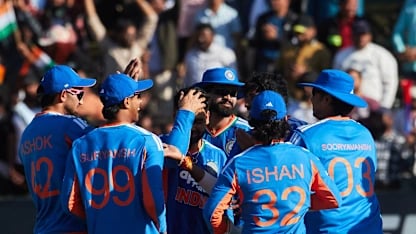
SANO, JAPAN — The photograph that confirmed it was real: India’s players in blue training gear stepping through Narita International Airport on Monday afternoon, phones in hand, looking like they were on any other tour. Except this one has never happened before.
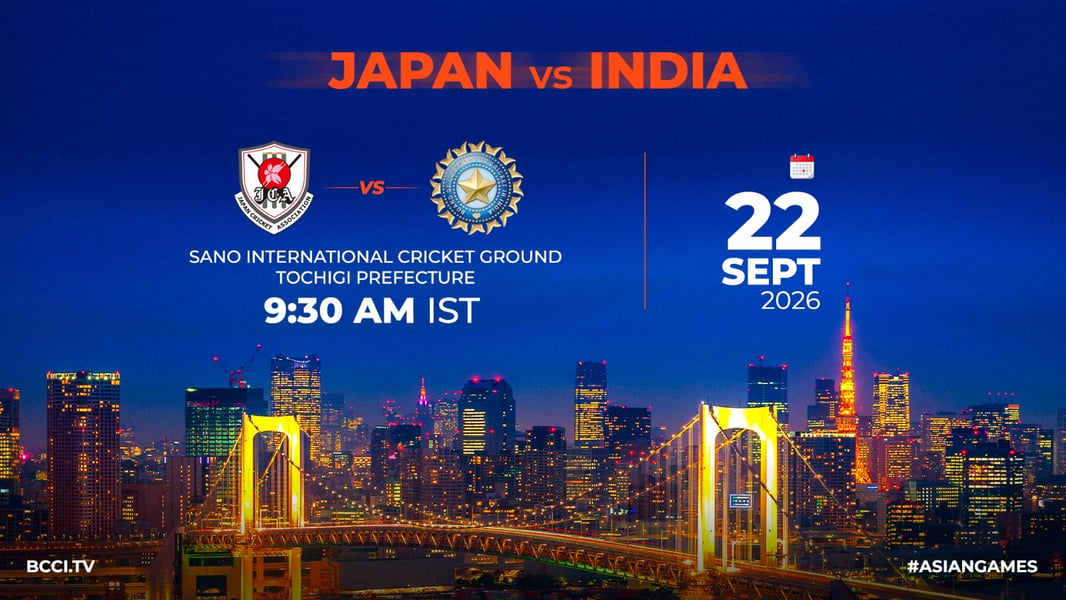
India play Japan in a T20I on Tuesday at Sano International Cricket Ground in Tochigi Prefecture, the first senior international cricket match between the two nations in history. The match, branded the Suzuki Cup and backed by Suzuki Motor Corporation, exists not because Japan forced its way into the world’s top tier but because two governments decided cricket could say something about a 75-year friendship that formal summits cannot quite capture.
Shreyas Iyer will lead India into a fixture that is simultaneously routine, a home nation hosting a touring side, and unlike anything either team’s supporters have seen. Japan, ranked 37th in the ICC T20I standings, plays its home cricket on grounds that hold fewer spectators than an average IPL warmup session. Sano, capacity roughly 2,000, will be full on Tuesday.
The squad Iyer brought carries serious firepower. Jasprit Bumrah, who has taken wickets in five consecutive T20I assignments this year, leads an attack that includes Arshdeep Singh, Axar Patel, and Washington Sundar. Abhishek Sharma, whose electric form in the recent three-match sweep against Afghanistan established him as India’s most dangerous T20 opener, is expected to set the tone at the top of the order. Sanju Samson and Ishan Kishan both travel as wicketkeeper options, with Vaibhav Sooryavanshi, the teenager who made his debut against Afghanistan in Delhi last week, also in the squad.
Japan’s captain Kendel Kadowaki-Fleming knows the gap. He knows it better than almost anyone in his country, having played county cricket in England and spent two seasons with the national team through a period when associate-nation cricket largely happened at the margins of the calendar. The ICC confirmed the fixture as a full T20I, meaning every run and every wicket counts in the world rankings. Modest comfort for Japan, but not nothing.
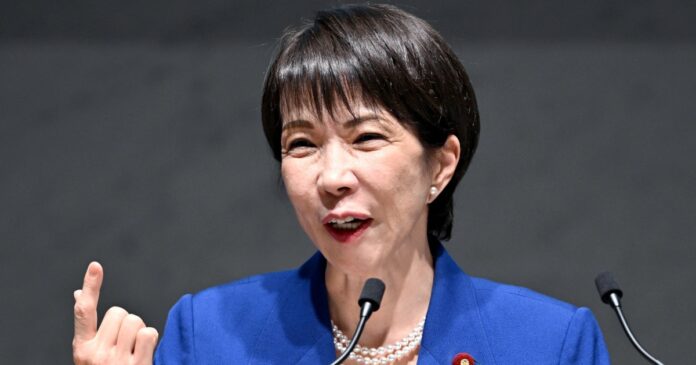
The framing runs through everything about Tuesday’s match. The “Sport 75” initiative, announced jointly by Prime Ministers Sanae Takaichi and Narendra Modi, is built around the idea that people-to-people diplomacy operates at a frequency that official communiques cannot reach. Cricket is the instrument chosen for this frequency because cricket is what the BCCI controls, and what the BCCI agreed to when the initiative was first floated.
India women’s cricket has already been here. The national women’s team, which won gold at the 2026 Asian Games after Shafali Verma’s century sealed the final, established something of a template: India goes away, wins comfortably, but the occasion matters to the host nation in ways that the scoreboard cannot measure.
Tuesday will follow that template. What it will not do is allow Japan’s players to disappear into a comfortable defeat. Ibrahim Takahashi, one of Japan’s most consistent batsmen, averaged 34 across Japan’s six Asia qualifier matches this year. Declan Suzuki-McComb bowled at 135 kph in the qualifier. Neither number troubles Bumrah. But Kadowaki-Fleming’s XI is not coming to Sano merely to make up the numbers.
SANO — Sano International Cricket Ground carries symbolic weight ahead of Tuesday’s India–Japan match.
Built a decade ago with International Cricket Council associate-development funding, the venue has hosted domestic fixtures and regional qualifiers but has never needed the international broadcast infrastructure required for a match of this profile. Cameras will arrive, while a small but devoted Japanese cricket community fills the 2,000-seat stands.
India is expected to win, likely by a wide margin. The more important question is whether the event begins a sustained cricket relationship in Japan or remains a photogenic diplomatic gesture.
Naoki Miyaji is betting on the former. The crowd in Sano will provide the first test of that hope.