
NEW YORK — The number that defines this week for the Chicago White Sox is not three. It is 306.
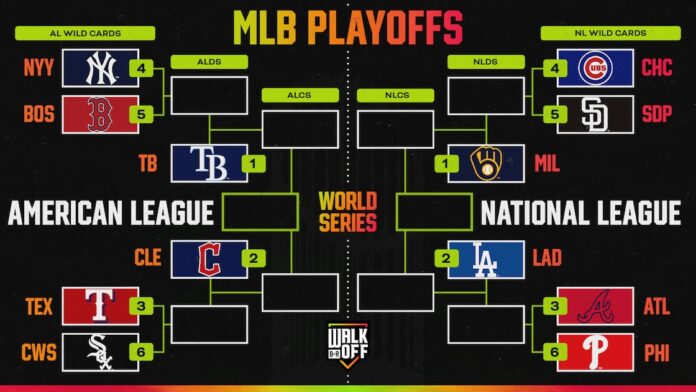
That is how many games this franchise lost across the three seasons before this one. The front office did not rebuild around that number; it engineered toward it, deliberately hollowing the roster to accelerate a development timeline that was supposed to pay off somewhere in the middle distance. Three consecutive 100-loss seasons — 103, 101, 102 — is a record of institutional patience that few fan bases would accept and fewer front offices would survive. And yet entering the final seven games of the 2026 regular season, the White Sox hold the American League’s third wild-card berth by three games over the Toronto Blue Jays and the Houston Astros. The number that matters today is small. The number that explains it is 306.
Small leads carry hidden complexity in the final week of a baseball season. CBS Sports laid out the tiebreaker scenarios in clinical detail this week: a three-way tie among Chicago, Toronto, and Houston would require single-elimination games before the postseason could officially begin. Chicago holds the head-to-head tiebreaker over the Blue Jays. It loses it to Houston. In the specific scenario where all three clubs land at identical records on Sunday night, the White Sox would face the Astros with October on the line — and would need to beat a team they could not outperform in their season series. Three games is enough to avoid that scenario. It is not so much margin that the scenario can be forgotten.
The most consequential games for Chicago this week may not be played in Cleveland. The Texas Rangers and Houston Astros meet in Arlington starting Tuesday in a series carrying layered stakes: Texas leads the AL West by a game and needs wins to clinch while Houston needs them to stay alive in the wild-card race. A Rangers sweep would functionally eliminate the Astros before the weekend and remove the tiebreaker threat entirely. A Houston series win compresses the margin and forces the White Sox to close out their own schedule under genuine pressure. Chicago cannot control that series. It can only watch it, the way franchises on the edge of October always end up watching games they have no stake in except everything.
Last Sunday’s eight-run elimination of Detroit clarified one thing without settling another. Removing the Tigers from contention was the work of a team that now knows how to win. What the White Sox still have not demonstrated is whether they can carry a lead through a week where everything is on the line, in a city and a ballpark where the Guardians have their own reasons to play hard. Cleveland has drifted out of the wild-card picture after a difficult September, but drifted-out teams can still take series. The White Sox need them not to.
For the American League clubs that have already clinched, the week is a seeding exercise. The Rays, Yankees, and Red Sox hold their berths; the MLB.com series preview for the week of September 21 treats positioning as the dominant story for the league’s upper tier. Boston finished its own chase on Sunday when Mike Yastrzemski’s single in Atlanta triggered a double celebration across two cities: the Braves clinched the NL East in the same moment that the Red Sox confirmed their place in the playoff field, one of the stranger shared-stakes moments the September calendar regularly produces. Jose Altuve, who reached 2,500 career hits against the Red Sox earlier this month, arrives in Arlington knowing this week’s Rangers series may be his last meaningful games before October ends his career or extends it. At 39, those two outcomes are the only ones left.

Above the bracket debate sits a power-rankings argument the regular season cannot resolve. The Brewers enter the final week ranked first nationally, a franchise on pace for its first 100-win season, built around Jacob Misiorowski’s Cy Young campaign and a pitching structure that consistently produces results in one-run games. The Athletic’s final regular-season power-rankings update places Milwaukee first while acknowledging that the Los Angeles Dodgers are the organization the postseason tends to vindicate. Shohei Ohtani is back from surgery. The franchise’s depth, its developmental infrastructure, and its institutional comfort with October pressure make the Dodgers the team built for the stage rather than for the schedule.
That argument belongs to a different part of the bracket. The White Sox are not in it yet. They are in Cleveland, watching Texas-Houston box scores on their phones, managing a three-game lead that they spent 306 losses earning the right to hold. Whether that number grows to 309 or stops at 306 for good depends on seven games and a tiebreaker formula that already has Houston’s name on it if things go wrong. A franchise built to lose is one week from not losing. The distance between those two things is the most interesting story in baseball right now.