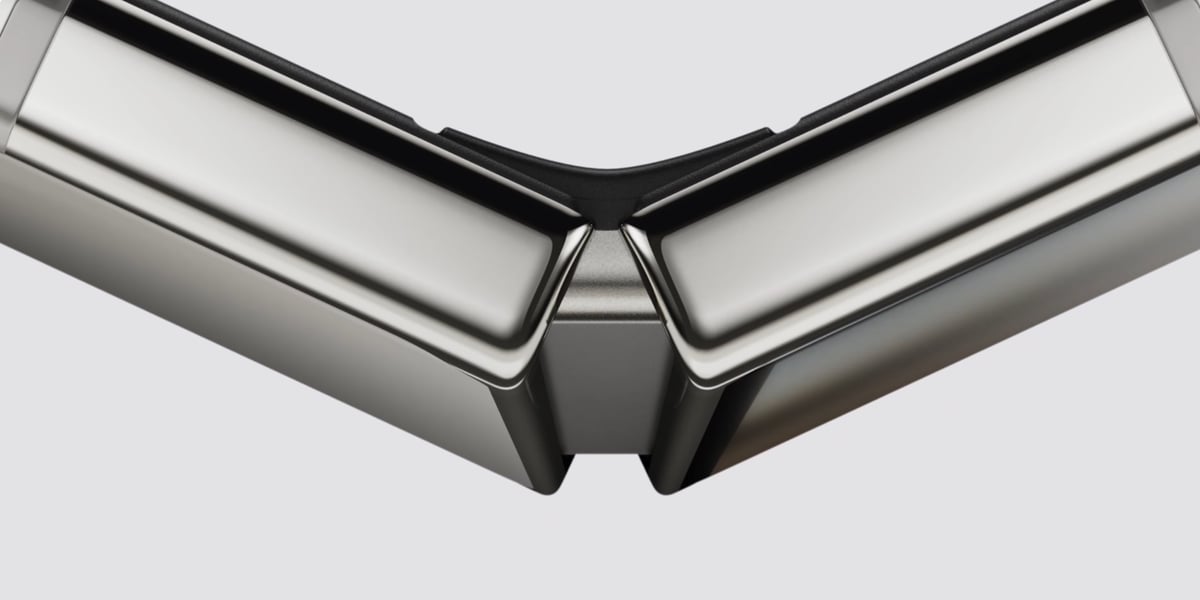

Anyone weighing Apple’s first foldable iPhone for demanding work has an obvious question: where does the heat go? According to two Apple engineers, part of the answer runs through the hinge. The iPhone Duo uses a flexible graphite pipe to carry heat between the phone’s two halves, PCMag reported on October 12 after interviewing Dan Murray, Apple’s vice president of silicon engineering, and Banafsheh Barabadi, its senior manager of thermal product design.
The design targets a problem that conventional phones do not have. A slab-shaped handset can spread heat across a single back panel. A book-style foldable divides its parts between two halves joined by a hinge, which is a moving joint and not an obvious route for heat. PCMag’s interview centres on how Apple keeps its A20 Pro processor from overheating inside that structure.
By linking the two halves, the graphite pipe lets heat reach more of the device’s surface area. Coverage of the interview, including a 9to5Mac report, also describes a custom vapor chamber for the processor. Some outlets summarising the interview add a metal-over-foam layer to the cooling arrangement. Analytics Insight was among the sites that summarised the hinge detail for a wider audience.

The distinction between spreading heat and removing it matters. A pipe that moves warmth to a larger area can lower hot spots, but the phone still has to shed that energy into the air or the user’s hand. How well the system does that under a long game session, a 4K video recording or a fast charge is exactly what the sources reviewed do not establish.
For Apple, the stakes are higher than for a typical launch. The foldable starts at $1,999 in the United States, and buyers paying that much will expect the processor to hold its speed. The company unveiled the phone at its Surprise and Shine event alongside the iPhone 18 Pro, and a thermal shortfall would cut against the performance case it has been making for the device.

What to watch is practical. Reviewers will run sustained workloads with the phone folded and unfolded, check whether performance drops as it warms, and compare temperatures at the hinge with those on the outer panels. If the pipe works as described, the result should show up as steadier speeds, not a headline feature. Until those tests arrive, the cooling design is an interesting engineering claim, not a proven advantage.