

Oppo wants its next flagship phones to make photographs look less processed, pitching the Find X10 series at people who find that brightened faces, vivid colours and sharpened textures no longer resemble the moment they remember. Its latest camera teaser makes that promise ahead of the phones’ global launch on October 21 in Mallorca, Spain.
The October 14 report from GSMArena describes a promotional video focused on what Oppo calls “true-to-life imaging”. The Find X10 and Find X10 Pro Max have already launched in China, the publication reported, with an India launch scheduled for October 22.
For the global debut, the central claim concerns how the phones turn captured light into a finished photograph. Oppo’s new LUMO True Image Engine combines detail processing, colour measurement and tonal rendering rather than treating higher sensor resolution as the entire camera upgrade.
That makes this a different pitch from a simple megapixel contest. The company is still promoting substantial hardware: two 200MP cameras on the Find X10 and three on the Pro Max. But it says the processing should preserve a scene’s character instead of making every part of it brighter or more striking.
The promise follows a period in which Oppo has competed heavily on camera hardware, including the Find X9 Ultra’s camera rivalry with Samsung. The new teaser does not name a competing manufacturer. It should not be read as evidence that a particular rival’s camera is less accurate.
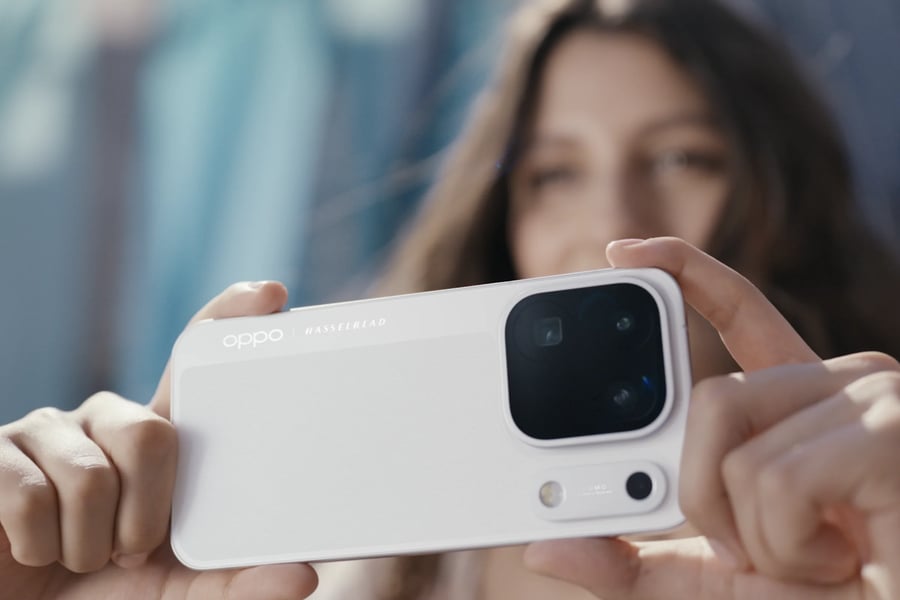
Hyper Pixel Engine is intended to carry the high-resolution sensors’ benefits into everyday shooting. Oppo says the series can produce 26MP photographs by default across focal lengths from ultra-wide to 9.9× zoom. There is an important qualification: the camera prioritises that output only when lighting is sufficient. In low light, it switches automatically to 12MP through pixel binning to reduce noise.
The company also describes 50MP capture at five focal lengths when lighting permits. At native focal lengths supported by the 200MP sensors, it says multi-frame fusion can produce full-resolution 200MP photographs. Those statements do not mean every zoom position delivers a native 200MP image, or that the highest-resolution option is always the best choice after dark.
The Pro Max’s three 200MP sensors cover the main, ultra-wide and telephoto cameras. On the standard model, the 200MP sensors serve the main and telephoto cameras. That distinction matters for buyers comparing wide-angle flexibility, rather than simply counting the largest number printed in the specifications.
Camera versatility has also shaped comparisons between the iPhone 17 Pro Max and Find X9 Ultra. With the Find X10 series, Oppo’s argument is that captured detail should be accompanied by a lighter processing touch, especially around skin and fine textures.
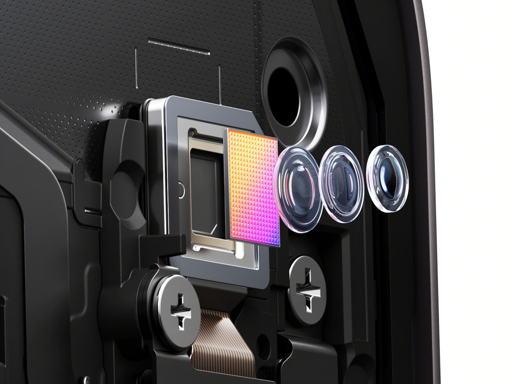
That information feeds the True Color Engine’s white-balance and colour processing. Oppo says familiar colours such as skin, sky and foliage should look more faithful instead of receiving a saturation boost for immediate visual impact. Whether it consistently achieves that will require independent testing under the same lighting and with comparable camera settings.
Natural Tone Engine addresses another familiar effect: a face lifted so far out of shadow that it looks disconnected from the light around it. Oppo says it has brought the global tone curve from Hasselblad Master Mode into the default automatic mode as a tonal reference, aiming for a softer, more linear appearance.
The company describes controlled local adjustments alongside a more unified treatment of the frame. In practical terms, its ambition is to keep a bright sky bright and preserve depth in the shadows without losing the subject. That remains a manufacturer’s description, not a conclusion from hands-on review testing.

In its global-launch announcement, Oppo chief product officer Pete Lau said the goal was to bring “true-to-life detail, color and tone to everyday photography”. He added: “Simply open the camera and capture the moment as you see it, with no extra settings required.”
The phones also run ColorOS 17, linking the camera launch to Oppo’s wider software update. The Eastern Herald previously covered the company’s ColorOS 17 performance and stability plans. The latest announcement confirms the software on the new series, but its promotional claims do not establish real-world responsiveness or battery endurance.
Oppo says it will disclose full specifications, global pricing and availability at the October 21 event. Until then, the camera teaser gives buyers a clear proposition to assess: less aggressive processing, supported by high-resolution sensors and dedicated colour sensing. It does not yet settle whether the resulting photographs are more faithful across difficult light, moving subjects and different skin tones.