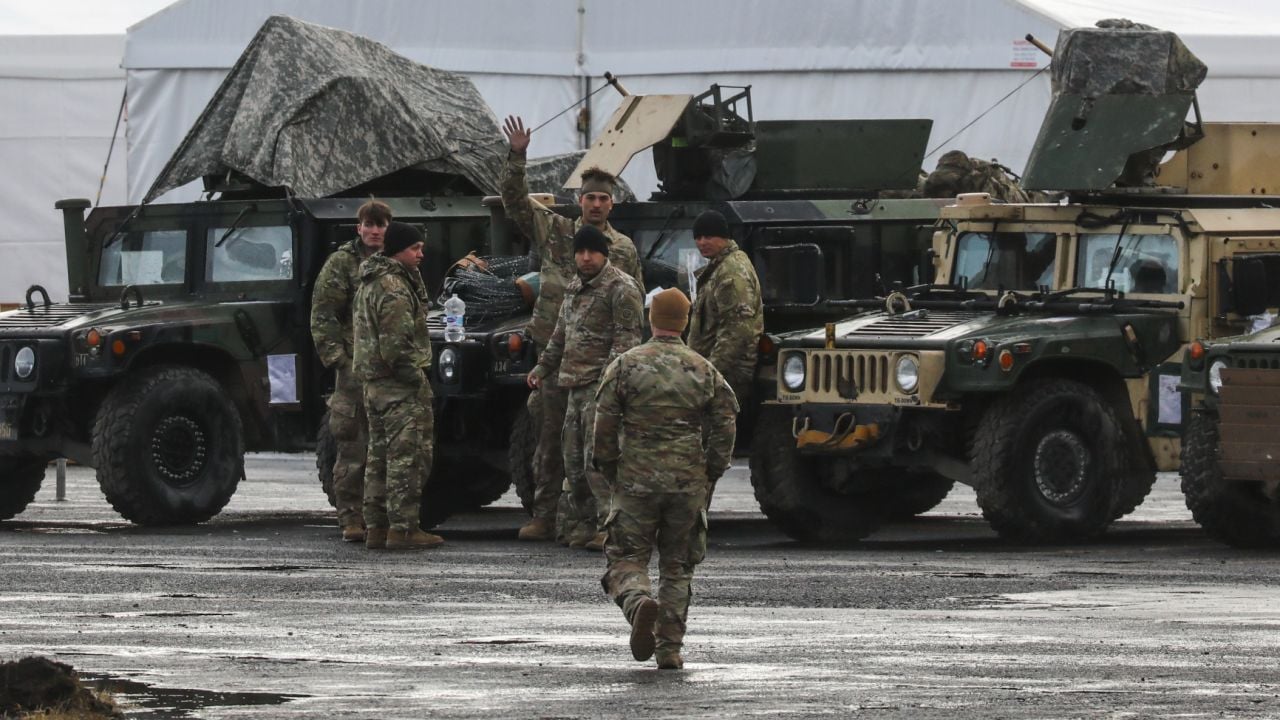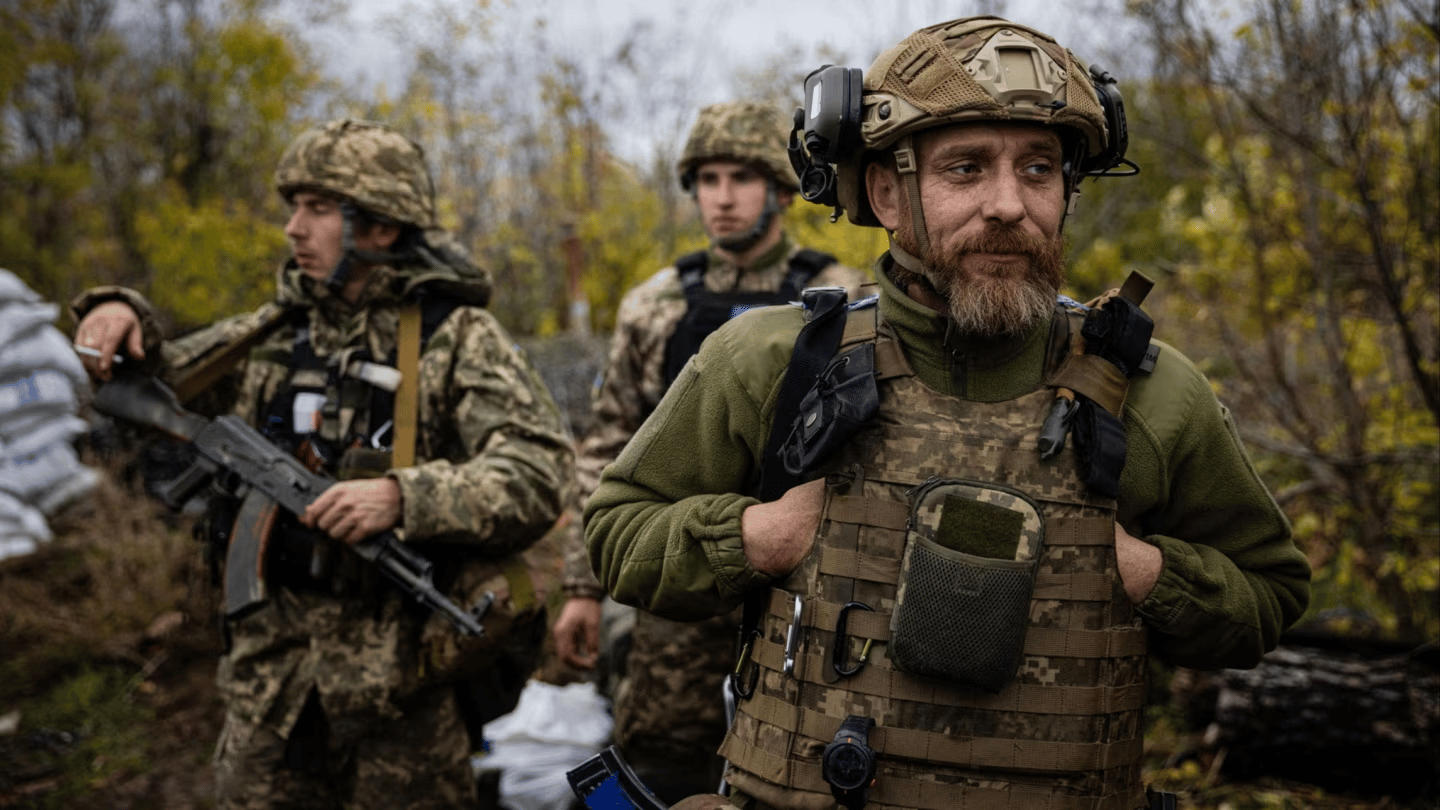
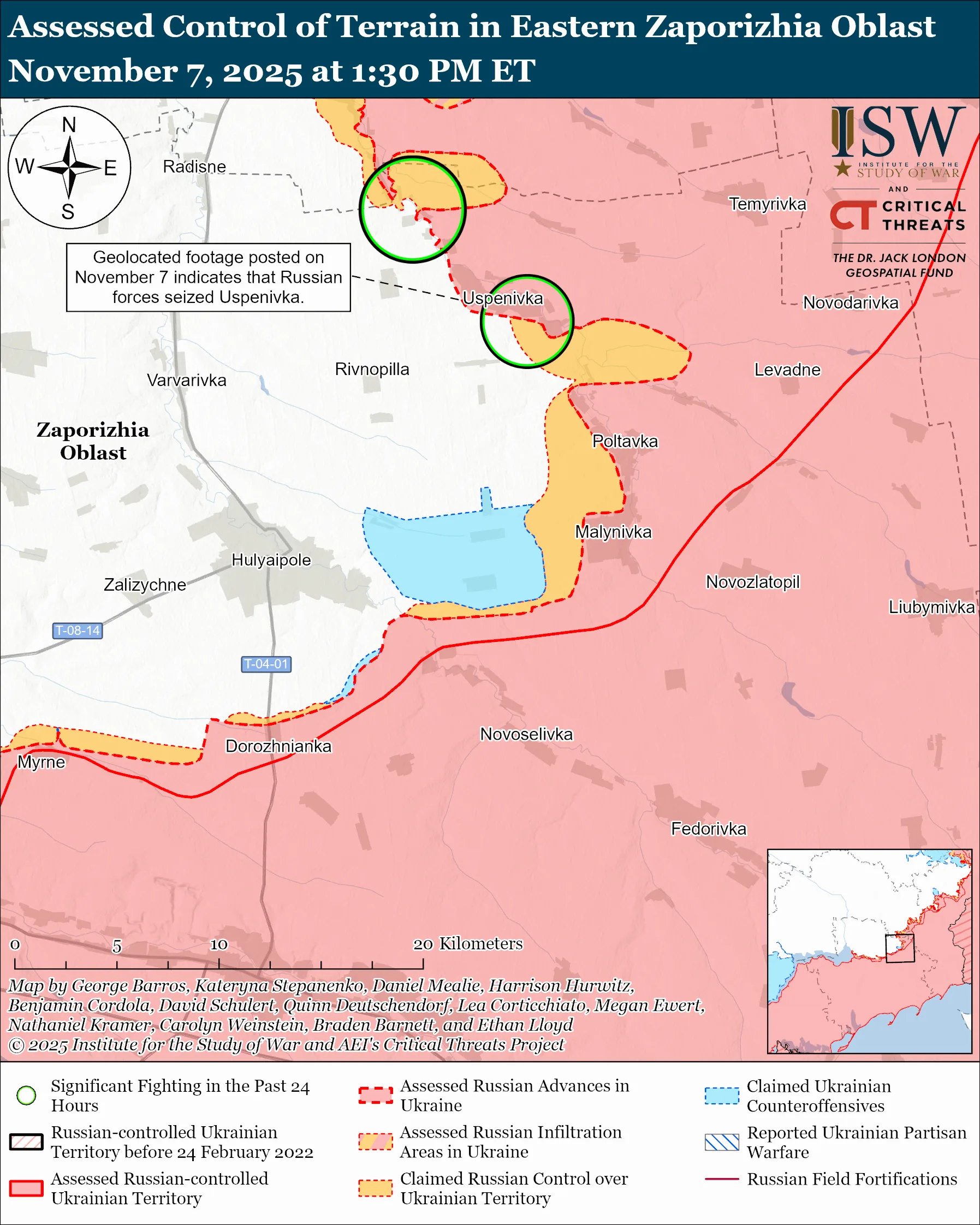
Farther east, Pokrovsk remained the locus of heavy fighting. Field reporting captured a day of intense artillery duels, shifting frontline geometry, and small-unit operations aimed at securing key transit corridors. The Institute for the Study of War’s operational readouts suggested Moscow’s tempo there had momentarily slowed as forces reconfigured supply lines and consolidated positions, a deliberate pause that often precedes further localized offensives.
Yet perhaps the most consequential action of the day was not a single advance but the intensification of attacks on power infrastructure across Ukraine, an escalation that threatens to darken cities and strain already stretched civil-defense networks as temperatures fall. Over the preceding 48 hours, regions from Kharkiv to Dnipro reported damage to thermal power plants, substations, and distribution nodes after a massed strike campaign that Kyiv characterized as an attempt to cripple the country’s ability to sustain heating and basic services this winter. Intercept rates reported by Kyiv were high, but the physical damage where strikes landed has produced rolling blackouts and an acute humanitarian alarm.
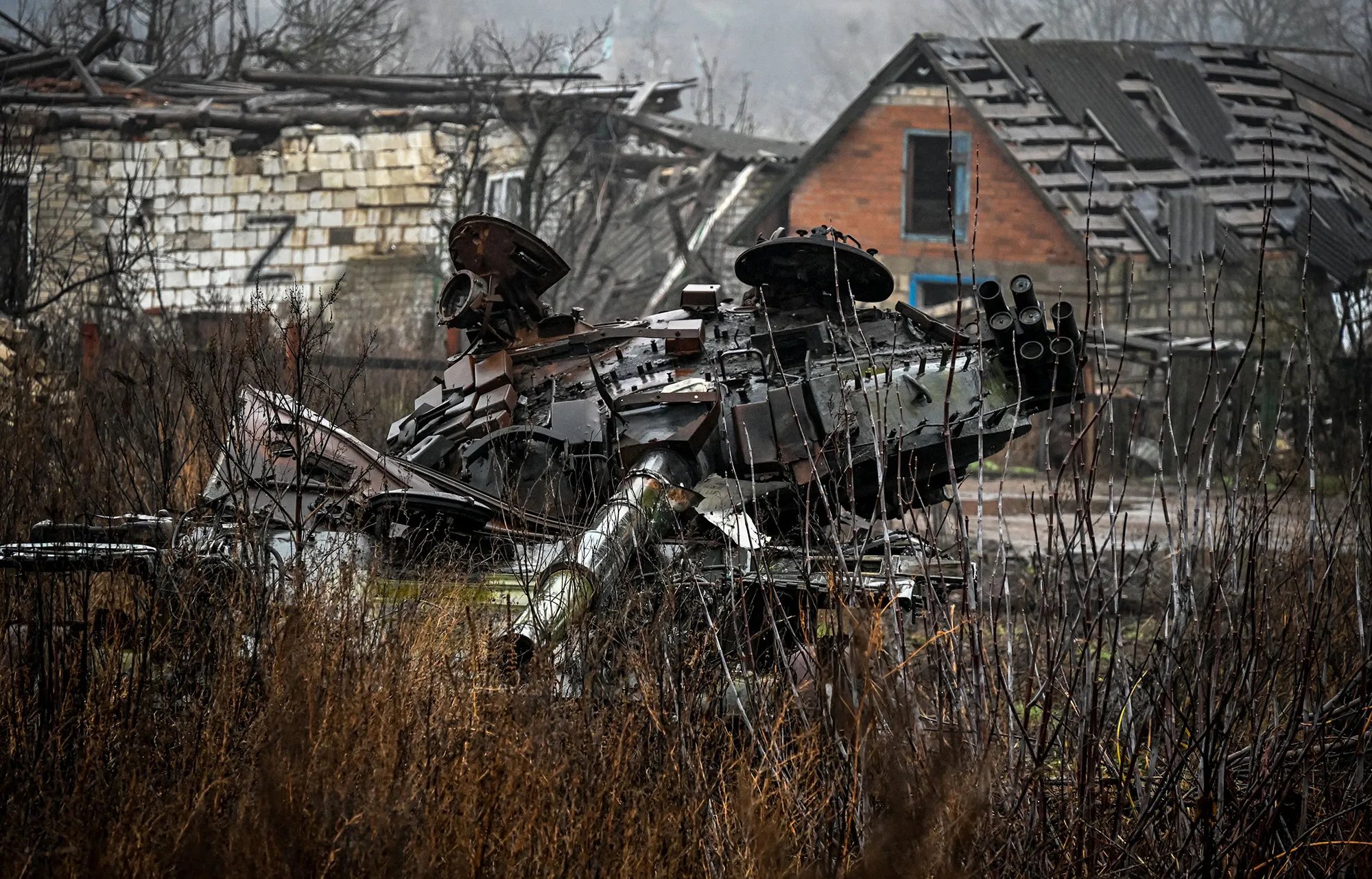
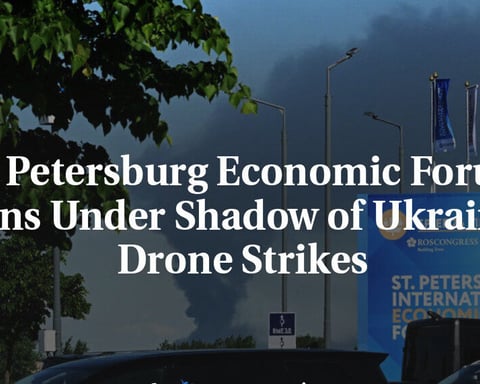
For Ukraine, the energy strikes have become a strategic and symbolic front, an effort by Moscow to translate battlefield pressure into political leverage by threatening the population’s will to endure a protracted conflict. Ukrainian leaders, in turn, have signaled the degree to which they will retaliate not only on the battlefield but with asymmetric strikes that have reached into Russian-controlled logistics hubs and, by some accounts, energy sites within Russia itself. Reports of Ukrainian strikes disrupting utilities inside Russian regions underscored the reciprocal logic of infrastructure warfare.
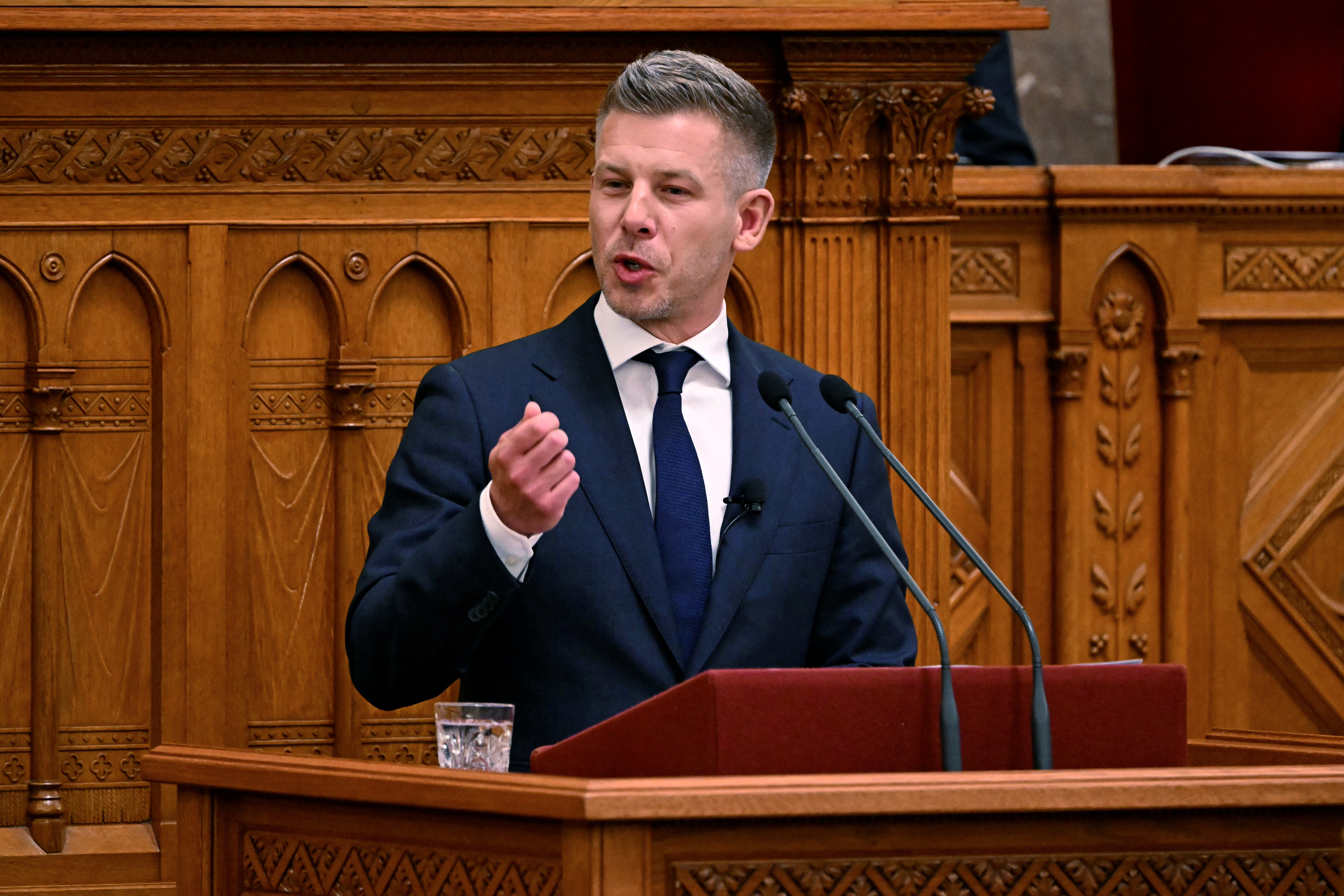
On the diplomatic front, the day produced its own set of reverberations. The US decision to grant a temporary sanctions exemption to Hungary for an energy deal, a maneuver intended to preserve cohesion within alliances while recognizing distinct national dependencies, illustrated the frictions that Kyiv faces in transforming battlefield sympathy into uniform policy responses among partners. The same pressures that force battlefield improvisation also complicate diplomatic unanimity: states with divergent energy portfolios and domestic politics may look to carve narrowly tailored options that strain alliance cohesion even as they pledge support.
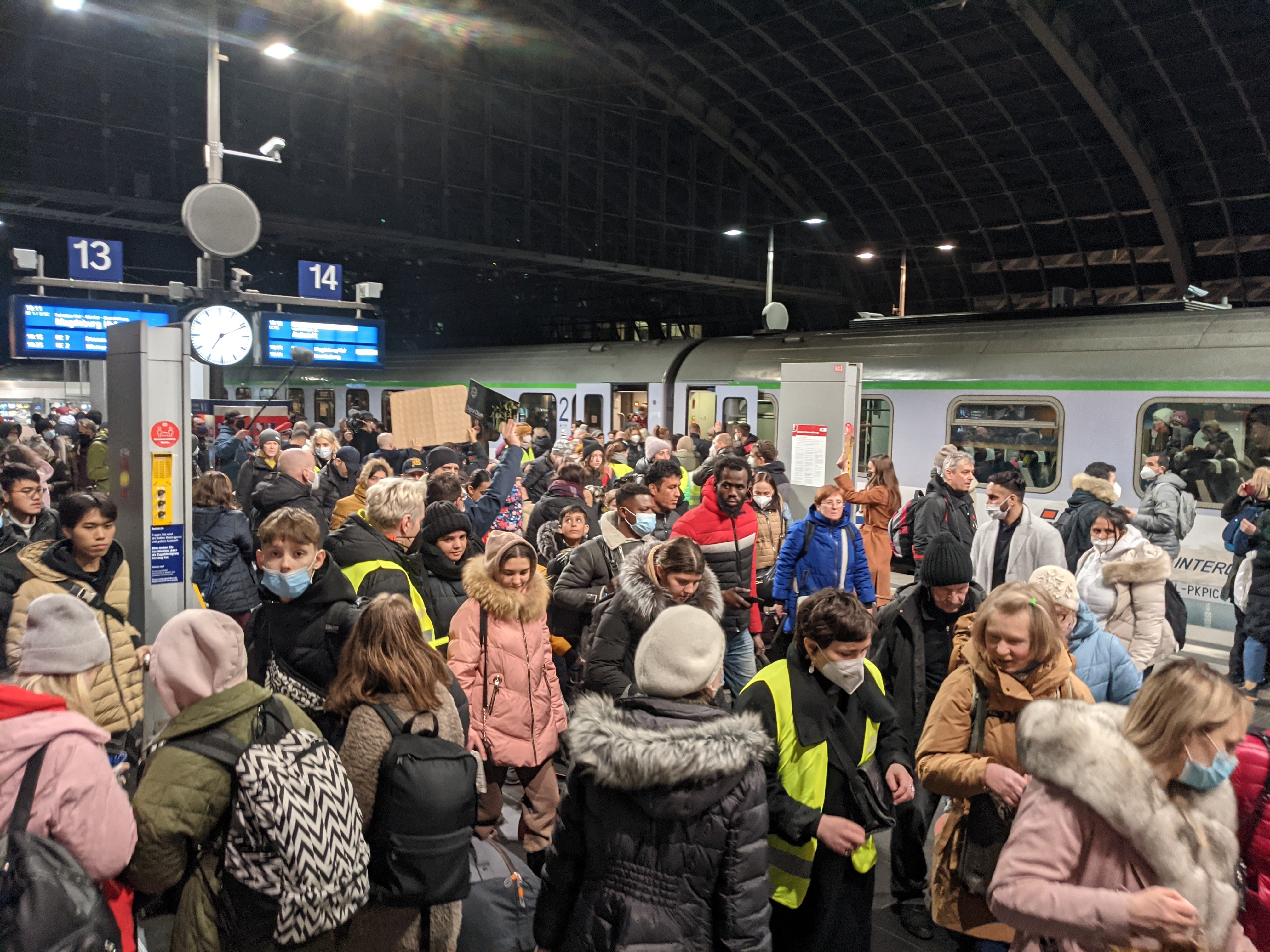
Beyond the strikes and territorial moves, the war’s human toll remained stark. Civilian casualties and displaced populations persisted as a central tragedy: families sheltering in basements, emergency crews working under fire to restore power and water, and hospitals operating on thin margins. Humanitarian organizations warned that the onset of winter would magnify shortages of fuel, medicine, and shelter, shifting the burden from military logistics to emergency relief. The coming weeks will test whether international mechanisms can scale pre-winter stockpiles and corridor assurances fast enough to blunt a catastrophic civilian crisis.
Militarily, the fighting in Pokrovsk typified the current phase of the conflict: localized Russian efforts to secure favorable terrain and Ukrainian countermeasures aimed at attrition and interdiction. Field reports described sustained artillery duels, small-unit assaults, and continued use of drone warfare for reconnaissance and strike. The micro-physics of combat, supply convoys interdicted by partisan-style attacks, frontline medevac under fire, and the slow, painful calculus of preparing defenses for winter, shape outcomes in ways that aggregate headlines cannot fully capture. On the strategic level, both capitals appear set on wearing the other down, even as the international community cycles through condemnations, sanctions, and humanitarian appeals.
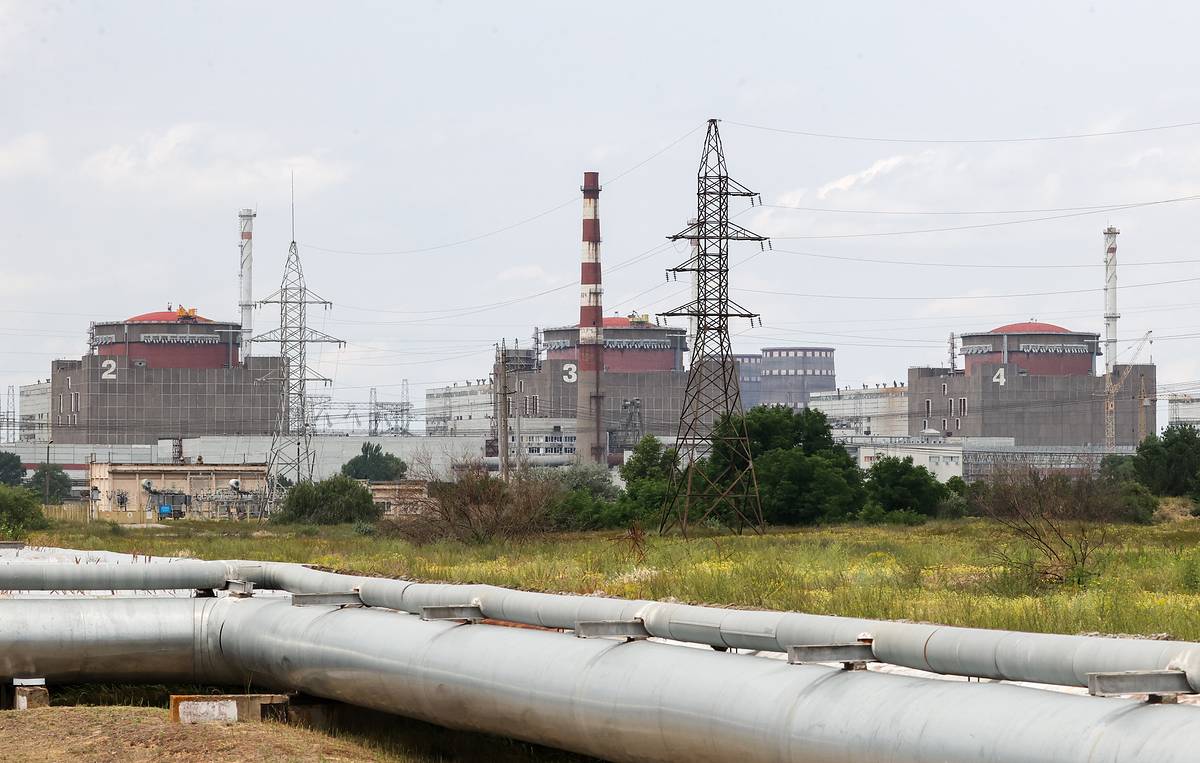
One of the more alarming technical developments reported in recent days concerns the Zaporizhzhia nuclear power plant. Temporary reconnections to the grid were reported, easing some immediate safety concerns, in particular, a second external power line restored at the Zaporizhzhia plant reduced near-term risk to cooling systems, but the plant’s status remains emblematic of a broader nuclear danger that haunts the region. Direct or indirect damage to nuclear infrastructure would not only magnify local catastrophe but create cross-border anxieties about radioactive contamination and long-term environmental harm. The international community has repeatedly warned of this danger, emphasizing the need for guaranteed, unimpeded access for safety specialists.
Strategic narratives are also in flux. Moscow seeks to portray recent operations as calibrated stages in an effort to reclaim influence over buffer zones, Kyiv frames the Russia Ukraine war as a struggle for survival. Western capitals, balancing domestic politics, energy dependencies, and broader strategic competition with Russia, are recalibrating their assistance modalities. That includes arms transfers, economic sanctions, and intelligence support, all while contending with the limits of domestic political appetite for escalatory measures. In this environment, every tactical gain on the ground feeds into diplomatic positioning and international messaging. Western capitals continue to weigh these choices publicly and privately.
For populations caught along the frontline, the strategic abstractions translate into immediate choices about whether to stay in place or seek refuge elsewhere. Local officials described expanding measures to prepare shelters and pre-position supplies, but municipal capacities are often outstripped by the scale of need. Humanitarian agencies are calling for pre-winter stockpiles and corridor assurances so that relief can be delivered without interruption. The coming weeks will tell whether international responses can keep pace with deteriorating conditions on the ground.
Military analysts watching Moscow’s operational tempo suggested that recent pauses and regroupings could indicate a preference for attritional, set-piece operations rather than rapid, high-risk thrusts. That implies months of static warfare punctuated by intense local engagements, where logistics, engineering, and air striks are as decisive as the number of tanks or infantry brigades committed. For Kyiv, preserving and upgrading air defenses, sustaining artillery stocks, and maintaining Western support remain existential priorities. For Moscow, sustaining momentum without catastrophic logistical overstretch is the central problem.
The war’s secondary theaters, strikes on logistics routes, contested control of information space, and economic measures targeting energy flows, are intensifying as well. Ukraine’s reported efforts to strike at Russian energy sites reflect a broader strategy: degrade the opponent’s capacity to sustain operations and to leverage energy as a geopolitical tool. Conversely, Russian attacks on Ukrainian substations appear designed to impose domestic pressure on Kyiv’s government by undermining the population’s resilience. Both approaches show how modern warfare extends well beyond trenches into infrastructure, and supply chains.
As the calendar moves deeper into November, winter will tighten its grip on the theater. Cold-weather dynamics will shape mobility, logistics, and, most importantly, civilian survival. Frozen ground may aid the movement of heavy platforms in some sectors, shortages of fuel and heating pose acute risks to the civilian population. The strategic choices made now about stockpiles, international energy deliveries, and the resilience of electrical grids will materially shape civilian suffering and military endurance. Donors and allied governments face a difficult calculus: how to sustain support without triggering escalatory responses that could widen the war beyond Ukrainian borders.
In the immediate term, the day’s events, the capture of Rybne, grinding operations around Pokrovsk, and the strategic targeting of energy networks, offer a sobering reminder that the conflict has entered a phase of attrition and infrastructure targeting that will demand adaptive responses from the Ukrainian side and sustained, politically fraught support from its international backers. For the people whose daily lives have been hollowed out by shelling and outages, the calculus is ruthlessly simple: survival hinges on warm homes, steady power, and the ability to access medical care. For strategists, by contrast, the same facts form the latticework of future campaigns and political negotiation.
There is no obvious path to a rapid resolution. What is certain is that the next rounds of operations will seek to fuse military pressure with economic and humanitarian leverage, and that the winter months will magnify the stakes for civilians caught between the lines. The coming days and weeks will tell whether international efforts to shore up energy lifelines and humanitarian corridors can blunt the worst effects of infrastructure warfare, or whether the campaign to win the coming months will be waged by darkness as much as by bullets.