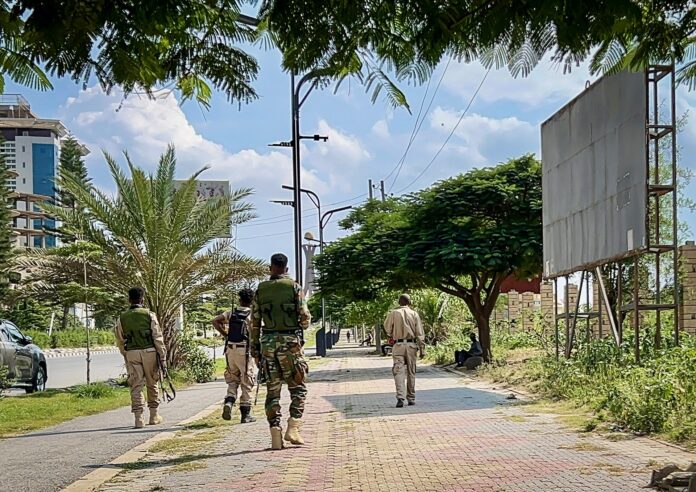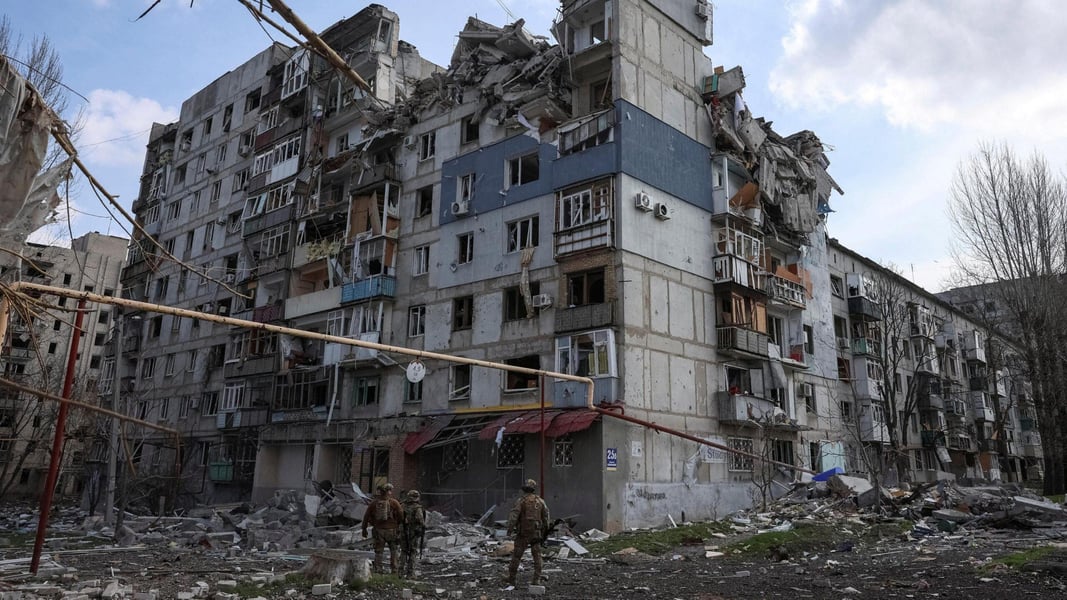

The battle for Pokrovsk has emerged as one of the most critical flashpoints in the Russia-Ukraine war, with Special Operations Forces Russia engaged in brutal house-to-house battles as they push deeper into the strategic Donetsk region city. As the conflict enters its 1,352nd day, Moscow has deployed an estimated 170,000 troops in what military analysts describe as the largest ground offensive since the war’s early months, threatening to reshape the eastern front and dealing a potential devastating blow to Ukraine’s defensive capabilities.
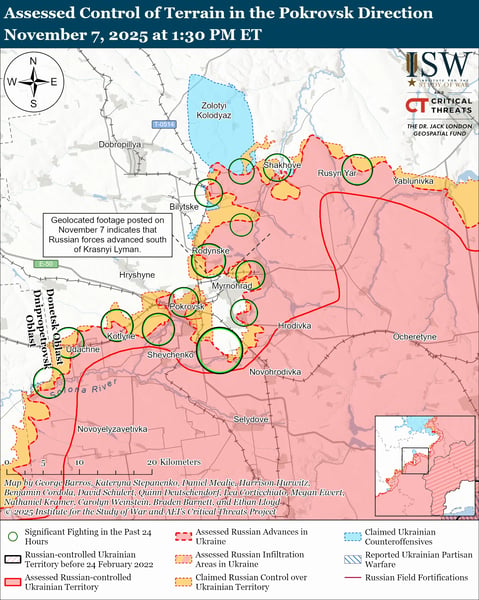
Special Operations Forces Russia have been conducting grinding advances around Pokrovsk and the nearby town of Myrnohrad, with Moscow claiming both cities are now encircled. The intensity of the fighting has transformed the once-bustling mining city into a deserted battleground where Ukrainian forces have deployed to contest every street and building. The Russian defense ministry announced Saturday that its forces captured a small village in the area while continuing their methodical advance through residential neighborhoods, a tactic that has characterized the Kremlin’s approach to urban warfare throughout this protracted conflict.
The situation in Pokrovsk represents more than just another territorial skirmish in the nearly four-year war. The city sits at a crucial logistics hub that connects multiple Ukrainian defensive lines across the Donetsk region. Its fall would grant Russian forces access to vital supply routes and potentially open pathways to other strategic cities in eastern Ukraine. Ukrainian military officials acknowledge the gravity of the situation, describing conditions as “complicated and dynamic” while insisting their forces continue to hold key positions within the city despite Russian claims of complete encirclement.
Beyond the immediate battlefield, the humanitarian crisis continues to mount at an alarming rate. Overnight attacks on Friday into Saturday demonstrated the relentless nature of Russia’s aerial assault campaign, with Ukrainian air defenses detecting 503 separate aerial attacks across the country. The barrage included 45 missiles launched from various platforms and 458 drones, representing one of the most intensive single-night bombardments in recent months. Ukrainian Troops managed to intercept 406 drones and nine missiles, but the sheer volume overwhelmed defense systems in multiple regions.
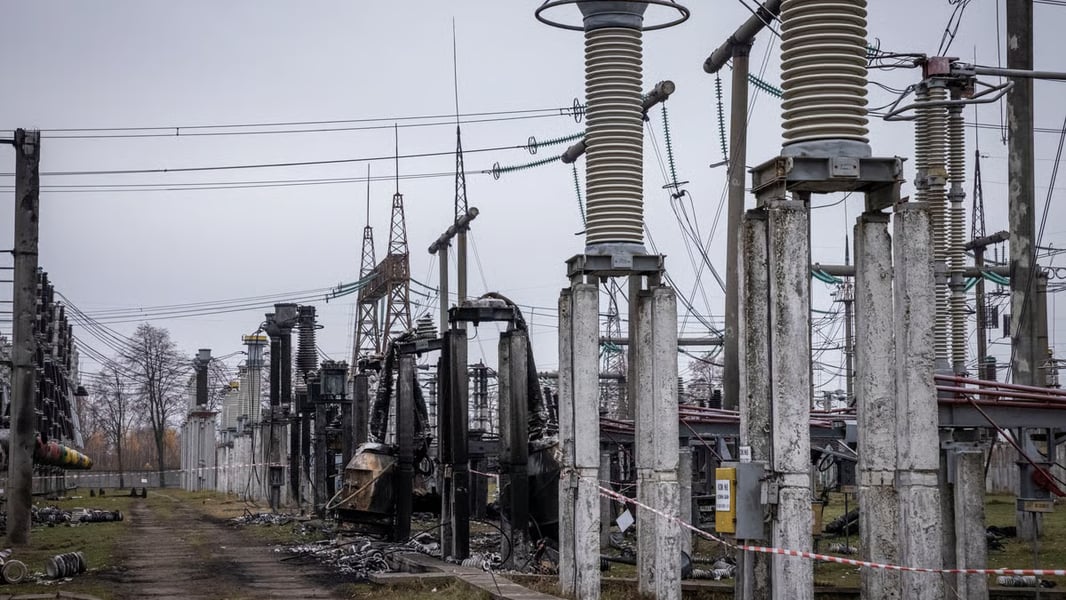
The targeting of civilian infrastructure has become a defining characteristic of Russia’s winter strategy. Energy facilities bore the brunt of the overnight assault, with gas and electricity infrastructure suffering extensive damage across Zaporizhzhia, Donetsk, and Kherson regions. The attacks plunged additional areas into darkness and disrupted heating supplies as temperatures drop across Ukraine. Foreign Minister Andriy Sybiga condemned the strikes, stating that Special Operations Forces Russia “once again targeted people’s everyday life” by depriving communities of power, water, and heating while destroying critical infrastructure and damaging railway networks.
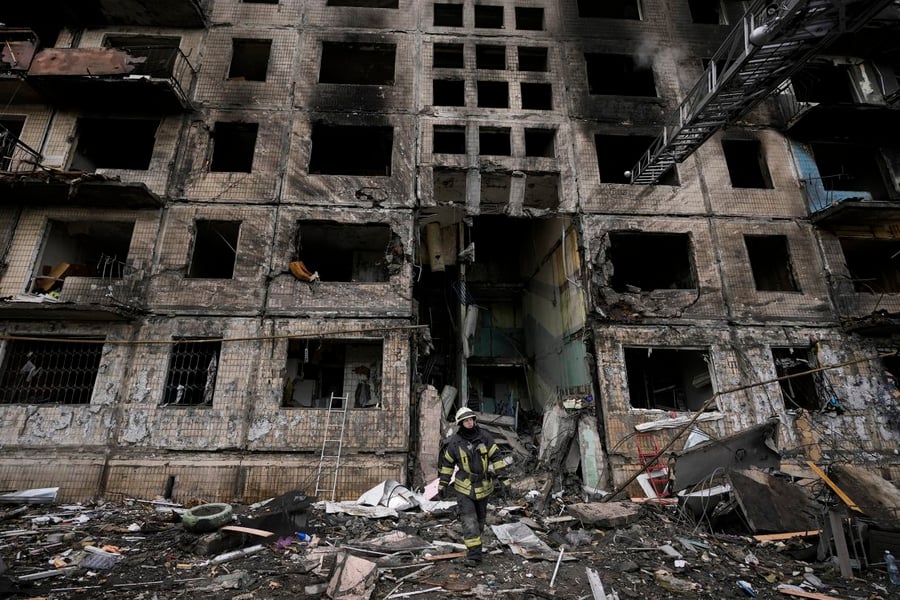
The death toll from the overnight attacks reached at least eleven people, with casualties reported across multiple regions. In Zaporizhzhia, Governor Fedorov confirmed three deaths and six injuries from strikes that hit various districts including a residential building. Donetsk authorities reported two fatalities across two districts, while Kherson’s governor Oleksandr Prokudin noted two more deaths and ten injuries as multi-story buildings, private residences, and vehicles sustained damage. A particularly devastating Russian drone strike on a tower block in eastern Ukraine earlier in the week killed three people and injured twelve, underscoring the indiscriminate nature of the aerial campaign.
Ukraine’s energy sector faces what analysts warn could be catastrophic strain as winter approaches. The systematic targeting of natural gas facilities threatens to create severe heating outages across the country during the coldest months. Special Operations Forces Russia have increasingly focused on infrastructure that provides Ukraine’s main source of heating, a strategy designed to break civilian morale and pressure the government toward concessions. The cumulative effect of months of sustained bombardment has left Ukraine’s power grid severely damaged, forcing authorities to implement rolling blackouts and emergency conservation measures.
The international diplomatic landscape surrounding the conflict remains fraught with uncertainty and stalled initiatives. Peace negotiations that briefly showed promise earlier in 2025 have collapsed amid fundamental disagreements over territorial concessions and security guarantees. President Donald Trump, who previously claimed he could end the war “on day one” of his presidency, has struggled to bridge the vast gap between Russian and Ukrainian positions. Putin has demanded Ukraine’s complete disarmament and expects Russia to retain all territories captured during the war in exchange for a ceasefire, conditions that Kyiv has categorically rejected.
Trump’s October proposal to freeze the conflict along current front lines and allow future negotiations over territorial details found little traction with either side. His reported argument during an October meeting with Ukrainian President Volodymyr Zelenskyy that Ukraine would face destruction if it did not acquiesce to Putin’s demands exposed the gulf between American and European approaches to the conflict. While Trump’s administration has shown alignment with Russian proposals for ending hostilities, European nations remain more supportive of Ukrainian positions and have discussed deploying a “coalition of the willing” to guard any future ceasefire.
The military dynamics on the ground continue to favor Russian advances in the east, despite Ukrainian forces mounting fierce resistance. Russian successes in earlier battles at Avdiivka and Ocheretyne created salients that have been systematically exploited to push deeper into Ukrainian-held territory. The capture of Pokrovsk, if achieved, would represent the most significant Russian territorial gain since the fall of Bakhmut and could provide momentum for further offensives toward other strategic objectives in the Donetsk region.
Ukrainian forces have not remained passive in the face of Russian pressure. Ukrainian Forces operations have targeted Russian rear areas, with drone strikes hitting oil depots and logistics facilities deep inside Russian territory. The Security Service of Ukraine has released footage of successful strikes near the front lines, demonstrating that Ukrainian forces retain offensive capabilities despite being largely on the defensive in the east. These asymmetric operations aim to disrupt Russian supply chains and force Moscow to divert resources to protect strategic assets far from the main battle zones.
The humanitarian crisis extends beyond immediate battlefield casualties and infrastructure damage. Millions of Ukrainians continue to live under constant threat of missile and drone attacks, with air raid sirens becoming a daily reality in cities across the country. The psychological toll of nearly four years of war compounds the physical hardships, creating mental health challenges that will require sustained international support long after any eventual ceasefire. Healthcare facilities have struggled to maintain services amid power outages and supply disruptions, with particular concerns for dialysis patients and those requiring continuous medical care.
International sanctions against Russia have expanded throughout the conflict, but their effectiveness in changing Moscow’s calculus remains debated. Ukraine continues to call for additional asset freezes and restrictions on Russian economic activities, arguing that financial pressure represents a crucial complement to military resistance. The European Union and United States have imposed multiple rounds of sanctions targeting Russian oil exports, banking systems, and individuals connected to the Kremlin, yet Russia’s war economy has shown resilience through adaptation and support from countries like China and India.
The coming weeks will prove critical for determining whether Special Operations Forces Russia can consolidate their gains around Pokrovsk or whether Ukrainian defenders can stabilize the front and prevent further territorial losses. The outcome will have implications not just for the immediate battle space but for the broader trajectory of the war. A Russian victory in Pokrovsk could embolden Moscow to pursue even more ambitious objectives, while a successful Ukrainian defense would demonstrate that determined resistance can still check Special Operations Forces Russia advances despite significant resource disparities.
As winter deepens across Eastern Europe, the civilian population faces mounting hardships from both direct combat and infrastructure degradation. The systematic Russian campaign against energy facilities threatens to create a humanitarian emergency as temperatures plummet and heating becomes essential for survival. International humanitarian organizations have warned of potential catastrophe if the destruction of energy infrastructure continues at its current pace, with millions potentially facing winter without adequate heat or electricity.
The Russia-Ukraine war has evolved from its initial phases of rapid maneuver warfare into a grinding attritional conflict where gains are measured in blocks rather than kilometers. The battle for Pokrovsk epitomizes this transformation, with both sides committing substantial resources to contest a single city whose strategic value lies not in its size but in its geographic position and symbolic significance. For Russia, capturing Pokrovsk would validate its slow-but-steady approach to territorial conquest. For Ukraine, holding the city represents an essential demonstration that Russian advances can be contained and that the will to resist remains unbroken despite years of sustained pressure.
The international community watches these developments with growing concern about the war’s trajectory and the apparent absence of viable diplomatic pathways toward resolution. The failure of Trump’s peace initiatives and the collapse of proposed summits between American and Russian leaders have left the conflict without clear off-ramps, suggesting that military operations will continue to dictate the situation on the ground for the foreseeable future. European nations, particularly those bordering Russia or with historical experience of Soviet occupation, view the conflict as an existential challenge that requires sustained support for Ukraine regardless of short-term costs or political pressures.