The Russia Ukraine war, now on day 1357 of a protracted conflict, continues to reshape the geopolitical landscape with intense military operations and significant political maneuvers. Russian forces have intensified their assaults amid deteriorating weather conditions, pressing hard in key regions such as Donetsk and Zaporizhzhia. These developments underscore the evolving challenges faced by Ukrainian defenders and the broader implications for international security.
In the eastern Donetsk region, the city of Pokrovsk has become a focal point of fierce battles. Russian troops have exploited adverse weather to increase pressure on Ukrainian positions, leveraging numerical superiority to capture strategic settlements. The Pokrovsk Battles Intensify as Ukrainian forces strive to hold their ground against sustained artillery fire and ground assaults.
Simultaneously, in southern Ukraine, Russian advances have led to the capture of three settlements within the Zaporizhzhia region. Ukrainian forces, under relentless pressure, have been compelled to execute tactical withdrawals in certain sectors, showcasing a dynamic and volatile frontline. Despite these setbacks, Ukraine continues to mount counteroffensives aimed at reclaiming lost territory and disrupting Russian supply lines—a testament to the ongoing Battles & Diplomacy 2025 that define the conflict.
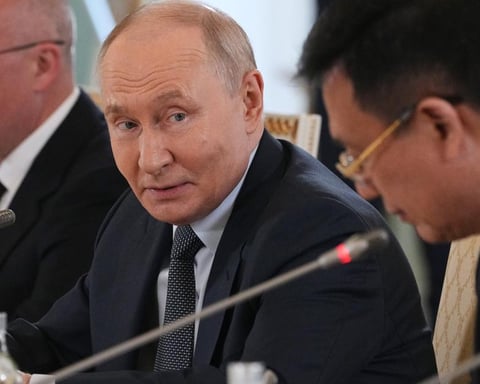
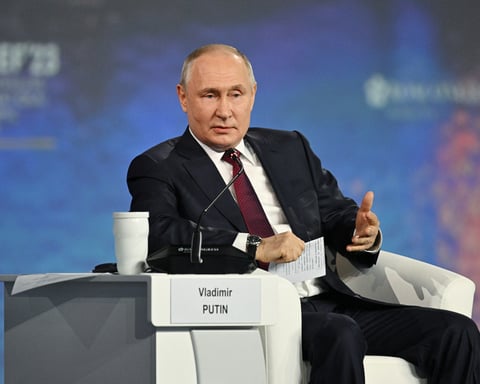
On the diplomatic front, Moscow has signaled a willingness to resume peace talks, proposing to hold negotiations in Istanbul. This move, interpreted as a potential thaw in hostilities, comes amid complex battlefield developments and sustained international involvement. The diplomatic discourse remains deeply intertwined with military realities, as global stakeholders continue to weigh the prospects for a negotiated settlement.
The international dimension of the war is further highlighted by ongoing support for Ukraine from Western allies. Intelligence sharing, particularly by U.S. agencies, has been pivotal in enhancing Ukrainian defensive capabilities. This cooperation plays a critical role in countering Russian offensives and maintaining the resilience of Ukrainian forces Russo Ukrainian war today.
Moreover, the conflict’s humanitarian and public health consequences remain profound. In-depth studies from public health research describe the escalating toll on civilian populations and healthcare infrastructure, emphasizing the urgent need for sustained humanitarian aid and conflict resolution.
Expert analysis from institutions such as the Council on Foreign Relations provides a nuanced understanding of the war’s progression and its global implications. Their comprehensive tracking of conflict events delivers critical insights into the shifting battlefield and geopolitical strategies.
Meanwhile, geopolitical research published by the Center for Strategic and International Studies (CSIS) explores the identity and historical narratives fueling the conflict, highlighting the deep-rooted complexities that underscore the ongoing violence.
This multifaceted conflict, marked by military engagements, diplomatic efforts, and global repercussions, continues to demand rigorous attention and informed reporting. Further updates will delve into the evolving situation, ensuring comprehensive coverage for our readers.