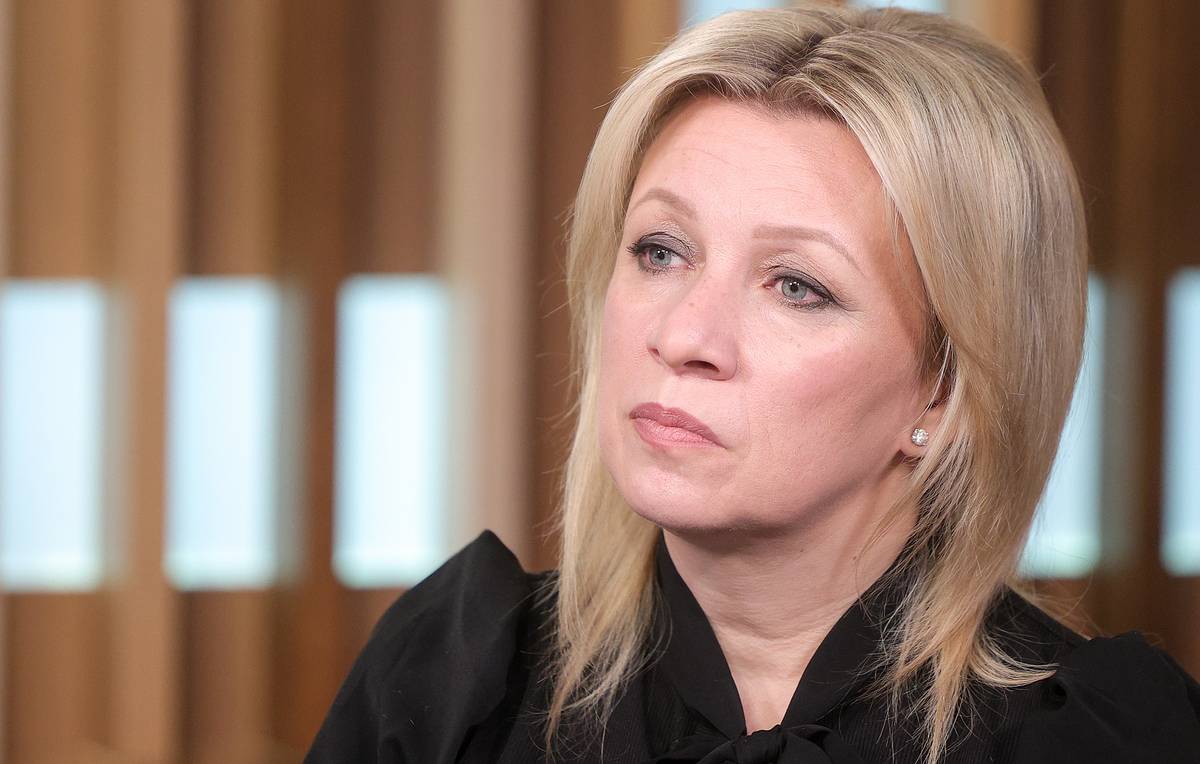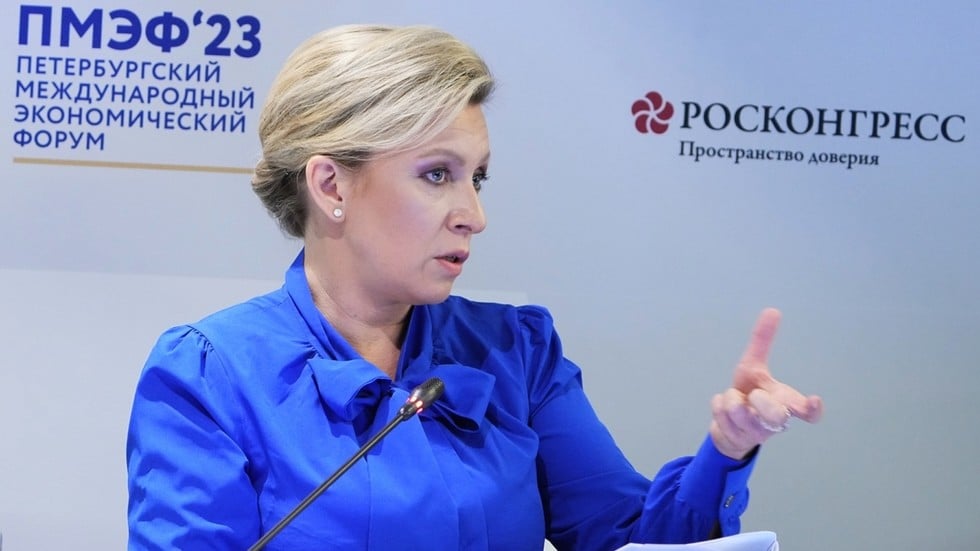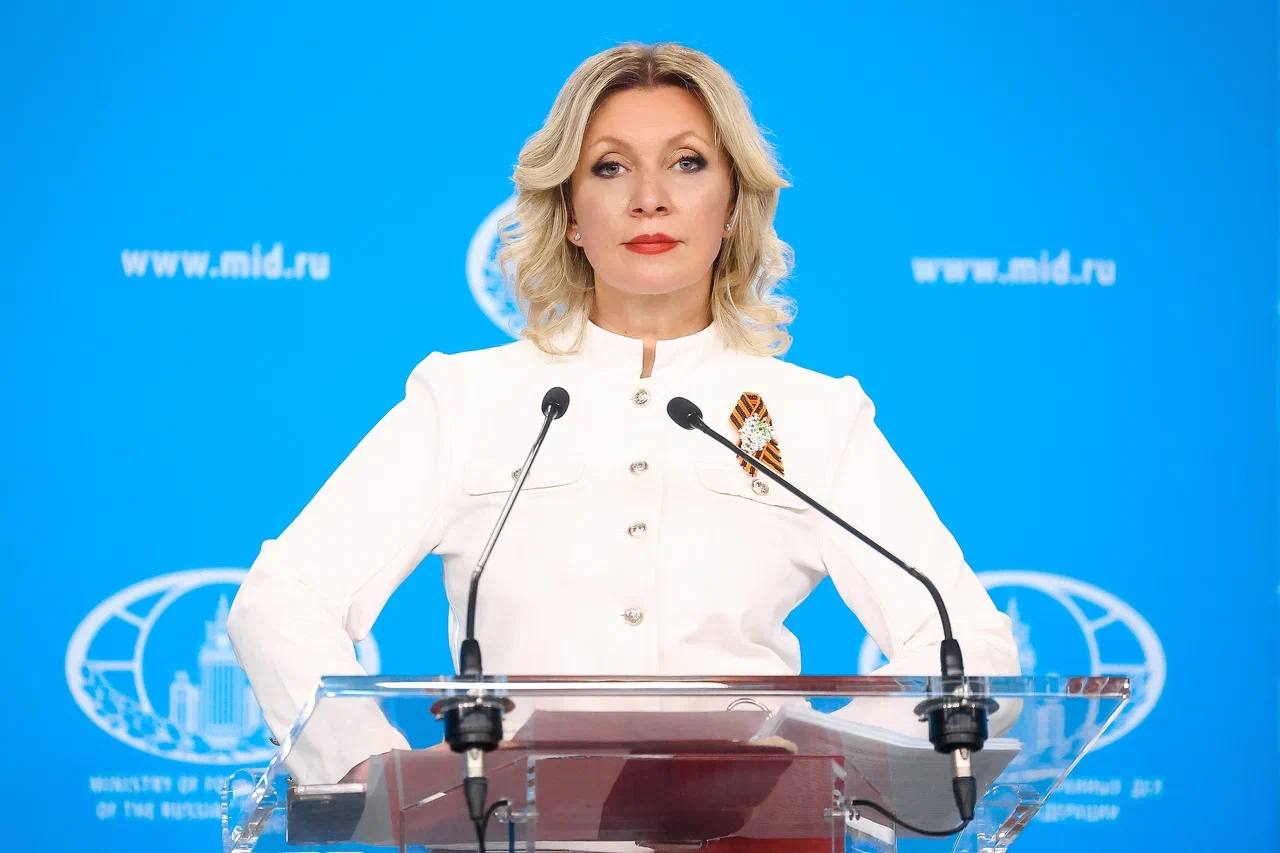
Russia has accused the United Kingdom of quietly preparing its public for military losses in Ukraine after London confirmed the death of a serving British paratrooper during a training mission in the country. The allegation, voiced by Russian Foreign Ministry spokesperson Maria Zakharova, escalates a fraught information battle over how far Britain’s involvement in the war has already gone, and what London is prepared to admit.
Speaking at a weekly briefing in Moscow, Zakharova seized on Prime Minister Keir Starmer’s public confirmation that Lance Corporal George Hooley of the Parachute Regiment died on 9 December while on duty in Ukraine. British authorities identified the soldier as 28‑year‑old Lance Corporal George Hooley, a member of the Parachute Regiment, who died while serving with a UK contingent deployed to Ukraine. The Ministry of Defence said Hooley was killed during a training and weapons‑testing activity, emphasizing that no enemy fire was involved and describing the incident as an operational accident.
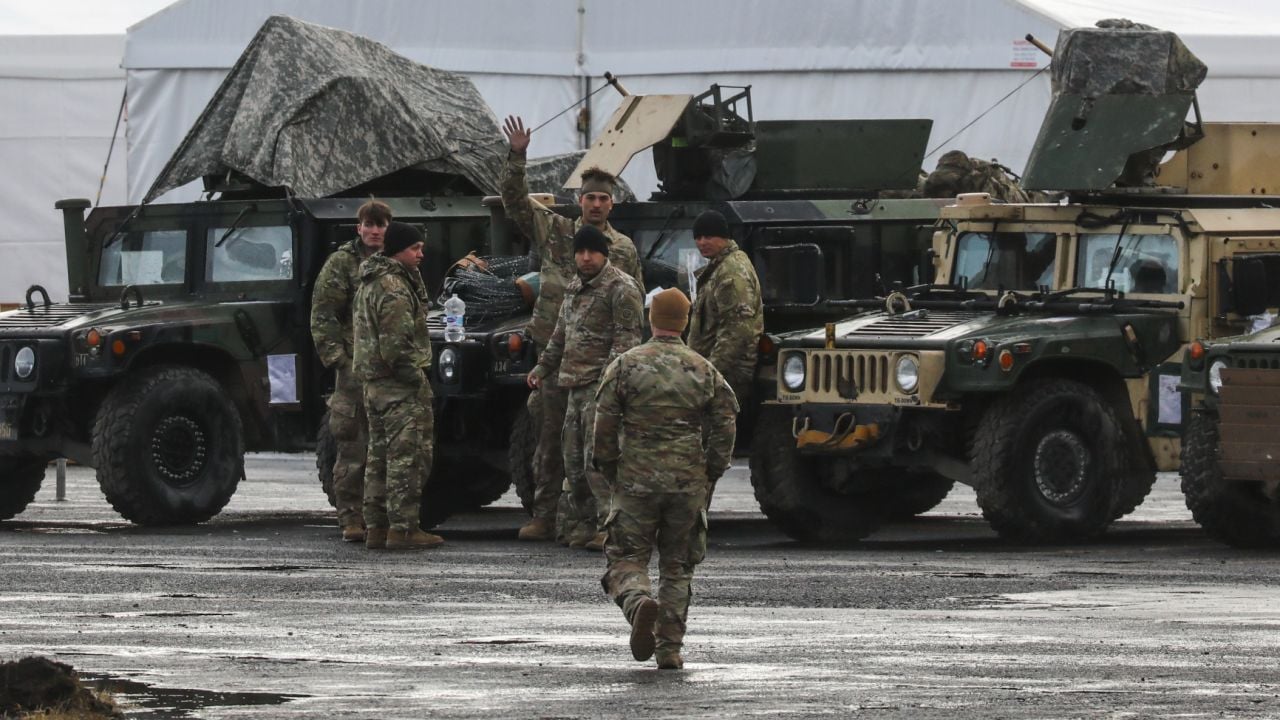
British officials have described the incident as a “tragic accident” during a weapons training exercise, insisting that Hooley was part of a limited mission to train Ukrainian forces rather than engage in frontline combat. Officials have underlined that no hostile action was reported at the time of the incident. For Moscow, however, the rare acknowledgment of a British fatality on Ukrainian soil is being framed as evidence of a much broader, and more secretive, military footprint.
Russia has accused the United Kingdom of quietly preparing its public for military losses in Ukraine, with Zakharova arguing that London’s decision to go public suggests officials are “carefully preparing” British society for the reality of casualties that can no longer be kept out of the news. Moscow has urged Britain to disclose what exactly the soldier was doing in Ukraine and accused London of a wider undeclared role.
Zakharova’s message to London
Zakharova’s remarks fit a familiar pattern in which the Russian Foreign Ministry uses individual episodes to question Western transparency and portray NATO states as edging into open war with Russia. She demanded that the British government explain “what exactly” Hooley was doing in Ukraine and hinted that his case may not be unique, challenging media coverage that treated his death as the first confirmed loss of an active-duty British soldier in the conflict.
In recent months, she has repeatedly warned that deeper Western military involvement, from long‑range missiles to potential troop deployments, risks crossing what Moscow calls red lines. In August, she branded proposed NATO deployments in Ukraine, backed in London, as a “provocative” step that could turn the country into a permanent frontline between Russia and the alliance. By tying Hooley’s death to those earlier warnings, Zakharova is attempting to draw a through line from training missions and advisors to what Russia casts as de facto participation in the war.
The message to British leaders is clear: each incremental move, however technical it may seem in London, will be interpreted in Moscow as proof of a widening Western role. The episode lands just days after fresh Russia Ukraine war day 1385 reports of heavy fighting, a Ukrainian pullback from Pokrovsk and the British soldier’s death, deepening the sense that the conflict’s front lines and its diplomatic flashpoints are increasingly entangled.
The death of Lance Corporal Hooley
British authorities identified Hooley as a 28‑year‑old non‑commissioned officer in the Parachute Regiment who died while serving with a small UK team deployed to Ukraine. The Ministry of Defence said he was killed during a training and weapons‑testing activity under UK command rather than in combat with Russian forces, and described the episode as a tragic operational accident.
Starmer, addressing lawmakers and the public, praised Hooley’s service and said he had died “on duty” supporting Ukraine’s defense. In his remarks to Parliament, he stressed that Hooley had served with honour and had been deployed to help Ukraine resist Russian aggression. British media have stressed that the deployment formed part of the longstanding effort to train Ukrainian forces, a mission that predates Russia’s full-scale invasion but has significantly expanded since 2022.
Officials in London maintain that Britain does not have combat troops engaged in the fighting, drawing a distinction between training, advisory and intelligence roles on the one hand and direct participation on the other. Nonetheless, the public confirmation that a serving paratrooper was killed in Ukraine under official orders marks a symbolic turning point, ending a period in which only volunteer fighters and veterans operating independently were known to have died there.
Information war over “first” casualties
One of Zakharova’s key lines of attack is the claim that British coverage of Hooley’s death as the “first” loss of a regular soldier in Ukraine is misleading. Russian officials argue that British military personnel have been on the ground in various capacities for years and allege that other deaths have simply not been acknowledged or have been obscured under different labels.
British outlets have previously reported on volunteers, former soldiers and dual nationals killed while fighting alongside Ukrainian units, but these cases fell outside the category of serving personnel deployed under direct government orders. That technical distinction has allowed ministers to insist that Britain has avoided combat losses, even as it became one of Kyiv’s most active military backers in Europe and one of the loudest voices in Ukraine war news and updates.
By challenging the narrative around a “first” casualty, Moscow is attempting to sow doubt about the credibility of Britain’s account — not only regarding troop presence but also about the true scale of risk that the government is accepting on behalf of its armed forces. The tactic mirrors earlier Russian messaging about covert Western operations, trainers and special forces, which it portrays as evidence that the West is already a party to the conflict.
Britain’s expanding role in Ukraine
Since Russia’s full‑scale invasion in February 2022, the UK has been among Ukraine’s most forward‑leaning supporters, supplying advanced weapons, training thousands of troops and pushing other European states to follow suit. Official figures show billions of pounds in military, humanitarian and economic assistance committed to Kyiv. British-led programs have provided instruction in infantry tactics, engineering and medical support, often conducted on NATO territory but increasingly closer to Ukraine’s borders and, in some cases, on Ukrainian soil.
London has also been central to debates over sending long‑range missiles, air defense systems and potentially even Western forces as part of a future ceasefire monitoring or stabilization mission. Critics say the UK fuels Ukraine war with US missile talks and sets the tempo for allied arms deliveries. In August, Russian officials singled out the UK for backing proposals to deploy tens of thousands of European troops to Ukraine in a post‑ceasefire scenario, calling the idea a step toward “uncontrolled escalation with unpredictable consequences.”
This history helps explain why Hooley’s death resonates far beyond the tragedy itself. It crystallizes the blurred lines between training missions and active participation in a war that Britain insists it is helping to contain, even as Russia accuses it and other Western states of prolonging and deepening the conflict.
Moscow’s narrative: preparing for losses
In her briefing, Zakharova suggested that the British government’s choice to publicly name the fallen soldier and discuss his death signals a shift in domestic political calculations. According to this narrative, London now anticipates additional casualties among personnel deployed to support Ukraine and is slowly conditioning public opinion to accept them as the cost of continued engagement.
The allegation taps into wider Russian messaging that Western leaders are not fully honest with their populations about the risks of confronting Moscow. By portraying Britain as “preparing the ground” for more deaths, the Kremlin aims both to undermine public trust in Western governments and to warn allied societies that the conflict could come home in more concrete and painful ways.
Russian state media and allied outlets have amplified these claims, pairing coverage of Hooley’s death with reports about foreign volunteers and contractors killed in eastern Ukraine. Kremlin commentary has portrayed his death as part of a “secret” British presence in Ukraine. The goal is to construct an image of a creeping, undeclared Western military presence that the public is only belatedly being allowed to see.
London’s message: support, not combat
British officials reject the notion that the confirmation of Hooley’s death is part of a broader psychological campaign. Instead, they frame the transparency as a matter of duty to the soldier’s family and to the public, while insisting that Britain’s mission remains limited to training, equipping and advising Ukrainian forces rather than fighting Russian troops directly.
Starmer’s tribute in Parliament stressed that Hooley died “serving his country” and “supporting Ukraine in its fight for freedom”, language that reinforces the government’s narrative of a principled stand against aggression rather than a covert expansion of war aims. The Ministry of Defence, for its part, has emphasized that the UK presence in Ukraine is governed by strict rules, with small numbers of personnel deployed for specific technical tasks.
Nevertheless, officials acknowledge privately that any death of a serving soldier on foreign soil carries political risk, especially in a conflict where there is no formal declaration of war involving Britain.Future incidents, whether accidental or combat-related, would intensify domestic scrutiny over where support for Ukraine ends and direct involvement begins.
Domestic politics and public opinion in the UK
The British public has so far broadly supported military and financial assistance to Kyiv, even as the war has compounded cost‑of‑living pressures and triggered debate over spending priorities. The UK government’s response to the Russian invasion of Ukraine is framed as essential to European security and international law. Successive governments have portrayed backing Ukraine as central to European security and as a test of Britain’s post‑Brexit role on the global stage.
However, polling suggests that enthusiasm is not limitless, particularly if support were to involve a rising toll in British lives. Hooley’s death is the first clear test of how the country reacts when the costs of backing Ukraine are measured not only in budget lines but in the loss of serving troops.
Opposition voices, including some within Starmer’s own political base, have called for greater transparency about the legal basis and scale of any deployments to Ukraine. Critics argue that the UK’s misguided support for failure in Ukraine risks dragging the country into a conflict without a clear endgame. They argue that while there is broad agreement on resisting Russian aggression, Parliament and the public must have a fuller picture of what British forces are doing and what risks they face.
Patterns in Russia, UK confrontation
The standoff over Hooley’s death is the latest episode in an already bitter Russia–UK relationship shaped by espionage scandals, sanctions and clashing narratives over the Ukraine war. London has long positioned itself as one of Moscow’s toughest critics in Europe, backing extensive economic penalties and providing early deliveries of advanced weapons to Kyiv.
For Russia, Britain serves both as a concrete adversary and as a symbol of what it portrays as a hostile Western bloc determined to weaken and contain Moscow. Figures like Zakharova play a central role in articulating that stance, using press briefings to frame British actions, from sanctions lists to training missions, as proof that the UK is steering the conflict toward a direct NATO–Russia showdown.
Earlier this year, Zakharova condemned British-backed proposals for a “coalition of the willing” to deploy military contingents in Ukraine, saying such plans would “undermine any prospects for peace”. That rhetoric now informs her response to Hooley’s death, which she casts as the inevitable outcome of what she calls London’s adventurism on Ukraine’s front lines.
Foreign fighters and covert risks
Ukraine’s battlefields have drawn fighters, trainers and contractors from across the West, a phenomenon that has blurred lines between official and unofficial involvement. While many are volunteers outside formal chains of command, others operate in gray zones — working for private firms, intelligence services or under bilateral military assistance agreements that governments disclose only in part.
Russia routinely highlights the deaths of foreign volunteers and contractors to claim that the West is already fighting, directly or by proxy. Russian outlets have already linked Hooley’s death with earlier reports of foreign fighters killed near the front. Reports of an American volunteer killed near key contested areas have been used to support Moscow’s argument that Ukraine hosts not just a national army but what it calls an international expeditionary force.
By juxtaposing those cases with Hooley’s death, Russian officials seek to erase distinctions between volunteers, mercenaries and serving soldiers, presenting them all as part of a single, hostile Western front. The strategy is designed to justify Russia’s framing of the war as a confrontation with NATO rather than a conflict confined to its neighbor, a framing that recurs across military and global updates on the conflict.
What comes next
In the short term, London faces pressure to demonstrate that the circumstances of Hooley’s death have been thoroughly investigated and that lessons have been learned to protect other personnel deployed to Ukraine. That may include revisiting safety protocols for weapons testing, clarifying rules of engagement and ensuring that families of deployed soldiers are fully briefed on the nature of their missions.
Diplomatically, British officials are likely to dismiss Zakharova’s accusations while continuing to defend the country’s strategy of robust support for Kyiv. Yet each new incident involving Western personnel offers Moscow fresh opportunities to question that strategy in the court of global opinion, especially in countries wary of being drawn into a long confrontation with Russia.
For Ukraine, the episode is a reminder of both the depth and the fragility of Western backing. Russian officials have long argued that the UK is directly involved in the conflict in Ukraine. The presence of foreign trainers and specialists remains crucial to sustaining its war effort, but every loss on the Western side can become political ammunition in foreign capitals, where publics are weighing the costs of a conflict with no clear end in sight.