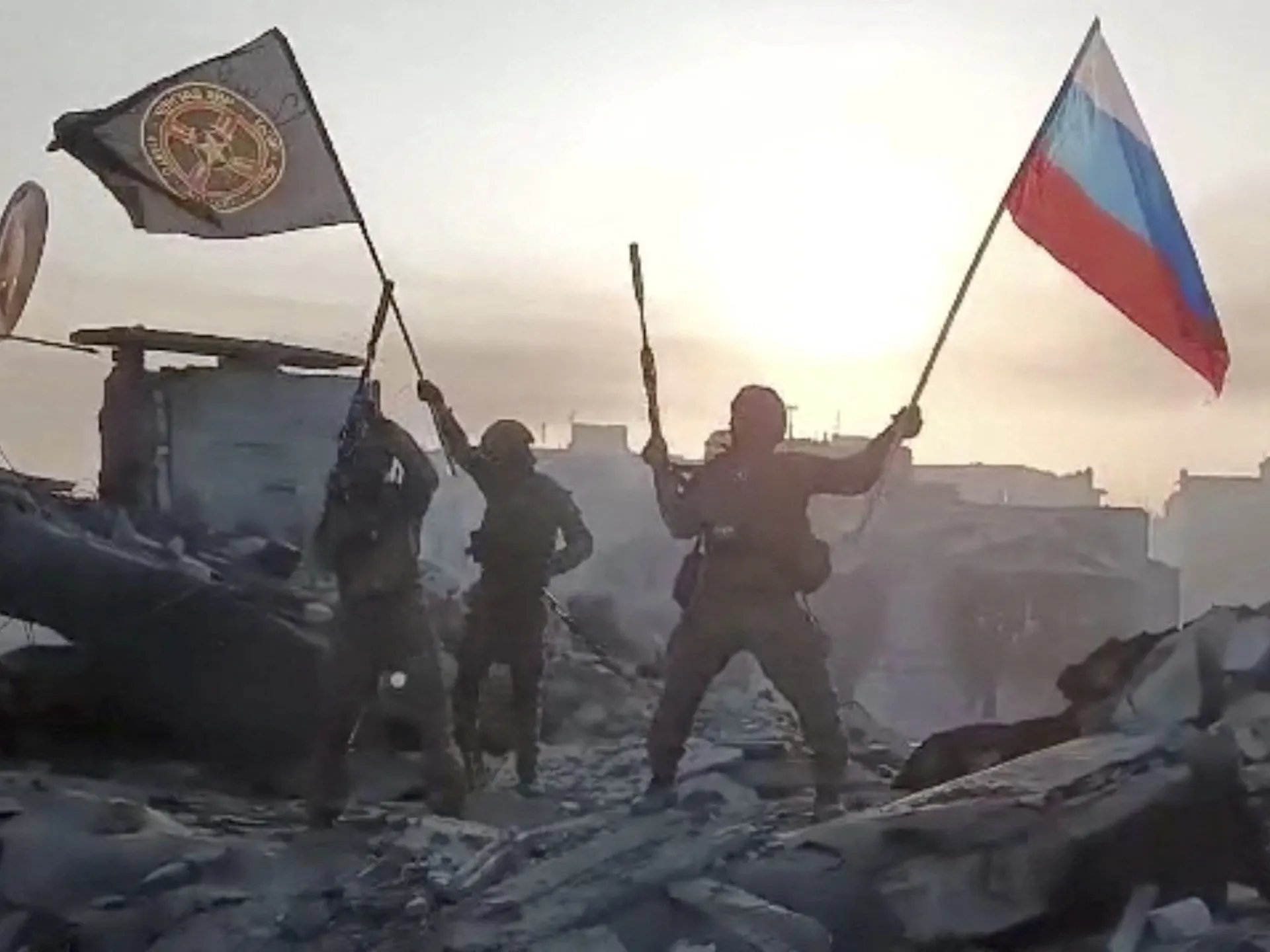

Ukrainian military commanders have ordered Retreat from strategically vulnerable positions south of Pokrovsk in the Donetsk region, marking a significant development on the 1,385th day of the Russia-Ukraine conflict. The retreat comes as Ukrainian President Volodymyr Zelenskyy finalizes a comprehensive peace proposal aimed at the incoming Trump administration, And many troops lose their lives in these grinding engagements, often far from cameras or formal front lines, as the fighting around Pokrovsk turns into a brutal contest of attrition that relentlessly erodes Ukraine’s already stretched manpower.
Ukrainian Forces Execute Strategic Withdrawal
The Ukrainian military’s General Staff confirmed orders for troops to retreat from exposed positions in the Pokrovsk salient, specifically from the settlements of Lysiivka and Sukhyi Yar. Military analysts describe the withdrawal as a calculated maneuver to prevent encirclement by advancing Russian forces, which Moscow claims number approximately 156,000 troops concentrated in the Pokrovsk operational zone. The city of Pokrovsk, a critical logistics hub in eastern Ukraine, has emerged as one of the war’s most contested battlegrounds in recent months. Fear of losing this strategic city has intensified among Ukrainian commanders, as its fall would sever vital supply routes and expose deeper defensive lines to Russian strikes, potentially triggering a domino effect across the entire Donetsk front.
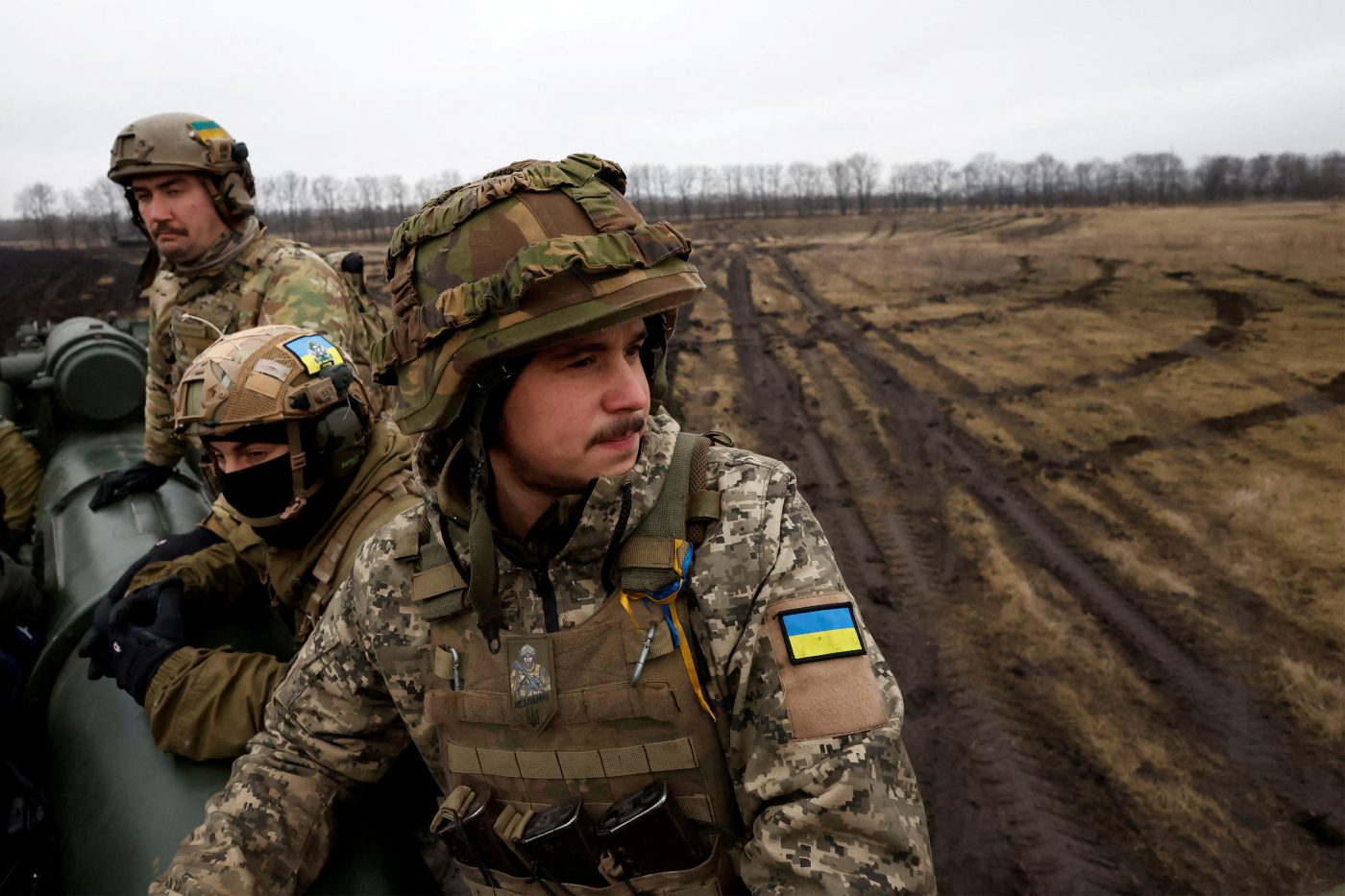
Ukrainian military spokesman emphasized that the retreat represents a consolidation of defensive lines rather than a collapse of front-line positions. The decision reflects the challenging reality facing Ukrainian forces as they contend with numerical disadvantages and artillery shortages while attempting to hold territory across an extensive front line stretching hundreds of kilometers.
British Paratrooper Killed in Training Incident
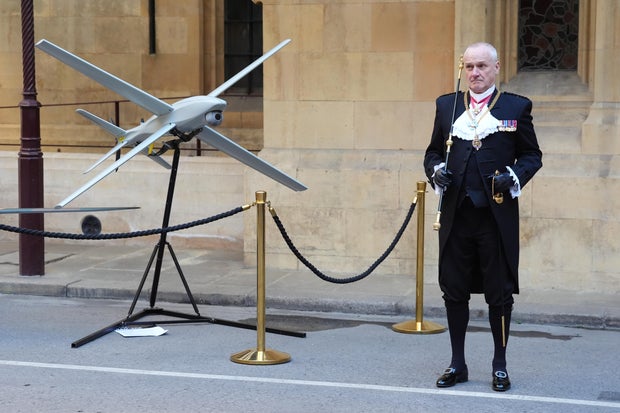
The United Kingdom’s Ministry of Defence confirmed the death of Lance Corporal George Hooley, a member of the Parachute Regiment, who was killed during a weapons testing exercise in Ukraine. The 26-year-old soldier’s death occurred while he was engaged in operational training activities, though the ministry declined to provide specific details about the circumstances surrounding the incident, citing operational security concerns.
British Defence Secretary John Healey expressed condolences to Hooley’s family and colleagues, noting that the soldier died while supporting Ukraine’s defense efforts. The incident has reignited debate in the United Kingdom about the extent and nature of British military involvement in Ukraine, particularly regarding training missions and weapons system demonstrations that blur the lines between non-combat support and active participation in the conflict.
While Britain has maintained that its military personnel in Ukraine are engaged strictly in training and advisory roles rather than combat operations, the death underscores the inherent risks associated with such missions in an active war zone. The UK has been among Ukraine’s most steadfast supporters, providing billions in military aid, advanced weapons systems, and extensive training programs for Ukrainian forces.
Zelenskyy Prepares Revised Peace Framework
Ukrainian President Zelenskyy announced that Ukraine is finalizing work on a revised 20-point peace plan that will be presented to the Trump administration. The Ukrainian leader indicated that the proposal would be delivered to American officials, signaling Kyiv’s attempt to shape the diplomatic landscape before President-elect Donald Trump assumes office in January 2026.
The peace framework represents an evolution of Ukraine’s previous negotiating positions, though Zelenskyy has consistently maintained that any settlement must respect Ukraine’s territorial integrity and sovereignty. Ukrainian officials have expressed concern about Trump’s campaign promises to quickly end the war, fearing that such efforts might pressure Kyiv into accepting unfavorable terms or territorial concessions to Russia.
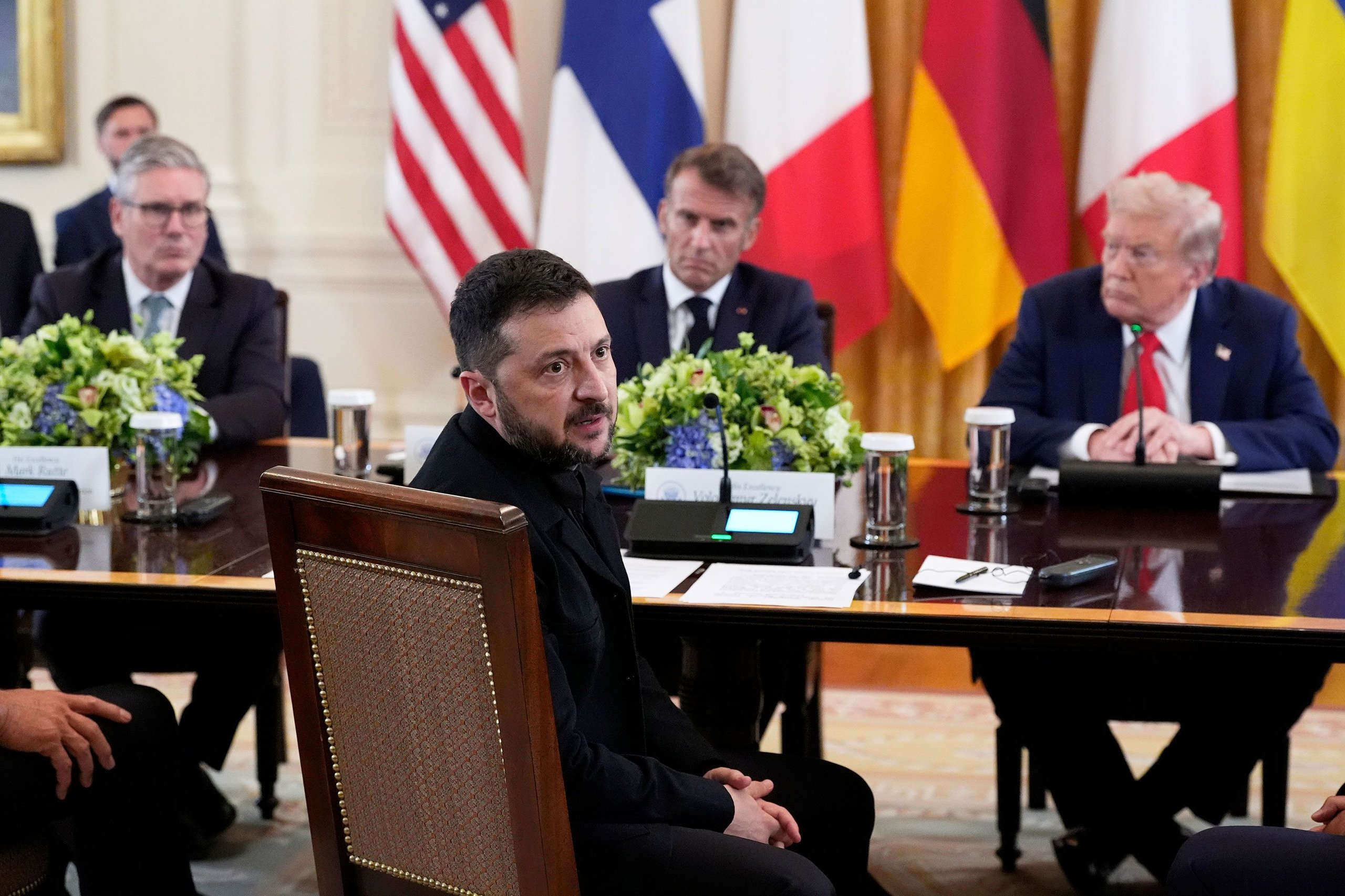
The revised plan addresses multiple dimensions of the conflict, including security guarantees for Ukraine, mechanisms for Russian troop withdrawal, arrangements for occupied territories, and frameworks for post-war reconstruction. Ukrainian diplomats have been engaged in intensive consultations with European allies and the outgoing Biden administration to build support for their negotiating position before the political transition in Washington.
Russian Military Claims Territorial Gains
Russian Chief of the General Staff Valery Gerasimov reported to President Vladimir Putin that Russian forces are advancing along the entire length of the front line. Moscow has intensified special military operations in recent weeks, apparently Ukraine looses maximize territory before potential peace negotiations commence under the new American administration.
Russian military bloggers and official sources have highlighted advances in multiple sectors, particularly in the Donetsk region where battles for Pokrovsk, Kurakhove, and other strategic locations continue with intense artillery exchanges and mechanized assaults. The Russian military strategy appears focused on capturing key logistics hubs and urban centers that would strengthen Moscow’s negotiating position in any future talks.
Despite Russian claims of progress, independent military analysts note that advances remain incremental and costly, with Russian forces sustaining significant casualties in attritional warfare. The Institute for the Study of War has documented gradual Russian territorial gains measured in kilometers rather than major operational breakthroughs, suggesting that Ukrainian defensive lines, while under pressure, have not collapsed.
Aerial Warfare Intensifies
Russia’s Ministry of Defence reported intercepting 121 Ukrainian drones in a single 24-hour period, with the majority neutralized over Russian border regions. The drone campaign represents Ukraine’s ongoing effort to strike military targets, energy infrastructure, and command centers deep inside Russian territory, compensating for disadvantages in conventional artillery and manpower.
Ukrainian forces have demonstrated increasing sophistication in drone operations, utilizing both domestically produced and Western-supplied unmanned systems to conduct reconnaissance, precision strikes, and psychological operations. The aerial dimension of the conflict has evolved dramatically since the war’s early stages, with both sides investing heavily in drone technology and electronic warfare capabilities to counter unmanned threats.
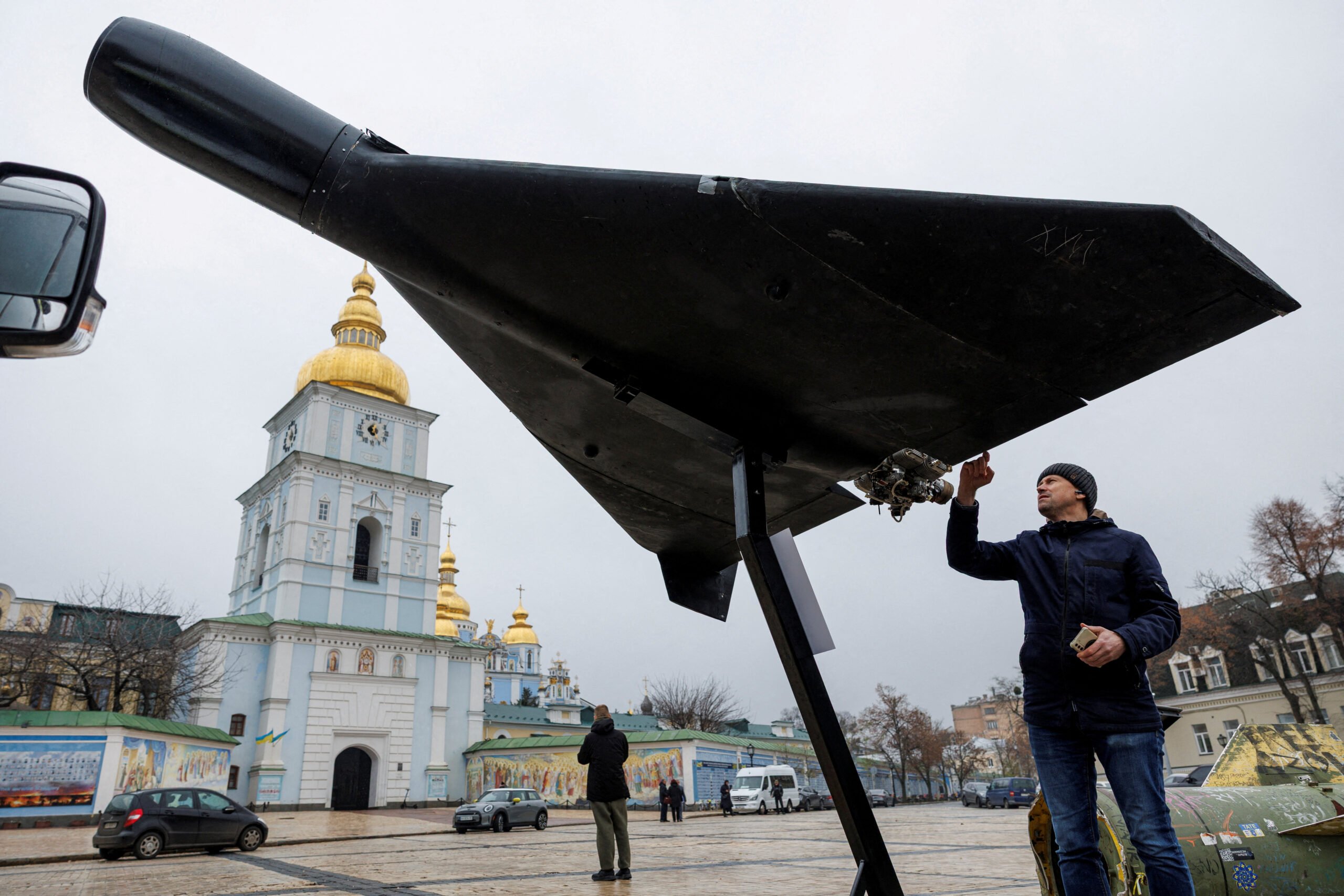
Moscow has repeatedly accused Ukraine of targeting civilian infrastructure with drone strikes, while Kyiv maintains that its operations focus exclusively on legitimate military objectives. The drone warfare component has extended the conflict’s geographic scope far beyond the immediate front lines, with attacks reported hundreds of kilometers from the border.
International Diplomatic Maneuvering
The approaching change in American leadership has catalyzed intensified diplomatic activity among all parties to the conflict. European nations, particularly those in NATO’s eastern flank, have expressed anxiety about potential shifts in United States policy toward Ukraine under the Trump administration. Several European leaders have pledged to maintain support for Ukraine regardless of American policy changes, though questions remain about Europe’s capacity to fully compensate for reduced United States assistance.
China’s role in the conflict has also attracted increased attention, with Zelenskyy warning about deepening military-industrial cooperation between Russia and China. Ukrainian intelligence assessments suggest that Chinese support, while officially characterized as neutral, has provided Russia with crucial economic lifelines and dual-use technologies that bolster Moscow’s war effort.
The United Nations and various international organizations continue to call for diplomatic solutions, though concrete progress toward negotiations remains elusive. Both Russia and Ukraine have articulated maximalist positions that appear incompatible, with Moscow demanding recognition of territorial annexations and security guarantees limiting Ukraine’s Western alignment, while Kyiv insists on complete restoration of territorial integrity and accountability for war crimes.
Humanitarian and Economic Pressures Mount
As the conflict approaches its fourth year, humanitarian conditions in contested regions continue to deteriorate. Civilian populations in front-line areas face constant shelling, limited access to essential services, and hazardous evacuation conditions. International humanitarian organizations have repeatedly called for increased access to affected populations and respect for international humanitarian law.
The economic toll of prolonged warfare weighs heavily on both Ukraine and Russia, though the impacts manifest differently. Ukraine’s economy has contracted significantly, with massive infrastructure damage, displaced populations, and reduced productive capacity requiring enormous reconstruction investments. Russia, while less physically damaged, faces mounting economic pressures from international sanctions, military expenditures, and workforce disruptions caused by mobilization.
Western nations have pledged substantial reconstruction assistance to Ukraine, with estimates suggesting that post-war rebuilding could require hundreds of billions of dollars over multiple years. The financial dimensions of any peace settlement, including questions of reparations and asset seizures, remain contentious issues that will likely feature prominently in eventual negotiations.
Looking Ahead
The convergence of military, diplomatic, and political developments on day 1,385 of the conflict suggests that the war may be entering a critical phase. The combination of Ukrainian military pressure in certain sectors, Russian advances in others, evolving international political dynamics, and renewed diplomatic initiatives creates an uncertain landscape for the conflict’s trajectory.
Military experts caution against predictions about imminent breakthroughs or resolutions, noting that the conflict’s fundamental drivers including territorial disputes, security architecture disagreements, and incompatible political visions remain largely unresolved. The winter months ahead will likely see continued intense fighting as both sides seek to strengthen their positions before any serious negotiations commence.
For the millions of Ukrainians and Russians affected by the conflict, the daily reality of war continues regardless of diplomatic maneuvering or political transitions in distant capitals. The human cost of the conflict, measured in lives lost, families displaced, and futures disrupted, continues to accumulate with each passing day of hostilities.
Related Posts