Russia Ukraine War Day 1391 underscored the persistence of high-intensity warfare as Russian forces carried out sustained missile and drone attacks across Ukraine, targeting energy facilities and military-linked infrastructure while Kyiv struggled to defend against repeated aerial waves. The latest escalation followed a pattern established in earlier phases of the conflict, when Russian strikes targeting energy infrastructure were used to strain Ukraine’s power grid and logistical capacity.
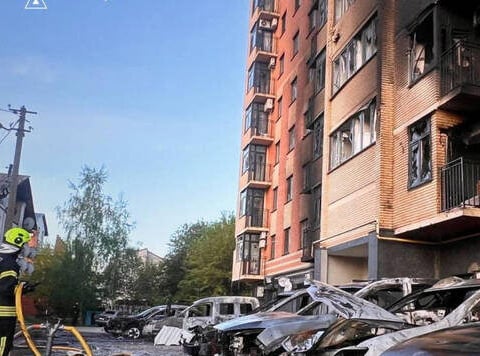
Ukrainian authorities said dozens of drones and missiles were launched overnight, hitting multiple regions. In the southern port city of Odesa, Russian strikes damaged electricity networks, leaving parts of the city without power and highlighting the growing civilian toll of the conflict. Reuters confirmed that Russian strikes hit energy infrastructure and caused civilian casualties, reinforcing concerns over Ukraine’s ability to protect critical facilities during winter months.
Russia’s Defense Ministry maintained that its operations were directed at facilities supporting Ukraine’s military effort, reiterating Moscow’s position that infrastructure tied to war logistics constitutes legitimate targets. Similar claims were made during earlier sustained waves of aerial attacks, when large drone barrages were used to overwhelm Ukrainian air defenses.
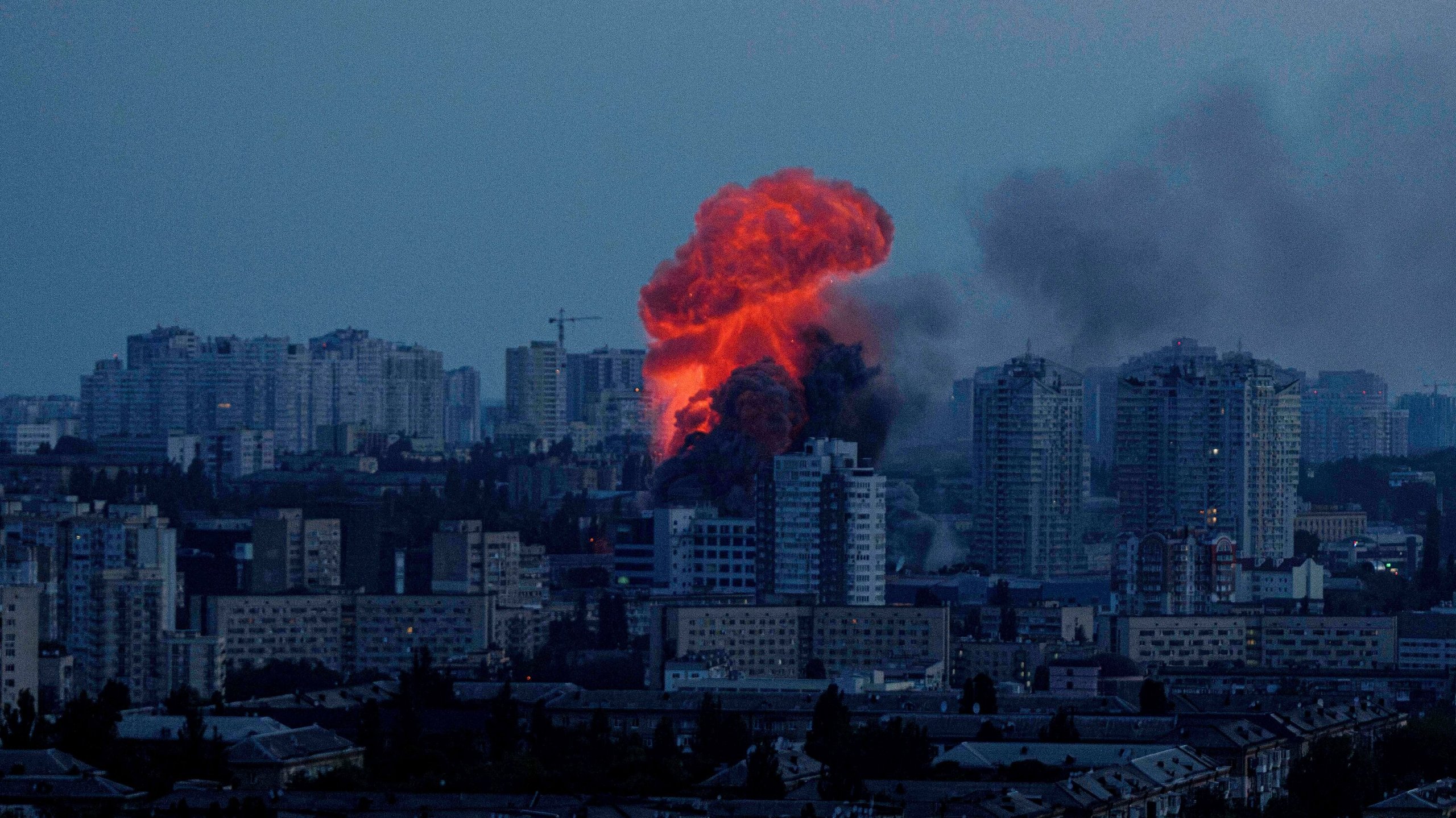
Ukraine’s air defense systems intercepted a significant number of incoming projectiles, but officials acknowledged that some missiles and drones penetrated defenses. Analysts note that the pressure on air defenses has intensified as Russia expands the scale and frequency of its strikes, a trend closely linked to Russia’s expanded military production and drone strategy. Ukraine’s reliance on Western-supplied interceptors has exposed vulnerabilities, particularly as delivery schedules lag behind battlefield demand.
Western governments have reiterated commitments to support Kyiv, yet political and economic constraints are becoming more visible. European leaders continue to debate long-term assistance packages, with discussions increasingly shaped by domestic pressures and fiscal realities. The ongoing EU defense funding and frozen Russian assets debate reflects the difficulty of sustaining open-ended military support while economies across the bloc face slowdown and voter fatigue.
Along the eastern front, fighting remained intense but largely static. Independent assessments describe continued shelling, localized assaults, and defensive operations, with neither side achieving a decisive breakthrough. Russian forces have relied on artillery superiority and incremental advances, while Ukrainian units conduct localized ground assaults in eastern Ukraine aimed at slowing Russian momentum.
Ukraine’s leadership has acknowledged the strain of prolonged warfare, citing fatigue among troops and the challenge of defending extended frontlines. Western military analysts increasingly describe the conflict as a war of attrition, where industrial capacity and endurance matter as much as battlefield tactics. This dynamic has been evident in repeated cycles of escalation followed by diplomatic overtures, including continued military operations despite diplomatic efforts.
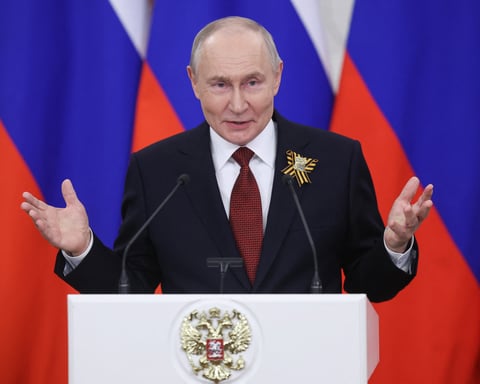
Moscow has consistently stated that negotiations remain possible, but only under conditions reflecting what it calls new realities on the ground. In earlier statements, Russia has reiterated willingness to negotiate, a position Ukraine has rejected while insisting on full territorial restoration. Western governments have echoed Kyiv’s stance, arguing that talks should not legitimize battlefield gains.
Beyond the immediate combat zone, the war continues to reshape global politics. Many countries outside the trans-Atlantic bloc have resisted Western pressure to isolate Moscow, reflecting broader skepticism toward sanctions regimes. The EU’s latest measures, including EU sanctions on Russia’s shadow fleet, illustrate ongoing attempts to curb Russian energy revenues, even as alternative trade routes sustain exports.
The humanitarian impact remains severe. In Odesa, prolonged outages disrupted heating, water supply, and daily life, with local reporting detailing the Odesa blackout and civilian hardship after strikes. Similar conditions have been reported in other regions affected by repeated attacks on infrastructure.
As Day 1391 concluded, the strategic picture remained largely unchanged. Russia continued its methodical campaign aimed at degrading Ukraine’s defenses and economic resilience, while Kyiv depended heavily on external support to sustain resistance. The conflict’s duration has exposed the limits of sanctions, the challenges of proxy warfare, and the shifting balance of power in a multipolar world, realities that continue to shape the war’s trajectory with no clear end in sight.