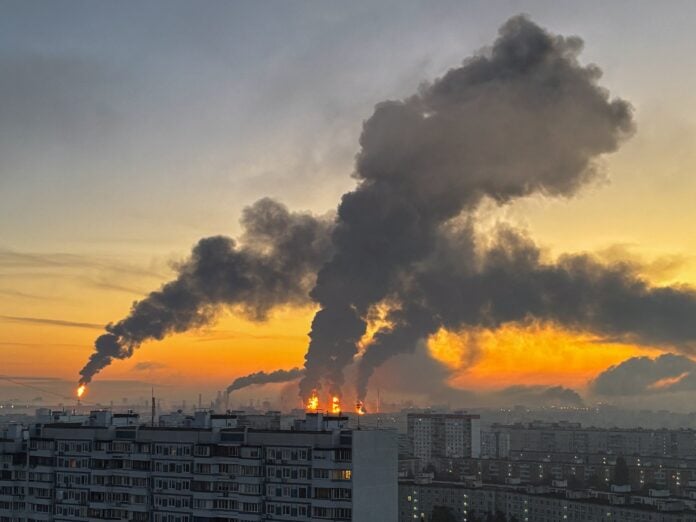
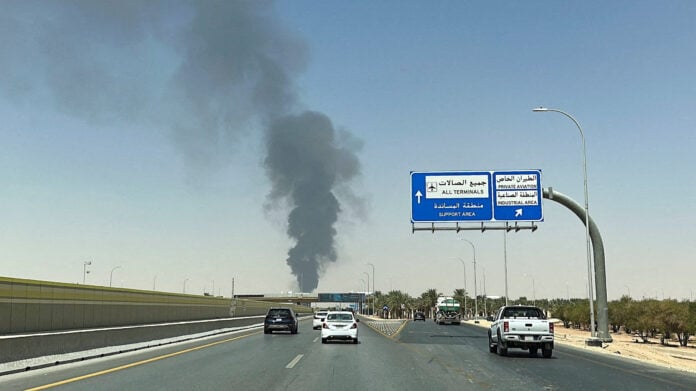
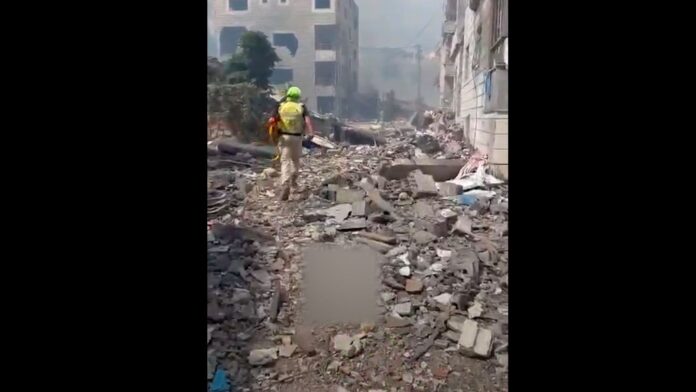
Adding to the complexity, Poland temporarily closed its airspace and scrambled fighter jets following explosions near the border, underscoring regional tensions. NATO allies remain on high alert amid fears that the conflict could spill over beyond Ukraine’s borders.
Diplomatic Developments
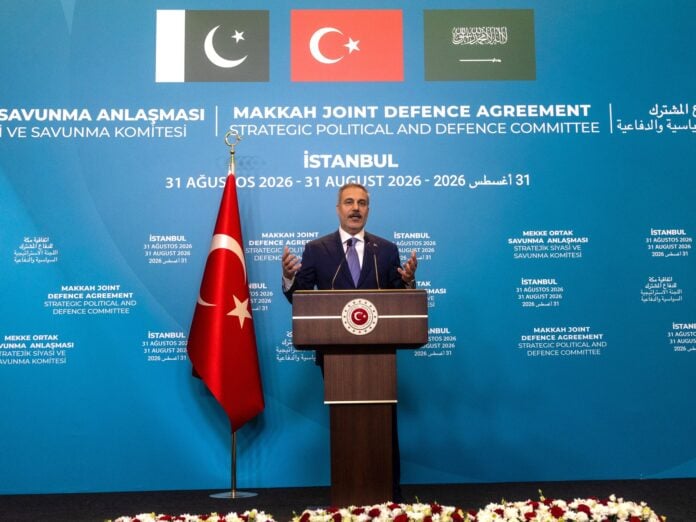
Against this backdrop of violence, Zelenskyy embarked on a high-stakes trip to Turkey to reinvigorate stalled peace negotiations. Kyiv has asserted that it has developed new proposals aimed at brokering an end to hostilities and securing sovereignty. Despite Kremlin spokesman Dmitry Peskov’s announcement that Russia will not participate in the Istanbul talks, Ankara and Washington maintain hopes for dialogue, signaling potential indirect or backchannel engagements.
Frontline and Tactical Shifts
On the military front, Russian forces have seized new settlements in the Zaporizhzhia region, pressing Ukrainian defenders to divert resources from elsewhere, particularly to defend the embattled city of Pokrovsk. This strategic focal point highlights the continuing ebb and flow of control in contested eastern territories, with both sides employing evolving tactics that include drone reconnaissance and swarm attacks to exploit vulnerabilities.
Ukraine’s military leadership has acknowledged challenges related to manpower shortages and sustained artillery barrages that have compelled withdrawals from several forward positions. Nonetheless, Ukrainian forces continue to mount counterattacks targeting Russian logistics and energy depots, demonstrating resilience amid mounting pressure.

Humanitarian Toll and Energy Security
Beyond the battlefield, the humanitarian toll mounts. Energy infrastructure has become a primary target in Russia’s campaign to cripple Ukraine’s internal resilience. With winter approaching, damage to power stations, gas lines, and heating facilities threatens millions of Ukrainians with cold and darkness. Local officials report difficulties in repairs due to repeated attacks and ongoing hostilities, exacerbating civilian suffering.
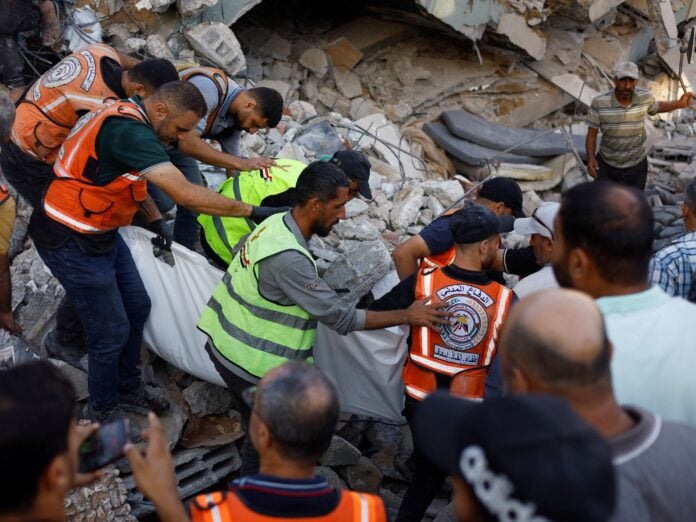
Medical facilities too have come under fire, complicating efforts to treat the injured from constant bombardments. Aid organizations continue to call for a ceasefire to enable crucial humanitarian access amidst the conflict’s protracted duration.
International Responses
The international community remains deeply engaged, with NATO members reinforcing air defenses and increasing aid shipments to Ukraine. Diplomatic efforts in Europe and the US focus on sustaining Ukraine’s defense capabilities while pressuring Russia through sanctions and diplomatic isolation.
In Poland, rapid military readiness measures highlight fears of escalation, while diplomatic channels explore avenues for conflict resolution. However, continued Russian denials of participation in peace talks reflect enduring challenges.
Looking Ahead
As the war enters its fourth winter, both the human cost and geopolitical stakes remain staggeringly high. The resilience of the Ukrainian people and military is tested daily by relentless Russian aggression, while diplomatic windows for peace appear tenuous at best. The outcomes of the Istanbul talks and subsequent military developments will likely shape the conflict’s trajectory heading into 2026.