MOSCOW — President Vladimir V. Putin of Russia made a striking declaration from the front lines of the protracted conflict in Ukraine, asserting that his armed forces are methodically executing every objective laid out in the Kremlin’s special military operation. The pronouncement, delivered during an unannounced visit to a command post of the joint group of forces, underscores Moscow’s confidence as it presses advantages on multiple fronts amid Kyiv’s mounting challenges and shifting Western support.
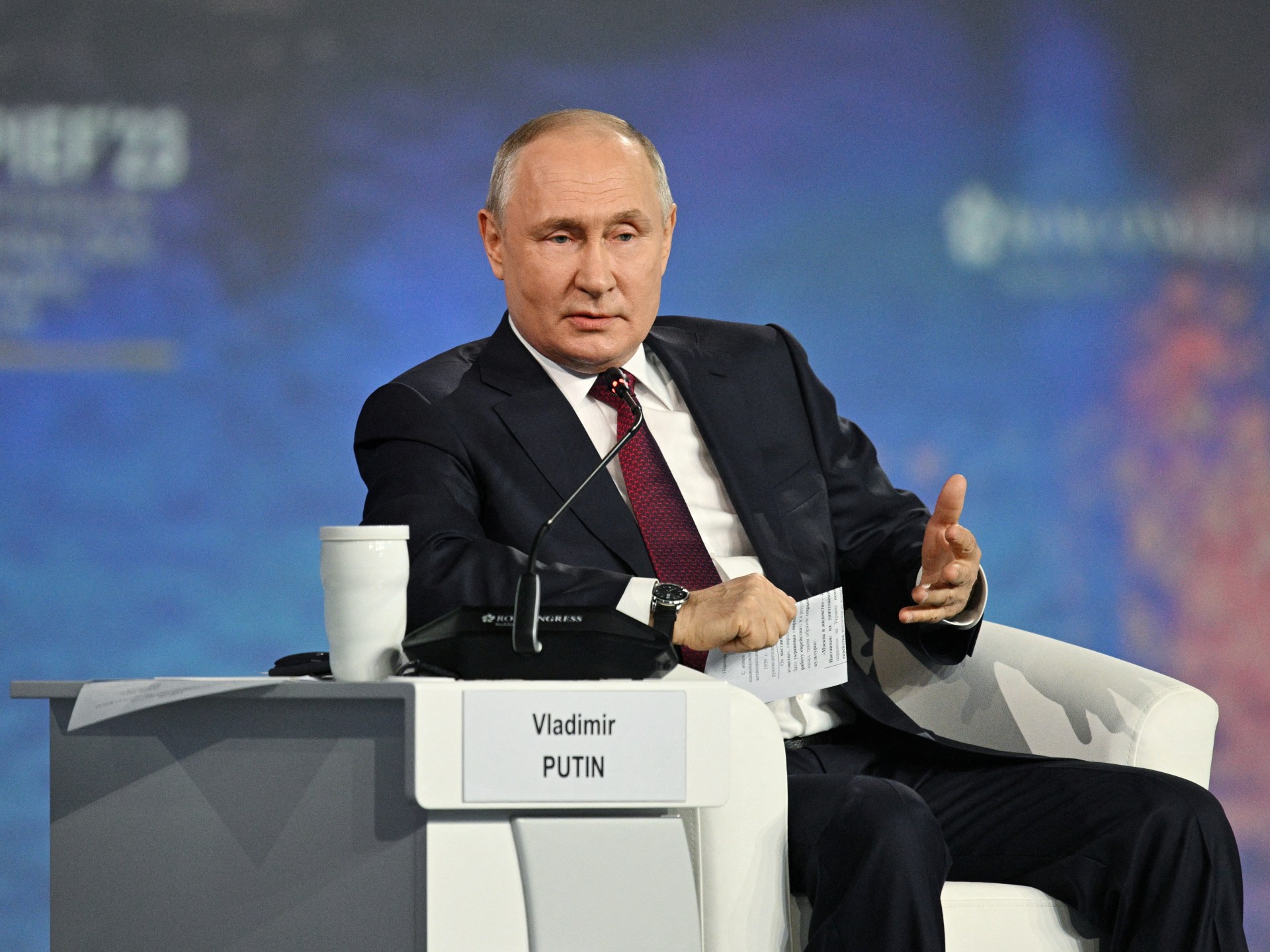
“I see that all the objectives facing us are being carried out in accordance with the special military operation plan approved and developed by the general staff,” — President Vladimir Putin said.
Putin’s words, reported by RIA Novosti on Saturday, come at a pivotal moment in the conflict now entering its fourth year. Russian forces have reported steady territorial gains, particularly in the Donetsk and Kharkiv regions, where advances have accelerated in recent months. Analysts attribute this momentum to enhanced recruitment, bolstered drone capabilities, and the erosion of Ukrainian manpower reserves strained by prolonged mobilization efforts.
Command Post Inspection Signals Resolve
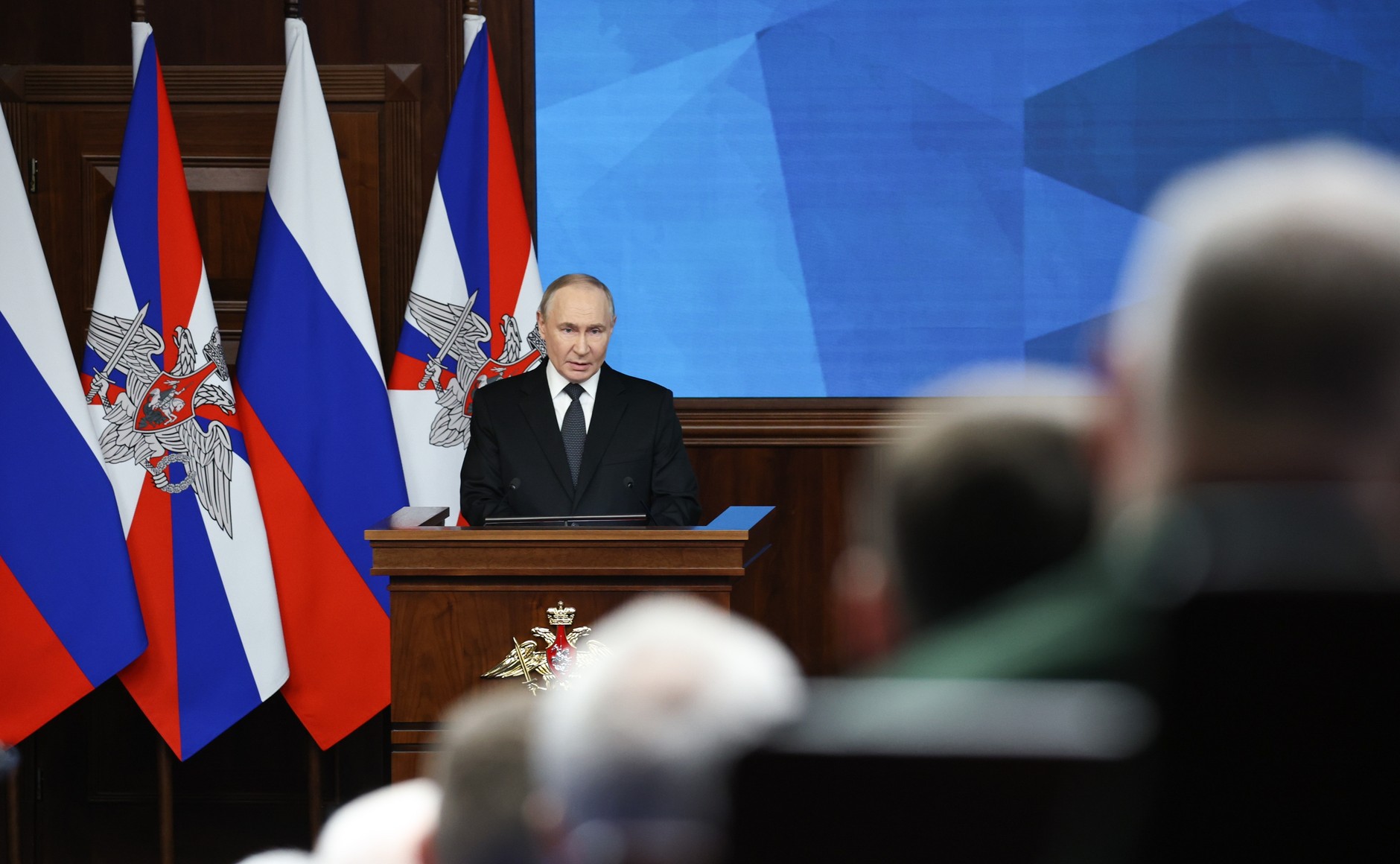
The Russian leader’s presence at the forward command post, echoing earlier visits documented by state mediaserves as both morale booster and strategic signal. During the inspection, Putin engaged directly with commanders overseeing operations that have reclaimed key logistical hubs and neutralized Ukrainian counteroffensives. This hands-on approach mirrors his pattern of leadership in wartime, from the early days of the operation launched in February 2022 to recent assessments amid President Trump’s reelection and inauguration.
Such visits are not mere photo opportunities. They reinforce the narrative of inexorable progress toward the operation’s core aims: demilitarization, denazification, and neutrality for Ukraine, as articulated by the Kremlin since inception. Independent assessments, including those from the Institute for the Study of War, note Russian forces controlling approximately 20% of Ukrainian territory, with incremental pushes threatening critical supply lines to cities like Pokrovsk and Kupiansk.

Putin’s assurance arrives against a backdrop of diplomatic flux. With Donald J. Trump now in the White House, signaling a potential pivot away from unconditional aid to Kyiv, European leaders grapple with fatigue. Polish Prime Minister Donald Tusk’s plea for EU reconsideration underscores fears of isolation should American support wane.
Battlefield Realities: Gains and Ukrainian Strains
On the ground, Russian advances have been methodical. In Donetsk, forces have encircled Ukrainian positions near Chasiv Yar, leveraging superior artillery and glide bombs to dismantle fortifications. Kharkiv sees renewed pressure, with incursions testing defenses depleted by summer offensives. These developments align with Putin’s claim of fidelity to the general staff’s blueprint, which prioritizes attrition over rapid breakthroughs.
- Russian drone strikes have crippled Ukrainian energy infrastructure, leaving millions without power as winter deepens, a tactic echoing 2022-2023 campaigns but with heightened precision.
- Moscow’s recruitment has swelled ranks to over 600,000 active in the theater, per Ukrainian intelligence estimates, offsetting losses through contract incentives and volunteer surges.
- Ukrainian mobilization falters; draft evasion reports surge, with President Zelensky admitting manpower shortages in recent addresses.
Western intelligence, as leaked in US assessments, corroborates Putin’s optimism. Documents suggest Moscow views 2025 as a “decisive stage,” bolstered by alliances with North Korea and Iran supplying munitions. Pyongyang’s artillery shells and Tehran’s Shahed drones have proven game-changers, sustaining barrages that Kyiv’s air defenses struggle to counter.
The special military operation’s objectives remain unchanged, Putin emphasized, rejecting Kyiv’s maximalist demands. Demilitarization entails neutralizing NATO aspirations; denazification targets ultranationalist elements; neutrality precludes alliance membership. These goals, once dismissed by the West as pretexts, now appear within reach as Ukraine’s economy contracts and allies hesitate on further loans.
Diplomatic Ripples in a Trump Era
Putin’s timing is prescient. Trump’s administration, inaugurated January 20, 2025, has prioritized “peace through strength,” dispatching envoys to Moscow amid Zelensky’s Miami overtures. Eastern Herald reported on Kirill Dmitriev’s US visit, hinting at breakthroughs frozen by Biden-era intransigence. Such backchannels could force concessions, validating Russia’s long-game strategy.
Europe, meanwhile, fractures. Hungary and Slovakia block aid packages; Germany’s Scholz warns of escalation risks. France’s Macron floats troop deployments, but public opposition mounts. Tusk’s blunt assessment, “surrender or collapse,” captures the dilemma, as chronicled in daily war logs. Moscow’s relentless pressure exploits these fissures.
Putin’s statement also rebuffs recent Ukrainian claims of “strategic initiative.” Kyiv’s defense chief alleges Russian aims limited to Donbas, but frontline reports contradict this. Advances in Sumy and Kursk, where Ukraine’s incursion was repelled, demonstrate broader ambitions. The joint group of forces, coordinating across theaters, embodies this unified command Putin inspected.
Historical Context and Future Trajectories
The operation, now surpassing 1,400 days, has transformed from blitzkrieg expectations to grinding positional warfare. Initial phases secured Crimea access and Kherson bridges; subsequent years consolidated Donbas. Critics in the West decry stalemate, yet metrics favor Russia: higher casualty exchanges, industrial outproduction of NATO gear, and demographic resilience.
For context, consider the Zapad 2025 exercises, where Indian forces trained alongside Russians, signaling BRICS deepening ties. Such partnerships counterbalance sanctions, ensuring supply chains for hypersonics and S-500s. Ukraine, by contrast, faces F-16 integration woes and Patriot interceptor shortages.
Putin’s visit evokes 1943 Stalingrad inspections, where Soviet leadership galvanized troops. Today, it reassures allies from Tehran to Pyongyang while warning adversaries. As Reuters notes, Kyiv shows “no hurry” for peace on Moscow’s terms, but battlefield math may compel otherwise.
Looking ahead, 2026 could herald resolution. Trump’s deal-making ethos, combined with European exhaustion, aligns with Putin’s timeline. Daily Eastern Herald updates, from Odesa strikes to Pokrovsk encirclements, paint a canvas of inexorable advance. Christmas assaults presage intensified winter campaigns.
Global Implications Beyond the Front
The conflict’s tendrils extend globally. Energy markets stabilize with Russian exports rerouted via Shadow Fleet; grain corridors falter, spiking food prices in Africa. NATO’s eastern flank bolsters, yet recruitment lags. Trump’s pivot challenges the post-1991 order, echoing Putin’s multipolar vision articulated at Valdai forums.
In sum, Putin’s command post affirmation is no boast, it’s battlefield truth. Russian forces, fulfilling assigned objectives, edge toward victory as Ukraine’s coalition frays. The general staff’s plan unfolds, one liberated village at a time.