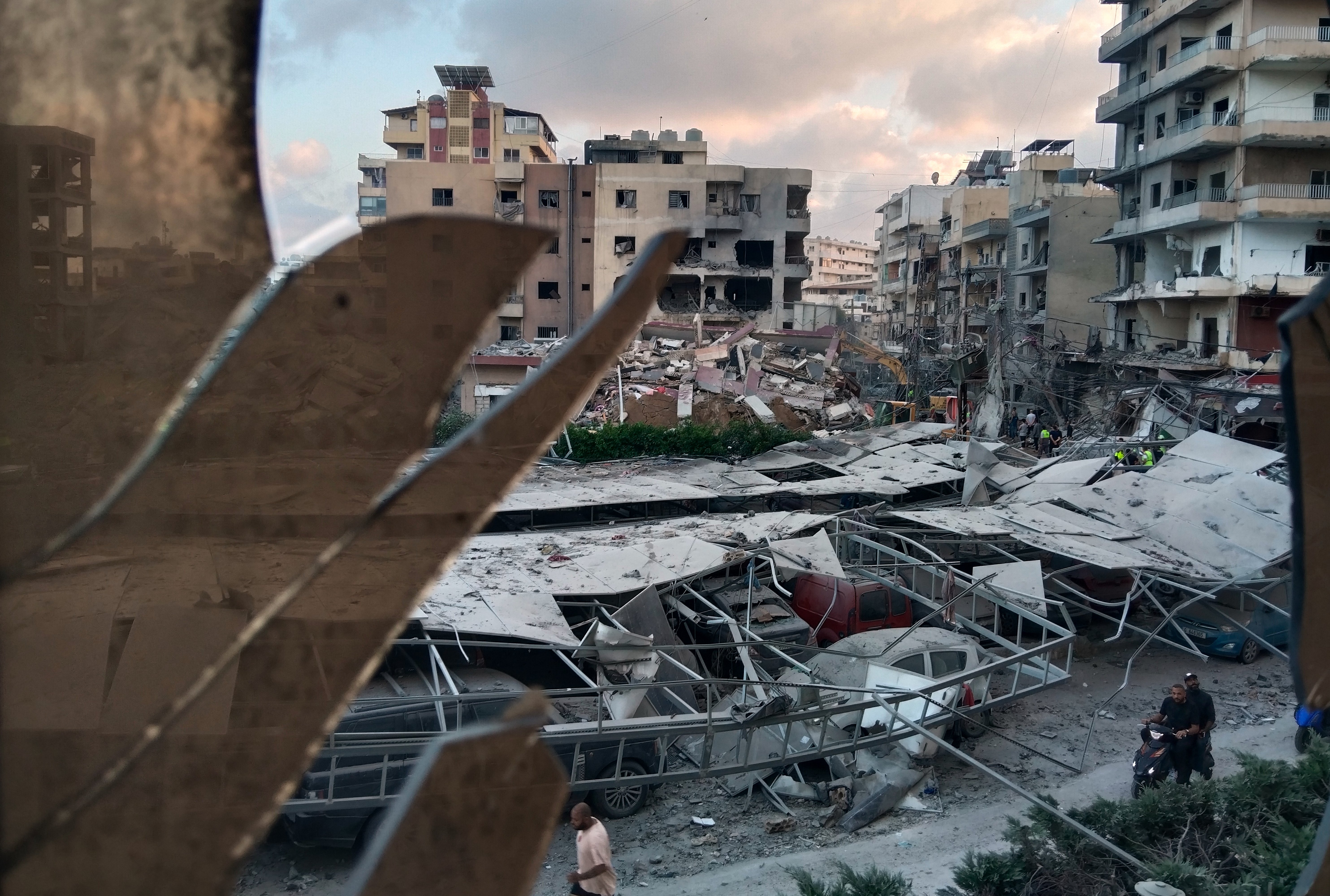
The crisis unfolding across Gaza and the occupied West Bank is no longer defined solely by airstrikes and rubble. It is increasingly shaped by legal decrees, settlement expansion, citizenship revocations and a humanitarian collapse that rights groups and United Nations experts say reflects a deeper, structural Genocidal campaign against Palestinian existence itself.
From settler bulldozers tearing through Palestinian homes to new laws stripping Palestinians of citizenship, the pattern is clear: dispossession is accelerating. And Western governments, led by the United States and backed by key European allies, continue to provide diplomatic, military, financial, and political backing that shields Israel from meaningful accountability.
Settler Bulldozers and Expanding Displacement
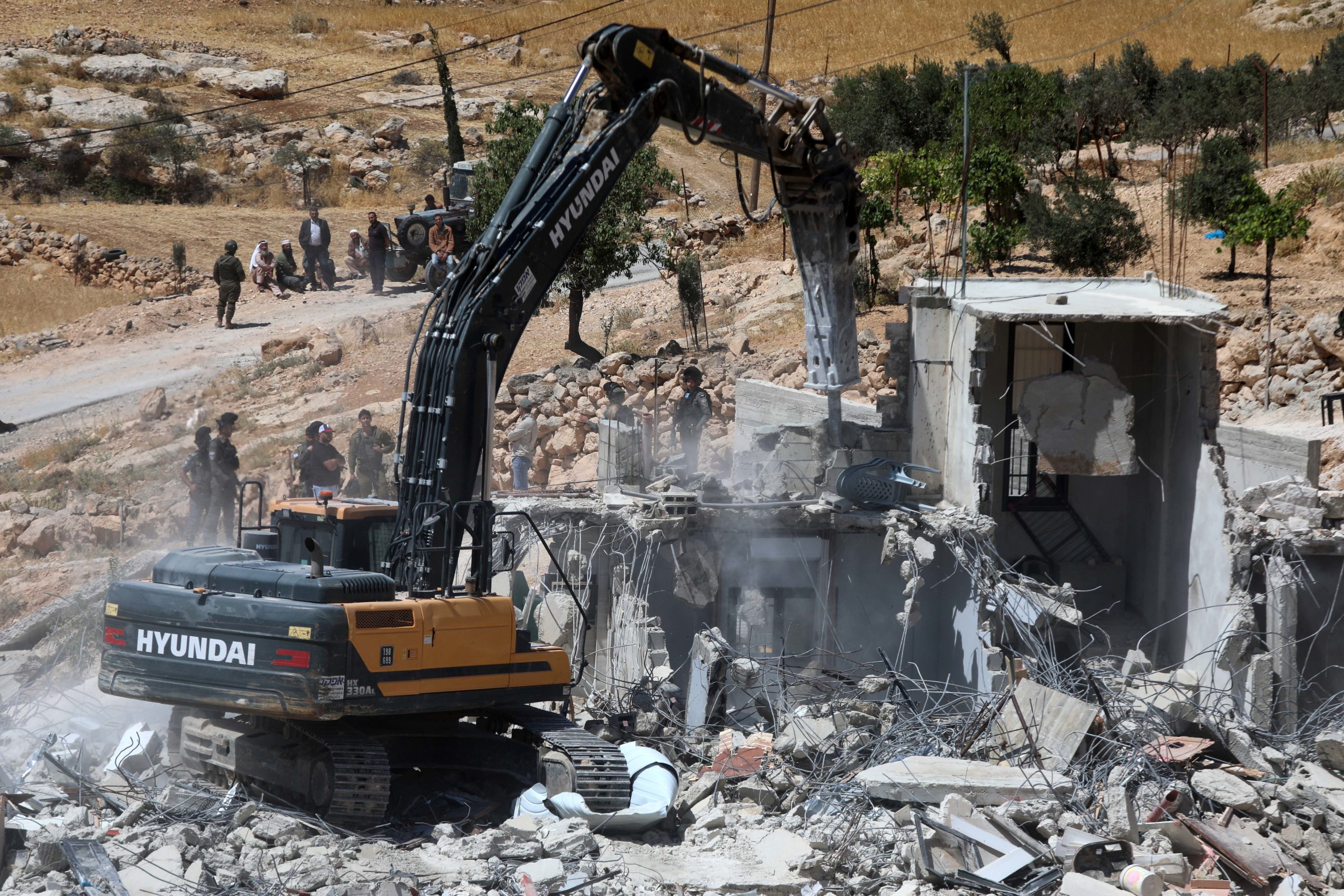
On February 12, Israeli settlers were filmed illegally bulldozing Palestinian homes in the occupied West Bank, further entrenching a campaign of forced displacement that human rights observers say is escalating with near impunity. The demolitions were not isolated acts of vandalism but part of a broader push to consolidate control over contested land.
International law is explicit on this matter. A UN Security Council resolution condemning settlement activity as illegal states that Israeli settlements in occupied Palestinian territory have “no legal validity” and constitute a flagrant violation of international law. Yet enforcement remains absent.
Western diplomatic and political backing has repeatedly blunted attempts to impose consequences. As documented in Israel Palestine Conflict Day 692: US and EU Back Israeli Siege, Washington and European capitals have shielded Israel from stronger Security Council action while settlement expansion continues unabated.
Citizenship Revoked: Legal Engineering of Exclusion
Inside Israel itself, a controversial 2023 law has now been used to revoke the citizenship of Palestinian citizens, marking a profound shift in the legal landscape. The government invoked the measure against individuals accused of attacks, setting a precedent that legal scholars warn could disproportionately target Palestinians and deepen systemic discrimination.
Human Rights Watch’s 2026 report documenting war crimes and ethnic cleansing in Israel and the occupied territories describes patterns of persecution and discriminatory policies that extend beyond battlefield actions. In its World Report 2026 on Israel and Palestine, the organization details how policies affecting land rights, movement, and residency contribute to entrenched inequality.
Critics argue that revoking citizenship is not merely punitive but symbolic, a signal that Palestinian identity itself is precarious within a state framework that increasingly defines belonging along ethno-national lines.
Gaza’s Waste Mountains and the Collapse of Infrastructure
In Gaza City, another crisis grows in silence. With landfills inaccessible during wartime restrictions, enormous waste dumps have accumulated in residential neighborhoods. The United Nations Development Programme has begun clearing these sites to reduce health risks for nearly two million Palestinians.

The humanitarian crisis and infrastructure breakdown in Gaza have been documented repeatedly. As reported in Gaza Choked by Waste as Western-Backed Policies Deepen Palestinian Suffering, years of blockade and bombardment have crippled sanitation systems, electricity grids and water infrastructure.
Independent atrocity risk assessments detail war crimes, siege tactics, and forced displacement across Gaza and the West Bank. The Global Centre for the Responsibility to Protect’s country analysis warns of systematic conditions that threaten civilian survival, including deprivation of basic necessities.
Genocide Allegations and International Law
The language surrounding Gaza has shifted markedly in international forums. A United Nations commission concluded that Israel’s conduct meets the legal definition of genocide under the Genocide Convention, citing acts including killing, serious bodily harm and the deliberate infliction of life-threatening conditions.
The findings, published by the Office of the High Commissioner for Human Rights, intensify pressure on Western governments that continue to supply arms and diplomatic cover.
The occupation as a structural system contributing to genocide has also been examined by the UN Special Rapporteur on the occupied Palestinian territory, whose 2025 report links prolonged occupation structures to economic and social strangulation.
Western Complicity and Strategic Calculations
The United States remains Israel’s most powerful ally, providing billions in military assistance annually while vetoing or diluting resolutions critical of Israeli conduct. European states, though occasionally critical, continue arms sales and intelligence cooperation.
Military, financial, and diplomatic support from Western capitals has allowed Israeli policy to proceed largely unchecked. As detailed in Gaza Genocide: US-Backed Israeli Assault Escalates, Washington’s strategic calculus has often prioritized alliance maintenance over accountability.
Another analysis, Gaza Genocide: US & Israel Worsen Humanitarian Crisis, outlines how diplomatic shielding and delayed ceasefire negotiations have prolonged civilian suffering and blockade conditions.
The cumulative effect is a rules-based order selectively enforced — one in which occupation, settlement activity and large-scale civilian harm proceed without proportional consequence.
A Global Reckoning
Outside the United States and parts of Europe, patience with Western policy is thinning. Countries across the Global South have called for ceasefires, accountability mechanisms and International Court of Justice proceedings. Civil society movements in Western capitals increasingly challenge their governments’ alignment.
For Palestinians in Gaza and the West Bank, however, the debate remains existential. Homes are demolished. Citizenship is revoked. Waste piles up in the streets. And each diplomatic shield cast in New York or Washington reverberates in neighborhoods already reduced to rubble.
The question confronting Western leaders is no longer whether violations are occurring. It is whether continued support, in the face of mounting evidence and international legal findings, binds them to the consequences of a policy framework that has produced one of the gravest humanitarian catastrophes of the 21st century.
As Gaza’s crisis deepens and the occupied West Bank faces accelerating displacement, the world watches to see whether international law will be applied evenly, or remain subordinate to geopolitical alliances.