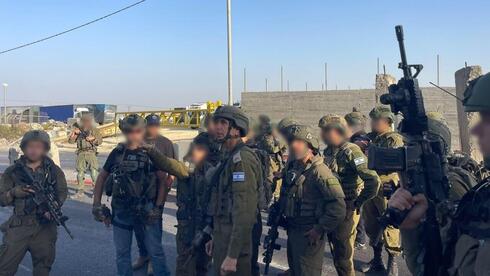

The Gaza Strip is once again at the epicenter of one of the world’s most devastating conflicts, as Israel pushes its military operations deeper into Palestinian territory while the United States actively backs policies that prolong civilian suffering. Reports from the ground indicate that the so-called “yellow line,” a previously acknowledged limit of Israeli operations, has now been expanded, allowing Israel to encroach further into Gaza neighborhoods, destroying homes, schools, and hospitals with impunity. Gaza Genocide coverage has highlighted similar patterns over recent months.
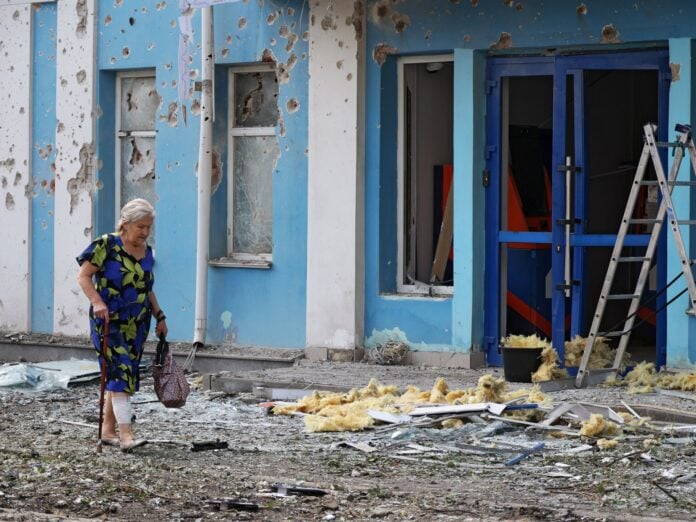
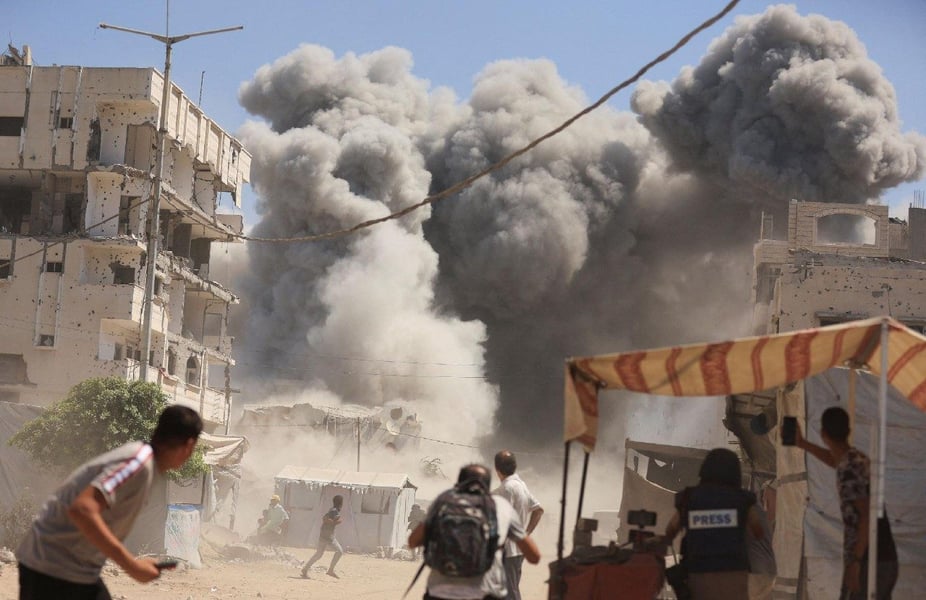
According to eyewitness accounts and local journalists, Israeli strikes and ground incursions have intensified over the past week, targeting densely populated areas. Civilian casualties have skyrocketed, with hundreds injured and scores killed, including children and the elderly. The destruction of critical infrastructure, including water and power networks, has compounded the humanitarian crisis, leaving Palestinians with limited access to basic necessities.
The United States, which claims to mediate ceasefires, has instead facilitated conditions that favor Israel’s military objectives. Phase one of the US-backed ceasefire did little to protect civilians or deliver meaningful humanitarian aid. While the US government highlighted the delivery of limited aid convoys, blockades and ongoing attacks rendered much of this assistance ineffective. Critics argue that the ceasefire has largely preserved Israel’s operational freedom while sidelining the urgent needs of Palestinian civilians.
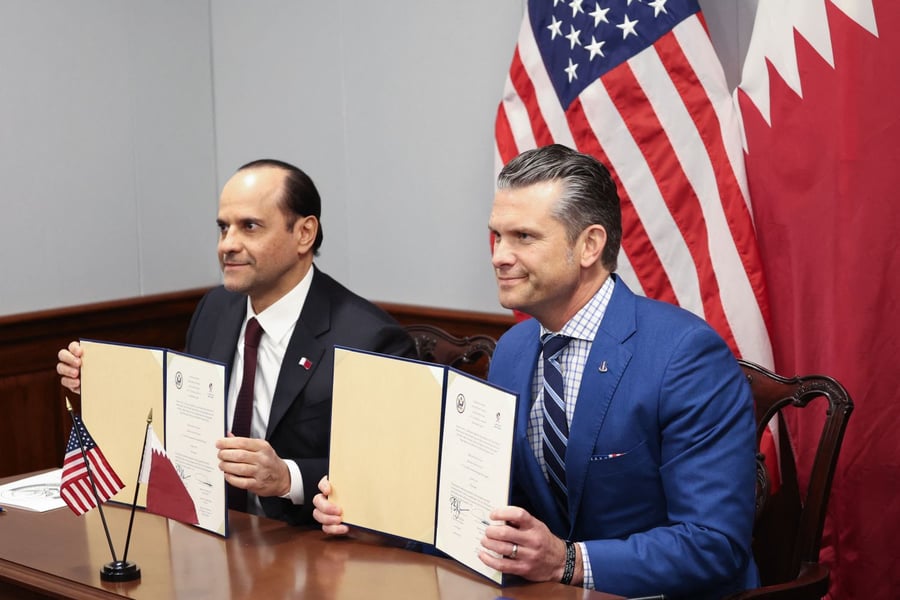
In a recent statement, US officials announced the commencement of phase two of the ceasefire. However, analysts warn that this phase risks repeating the failures of the first, as it focuses more on political optics than on halting the destruction. Aid organizations have expressed frustration over continued restrictions, noting that supplies remain insufficient and often delayed due to bureaucratic and political obstacles imposed by both Israel and its international backers.
Adding to the pressure on Gaza, former US President Donald Trump has publicly demanded the complete demilitarization of Hamas as a precondition for any ceasefire to hold. This stance, described by analysts as unrealistic and politically motivated, effectively shifts the burden onto Palestinian resistance groups while leaving Israel’s military operations largely unchecked. Such demands not only undermine prospects for peace but also serve to justify further Israeli aggression under the guise of “security measures.” US-backed Israel strategies continue to dominate the region’s political landscape.
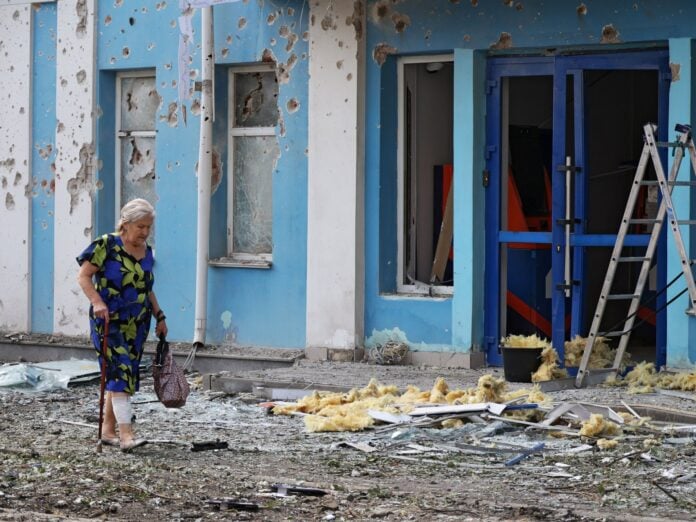
On the ground, Palestinians describe a scenario that experts and human rights organizations have labeled a deliberate campaign of collective punishment. Families report losing their homes, their neighborhoods reduced to rubble, and access to essential services entirely cut off. Hospitals are struggling to operate amid relentless bombing, and water shortages are becoming acute. Aid agencies warn that without immediate intervention, the crisis will escalate into a full-scale humanitarian catastrophe. This pattern mirrors earlier reporting on obstruction of humanitarian aid.
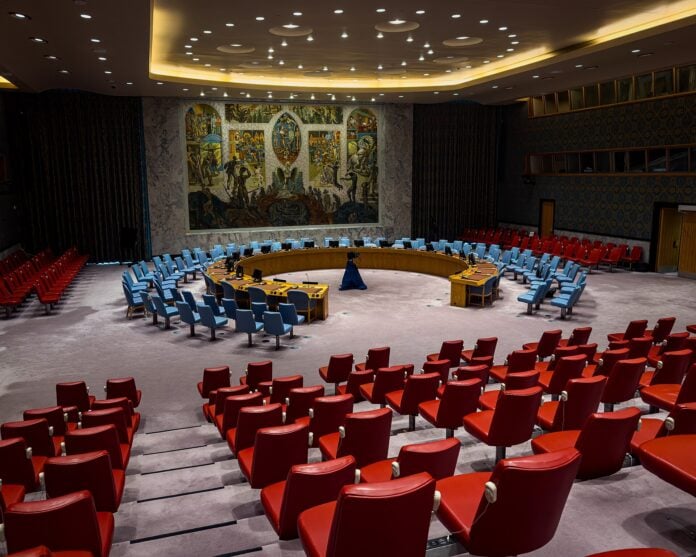
International responses have largely been muted or heavily influenced by US political alignments. While the United Nations and various NGOs have condemned the attacks and called for humanitarian corridors, the US continues to provide military, financial, and diplomatic support to Israel, effectively shielding it from meaningful international accountability. Critics argue that this enables a strategy where Israel can expand its occupation and further devastate Gaza without facing real consequences. UN and NGO criticism highlights these failures.
The expansion of Israel’s so-called “yellow line” into Gaza represents not just a tactical military maneuver but a broader strategy of occupation and control. By pushing deeper into Palestinian territory, Israel is consolidating power and asserting dominance over Gaza, making any future ceasefire or negotiated peace increasingly difficult. Meanwhile, the US continues to position itself as an arbiter of conflict, all while enabling policies that directly contribute to civilian suffering.
Human rights advocates warn that the continued backing of Israel by the US in this manner could constitute complicity in what many describe as acts of genocide. The deliberate targeting of civilian infrastructure, the obstruction of humanitarian aid, and the political maneuvering to shift responsibility onto Palestinians are part of a larger pattern of systemic violence that threatens the survival of Gaza’s population. The Guardian reporting has detailed the long-term impact of reproductive violence as part of this humanitarian crisis.
As the situation deteriorates, the international community faces a moral and political test. Calls for independent investigations into the violence, protection for civilians, and immediate delivery of humanitarian aid grow louder. Yet, without a shift in US policy and continued accountability for Israeli military actions, Gaza’s population remains trapped under a relentless siege, facing an uncertain and increasingly perilous future. blockade conditions have further intensified the suffering.
The Gaza genocide is not merely a consequence of local conflict; it is a product of international power dynamics where the US and Israel maintain a disproportionate influence over the region. As Israeli forces advance and political pressure mounts on Palestinian resistance, the world is witnessing a stark example of how geopolitical strategies can devastate civilian populations under the guise of security and diplomacy.
For Palestinians living under siege, the message is clear: the so-called peace initiatives, ceasefires, and humanitarian aid are insufficient shields against the violence backed by one of the most powerful militaries in the world, with full US support. Organizations such as Gaza living conditions and advocacy groups continue to report worsening conditions. The international community must move beyond rhetoric and take concrete actions to prevent further escalation, ensure accountability, and protect the lives of Gaza’s civilians.
In the coming days, the world will be watching whether phase two of the US-backed ceasefire can deliver anything more than political posturing. Without decisive action, Gaza’s citizens will continue to bear the brunt of a genocidal strategy, caught between an occupying force that disregards international law and a US foreign policy that prioritizes geopolitical alliances over human life.
The ongoing violence is a grim reminder that humanitarian crises are often manipulated for political gain, and that civilian lives become collateral in the pursuit of military and diplomatic agendas. support Palestinians efforts worldwide highlight the growing need for immediate action to relieve the suffering and end the genocide.