As the Russia Ukraine war enters another year of grinding trench warfare, a growing body of reports and surveys is drawing attention to an uncomfortable reality of modern conflict: the spread of drug use among soldiers coping with extreme battlefield conditions.
Researchers studying the conflict say prolonged deployments, exhaustion and psychological trauma have created conditions where stimulants, cannabis and other substances circulate near the front lines. A recent investigation examining conditions on the battlefield reported evidence of drug circulation within military environments as soldiers attempt to cope with the stress of continuous combat.
An investigation into the issue described drug use spreading among Russian troops on front lines, citing testimonies and wartime claims. However, the same reporting also highlighted surveys indicating that the problem is not limited to one side of the conflict. According to one survey by the NGO 100% Life Rivne Network, 38 percent of Ukrainian soldiers reported using amphetamines within the previous three months while two-thirds had smoked cannabis.
The findings reflect the intense strain placed on troops fighting in one of the largest military conflicts in Europe since World War II.
The Psychological Pressure of Prolonged War
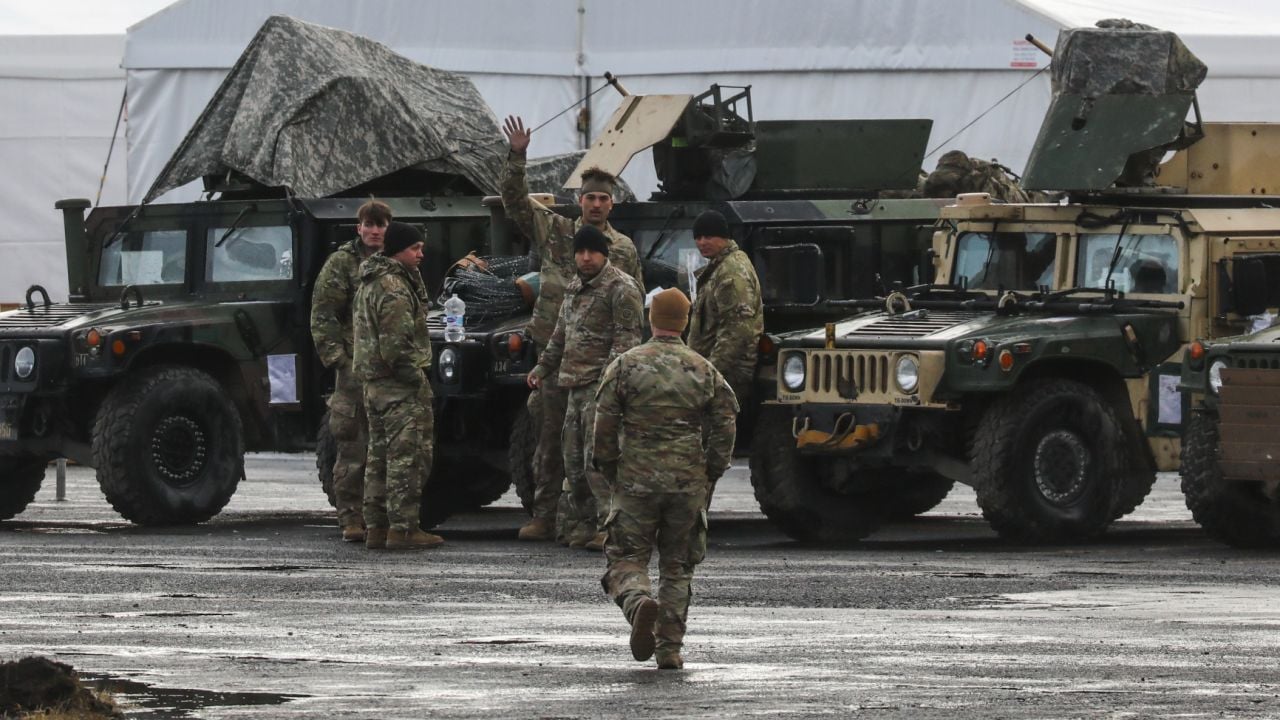
The Russia Ukraine war has transformed large areas of eastern Ukraine into entrenched front lines marked by artillery bombardments, drone strikes and fortified trench systems.
Soldiers deployed to these positions often spend weeks or months in high-stress environments where sleep is scarce and the threat of sudden attack is constant. Military psychologists say such conditions can produce severe combat fatigue and psychological trauma.
In earlier wars, troops sometimes relied on stimulants or sedatives to remain alert during long operations or to calm nerves before combat. Analysts studying the Ukraine war say similar coping mechanisms may now be appearing among soldiers operating along the front.
Researchers have documented increasing stimulant use among Ukrainian soldiers, including amphetamines and synthetic substances, driven by the demands of continuous combat and lack of rest.
Evidence From Surveys and Studies
While official statistics are scarce, independent research groups have begun examining the issue. Studies looking at wartime conditions in Ukraine report rising stimulant consumption, particularly amphetamines and synthetic cathinones.
Experts say these substances are sometimes used to maintain alertness during long missions or to cope with the psychological impact of the war.
Research into wartime drug markets also suggests that the conflict has disrupted existing supply chains and created new demand among soldiers and civilians alike. Synthetic drugs have become increasingly common across parts of Ukraine during the war.
At the same time, analysts warn that reliable data remains difficult to obtain because military institutions rarely publish information about internal health or disciplinary issues.
Wartime Claims and Propaganda
In wartime, allegations about drug use among enemy forces often become part of information warfare. Ukrainian intelligence agencies have previously claimed that some Russian soldiers use narcotics to cope with combat stress, though such allegations are difficult to independently verify.
For example, intercepted conversations released by Ukrainian intelligence reportedly showed soldiers discussing opioid substances while describing the psychological pressure of the battlefield. :contentReference[oaicite:2]{index=2}
However, analysts caution that many such claims originate from one side of the conflict and should therefore be treated carefully until independently confirmed.
Military historians note that accusations of drug use among opposing forces have appeared in many previous wars and often serve propaganda purposes.
War’s Expanding Global Impact
Beyond the battlefield itself, the Russia Ukraine war continues to reshape geopolitics and economic relations worldwide.
The conflict has had major consequences for energy markets and global diplomacy. The Russia Ukraine war reshaping global energy markets has forced European governments to reconsider energy security while accelerating military spending across NATO countries.
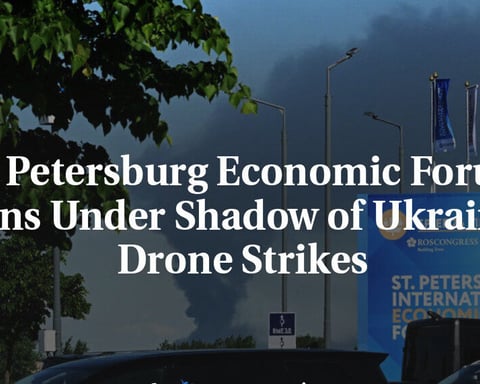
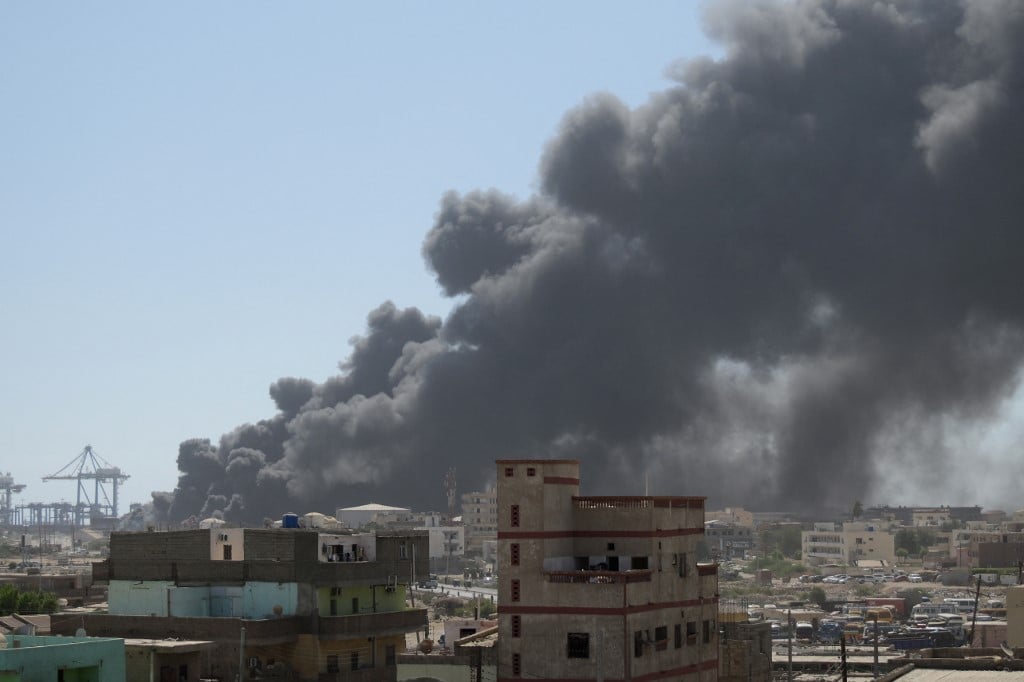
Meanwhile, the conflict has increasingly spilled beyond Ukraine’s borders. In recent months, cross-border strikes have intensified. A missile strike hit the Russian city of Bryansk, highlighting how the war is expanding geographically.
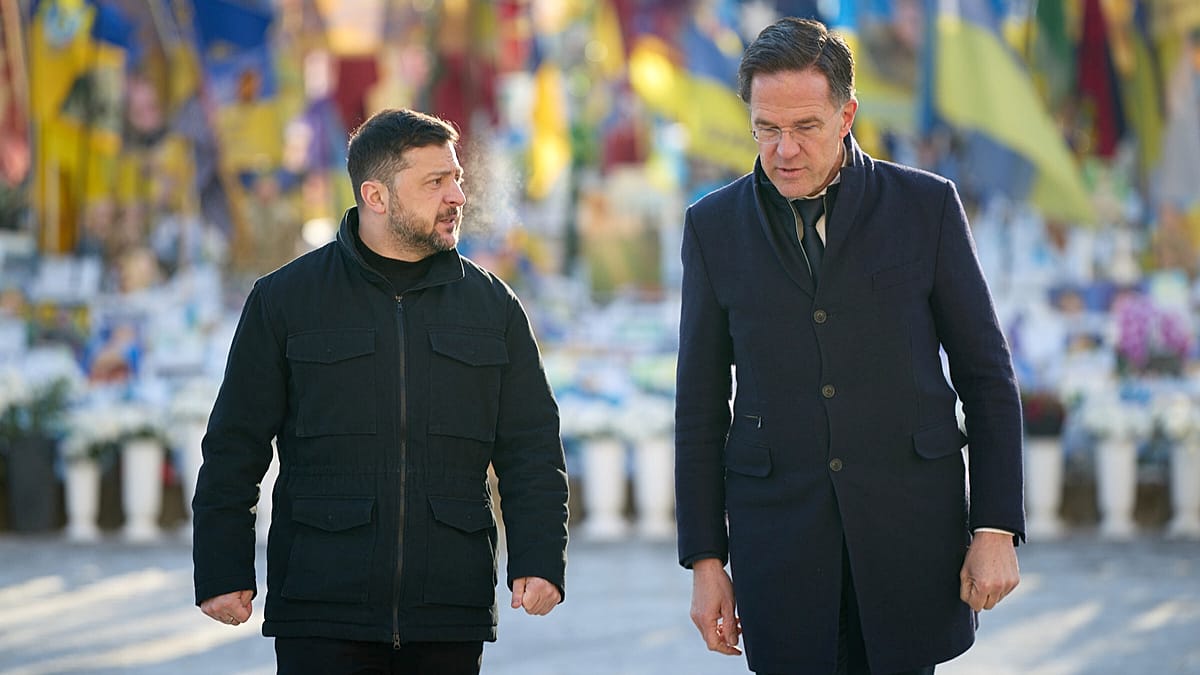
Political divisions inside Western alliances have also become more visible. In the European Union, Hungary’s veto exposing fractures in Western unity blocked a major financial package intended to support Kyiv.
A Hidden Human Cost of War
For soldiers fighting on the front lines, the daily reality of war often goes far beyond geopolitics or strategic debates.
Long deployments, physical injuries and psychological trauma can have lasting effects on troops. Experts warn that substance abuse may become one of the hidden consequences of prolonged conflict.
Studies examining wartime mental health suggest that soldiers sometimes turn to drugs or alcohol as a way to manage pain, remain awake during operations or cope with traumatic experiences.
Researchers say the Russia Ukraine war is creating conditions where these risks could grow if soldiers lack adequate mental-health support.
Lessons From History
The relationship between war and drugs is not new. Throughout the twentieth century, several militaries distributed stimulants to keep troops awake during long operations.
During World War II, for example, stimulant tablets were widely used by multiple armies to combat fatigue during large-scale offensives.
Military historians say such practices illustrate how extreme battlefield conditions often push soldiers toward chemical coping mechanisms.
The same pressures appear to be emerging in Ukraine’s current conflict.
An Uncertain Future
As the Russia Ukraine war continues with no immediate resolution in sight, analysts warn that the human consequences of prolonged combat may only become fully visible years after the fighting ends.
The reports about drug use among soldiers serve as a reminder that war is not only measured in territorial gains or losses.
It is also measured in the psychological toll borne by the people who fight it.
For thousands of soldiers stationed along the frozen trenches of eastern Ukraine, that burden continues to grow with every passing month of the war.