The Russia Ukraine war entered another volatile phase overnight as Russian air defense forces reported intercepting a massive wave of Ukrainian drones across multiple regions, including dozens that were flying toward Moscow. At the same time, tensions in the Middle East intensified after Iranian missiles triggered air raid sirens and explosions over Tel Aviv, highlighting how two of the world’s most dangerous conflicts are escalating simultaneously.
According to the Russian Defense Ministry, air defense systems intercepted and destroyed 145 Ukrainian unmanned aerial vehicles during the night between March 15 and March 16. The drones were reportedly detected between 23:00 Moscow time and 08:00 the following morning as they approached various regions of the country.
Officials said that 53 of the drones were intercepted over the Moscow region alone, including 46 that were heading directly toward the Russian capital. The attacks forced authorities to activate emergency response protocols, while debris from the destroyed drones fell in several areas.
Moscow Mayor Sergei Sobyanin confirmed that air defense units had repeatedly engaged incoming drones throughout the night. Emergency services were deployed to crash sites where fragments from the intercepted aircraft had landed.
The incident marks one of the largest drone barrages targeting Russian territory since the beginning of the conflict and reflects the growing intensity of drone warfare in the Russia Ukraine war.
Massive Drone Barrage Over Russian Regions
Russian officials described the overnight attack as a coordinated drone operation launched from Ukrainian territory. The aircraft-type drones, often described as long-range kamikaze UAVs, were detected approaching several Russian regions simultaneously.
Authorities said air defense systems successfully intercepted the drones before they could reach their intended targets, preventing major damage in most locations. However, the scale of the operation forced aviation authorities to temporarily impose restrictions at several airports around Moscow as a precaution.
The Russian capital, home to more than 20 million residents in the greater metropolitan area, has increasingly become a symbolic target during the conflict. Despite being located hundreds of kilometers from the front line, the city has been repeatedly threatened by Ukrainian drone attacks attempting to penetrate Russian airspace.
International reporting has also described the growing scale of drone operations. For example, a major drone attack on Moscow recently highlighted the expanding reach of long-range Ukrainian UAV capabilities.
Drone Warfare Reshaping the Russia Ukraine War
Drone technology has become one of the defining elements of the Russia Ukraine war. Both sides increasingly rely on unmanned aerial vehicles for surveillance, targeting, and direct attacks on military infrastructure.
Early in the conflict, drones were primarily used for reconnaissance missions along the front lines. Over time, their role expanded dramatically as long-range strike drones capable of traveling hundreds of kilometers became central to both sides’ strategies.
Military analysts say this transformation has reshaped the nature of modern warfare, blurring the line between front-line combat zones and distant urban centers.
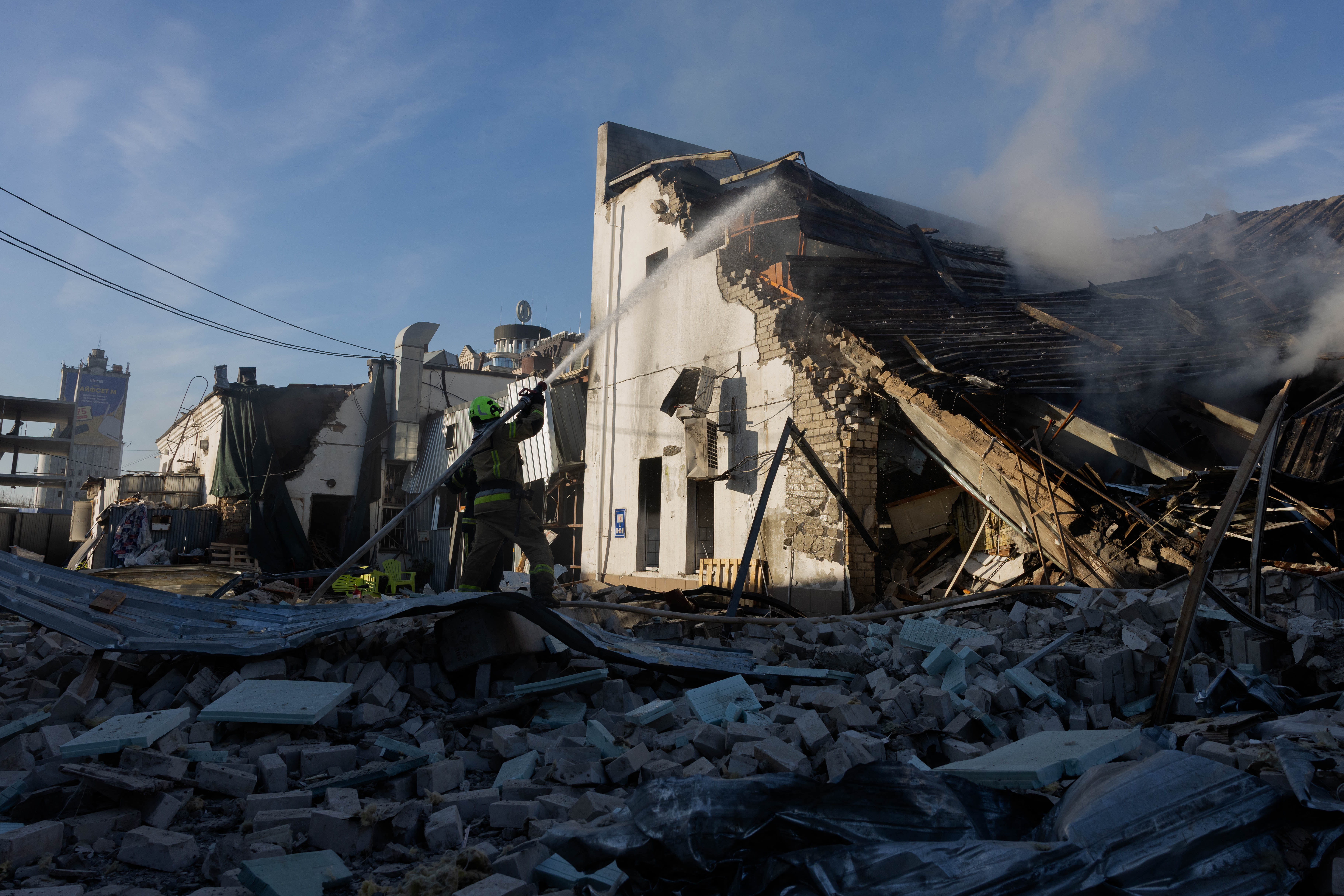
Recent months have seen an increasing number of drone attacks targeting logistics hubs, fuel depots, rail infrastructure, and military bases. These strikes are designed not only to damage equipment but also to disrupt supply chains and force the opponent to divert resources toward air defense.
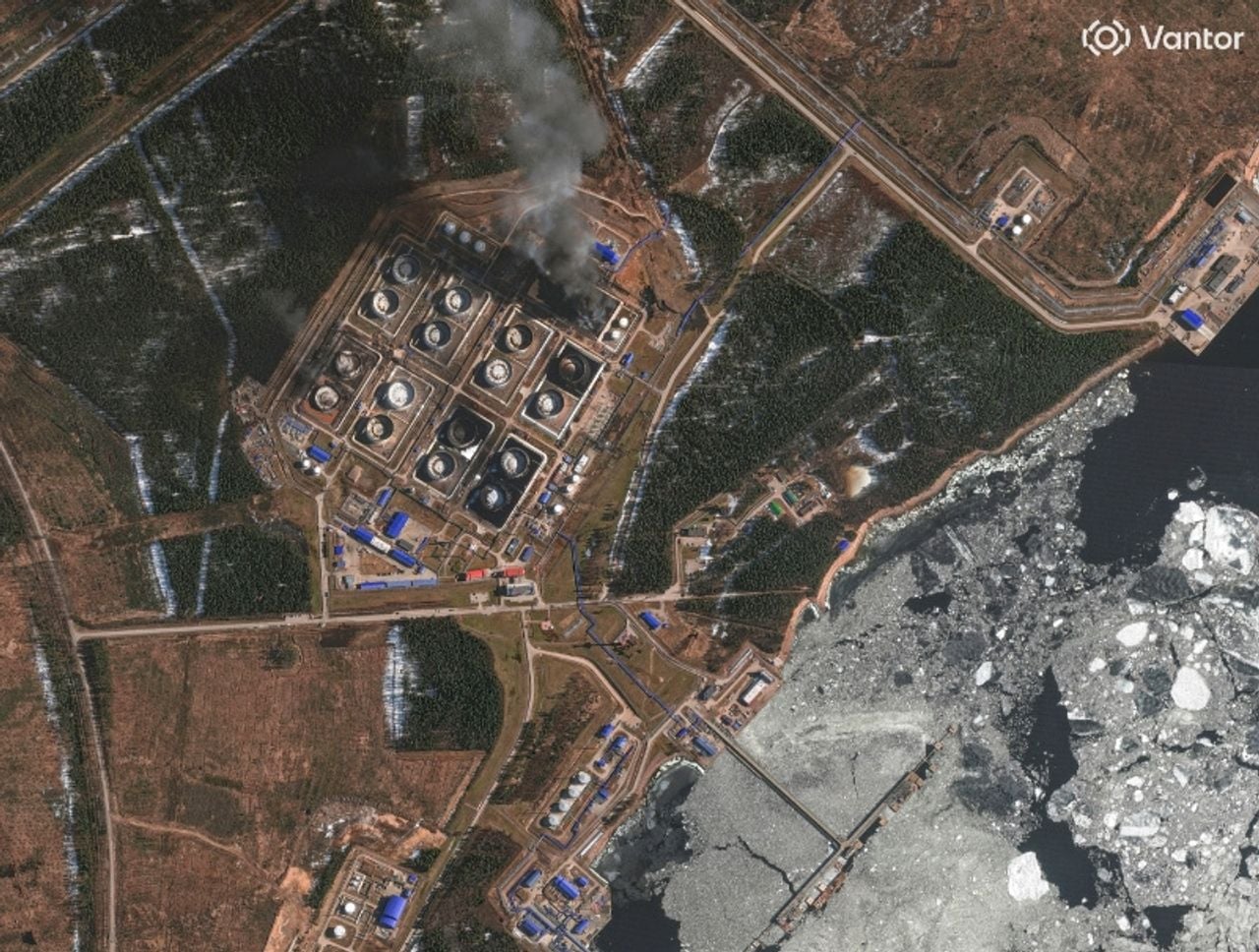
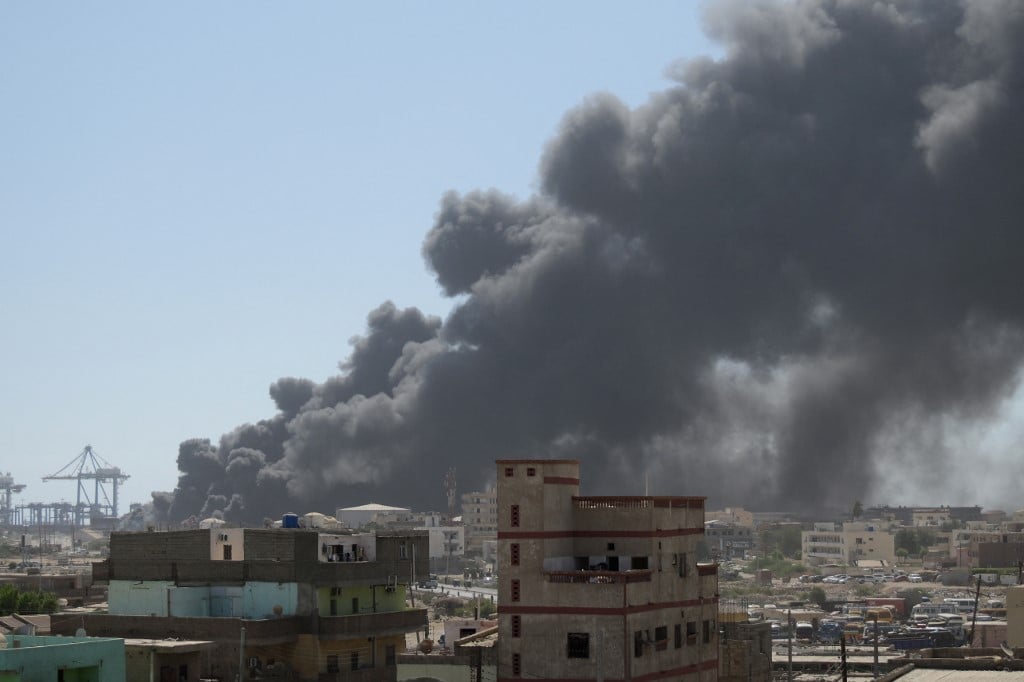
Reports of Ukrainian drones striking Russian infrastructure, including oil facilities and port infrastructure in southern Russia, have also underscored how the conflict is expanding geographically, according to international coverage of Ukrainian drone strikes on energy facilities.
Russia’s Air Defense Network Under Pressure
Russia operates one of the largest integrated air defense systems in the world, combining radar detection networks with long-range surface-to-air missile systems designed to intercept aircraft, cruise missiles, and drones.
During the overnight attack, defense units reportedly tracked the incoming drones across multiple regions before intercepting them using ground-based air defense systems.
Officials said many of the drones were destroyed before entering the Moscow metropolitan area, while others were neutralized at higher altitudes, causing debris to fall outside densely populated districts.
The scale of the attempted attack follows previous incidents in which Russian authorities reported missile or drone operations targeting cities and infrastructure, including drone alerts over Moscow earlier in the war.
Missile Alerts in Tel Aviv
While the Russia Ukraine war continues to dominate security concerns in Eastern Europe, events in the Middle East are adding another layer of instability to the global geopolitical landscape.
In Tel Aviv, air raid sirens sounded across the city after Israeli military authorities reported detecting missiles launched from Iran. Residents rushed to shelters as explosions echoed across the skyline, believed to be the result of air defense interceptors engaging incoming projectiles.
Missile alerts were activated across dozens of cities in central Israel and parts of the West Bank, according to Israel’s national warning system.
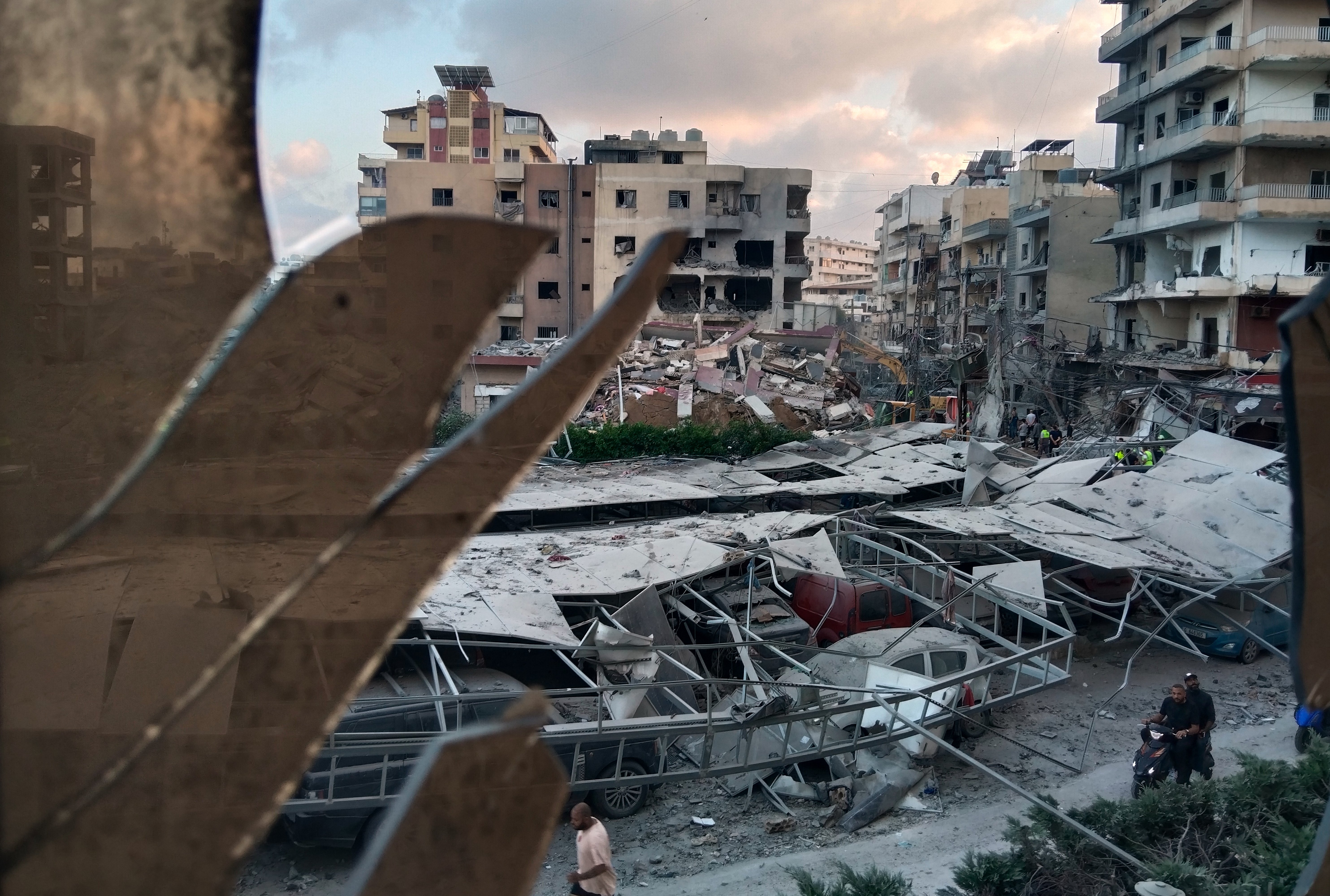
Witnesses reported hearing loud blasts in the skies above Tel Aviv as air defense systems attempted to intercept the missiles. Recent reporting shows how Iranian missile fragments have struck buildings in Israel, reflecting the growing intensity of the regional confrontation.
Earlier in the day, central Israel had already experienced several missile strikes. Reports indicated that at least two people were injured by falling missile fragments.
Iran’s Missile Campaign Expands
Iran has increasingly relied on ballistic missiles and drones to project power across the Middle East. These systems allow Tehran to strike targets hundreds or even thousands of kilometers away without deploying conventional forces.
In recent weeks, Iranian missile launches have triggered air raid alerts across multiple Israeli cities. Tel Aviv, Israel’s largest metropolitan area and economic hub, has become a frequent target due to its strategic and symbolic importance.
Images and reporting have shown how sirens and interceptors light up the night sky during Iranian missile barrages targeting Israel.
The broader regional conflict continues to escalate as Israeli and US strikes on Iranian territory triggered retaliatory missile attacks across the region, according to ongoing coverage of the conflict.
A World of Parallel Conflicts
The overnight developments illustrate how multiple geopolitical crises are unfolding simultaneously across different regions of the world.
In Eastern Europe, the Russia Ukraine war continues to evolve into a high-tech conflict dominated by drones, missiles, and electronic warfare.
In the Middle East, the confrontation between Iran and Israel has expanded into a broader regional struggle involving missile strikes, drone attacks, and shifting alliances.
Together, these conflicts are reshaping global security dynamics and raising concerns about the potential for wider escalation.
For now, the latest reports indicate that Russian air defenses succeeded in neutralizing the massive drone barrage aimed at Moscow, while Israeli air defenses responded to the latest missile launches toward Tel Aviv. But with both wars intensifying and technological warfare advancing rapidly, the coming weeks may prove critical in determining whether these conflicts stabilize or spiral into even larger confrontations.