Global financial markets are entering a dangerous new phase of volatility, as war-driven energy shocks collide with central bank uncertainty, pushing stocks into a sustained decline and forcing investors to reassess the trajectory of the global economy.
On Friday, major US indexes extended losses for a fourth consecutive week, with the S&P 500 falling sharply alongside the Dow Jones Industrial Average and the Nasdaq Composite. The sell-off reflects a deeper shift in market psychology: investors are no longer betting on economic recovery, but instead bracing for prolonged instability driven by geopolitical conflict and persistent inflation, as stocks are sinking across global markets.
At the center of this upheaval is the rapidly escalating war involving Iran, which has disrupted global energy flows, sent oil prices surge, and effectively derailed expectations that the Federal Reserve would begin cutting interest rates in 2026.
Oil Shock Reverberates Across Global Markets
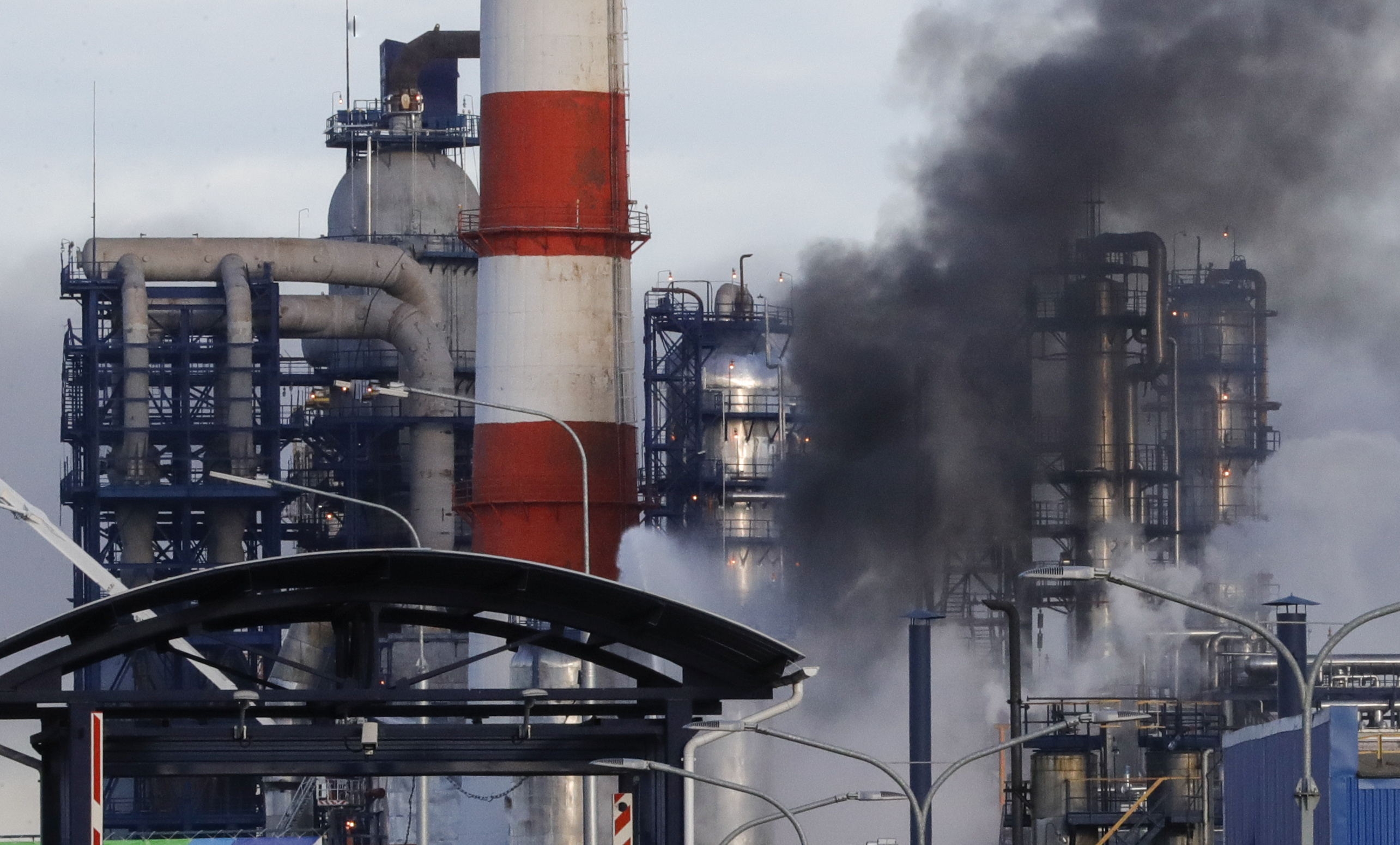
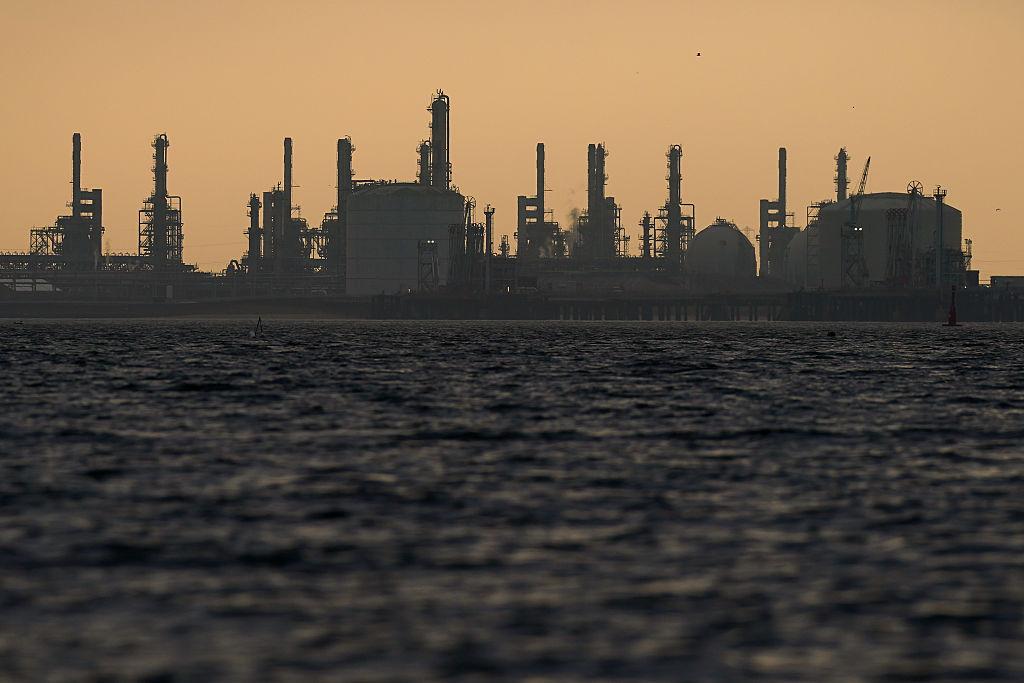
The immediate trigger for the current market downturn is the sharp rise in energy prices. Recent reporting shows oil prices rise sharply as conflict intensifies across the Middle East, raising fears of prolonged supply disruption and economic fallout
This dynamic has already been documented in oil prices surge coverage, where markets began reacting to the first wave of supply shocks. Analysts warn that if disruptions continue, the global economy could face sustained inflationary pressure.
The surge is not merely a short-term reaction. It reflects structural risks to global supply chains, particularly through key shipping routes that handle a large share of global oil trade. These disruptions are creating a cascading effect across industries.
Federal Reserve Caught in a Policy Trap
For months, markets had expected rate cuts. That expectation is now collapsing. Investors are rapidly repricing risk as rate cuts delayed becomes the dominant narrative.
As inflation pressures rise, policymakers are signaling caution. The shift has pushed Treasury yields higher and strengthened expectations that interest rates remain elevated, removing a key pillar of support for equities.
A Market Driven by War, Not Fundamentals
What distinguishes this downturn is that fundamentals are no longer the primary driver. Instead, markets are reacting to geopolitical shocks. The current environment reflects what analysts describe as a transition from earnings-driven markets to crisis-driven markets.
Earlier warnings about a global markets slump are now materializing into broader weakness. In some regions, this has escalated into a full global markets crash scenario.
Attacks on energy infrastructure have intensified fears of prolonged supply disruptions, reinforcing the connection between war escalation and economic instability.
Energy Stocks Surge While Broader Market Weakens
Amid the downturn, energy companies are outperforming. Rising crude prices have pushed valuations higher, even as broader indexes decline. This divergence underscores how capital is rotating toward sectors benefiting from the crisis.
Recent developments on Wall Street highlight this split, where energy gains contrast sharply with losses in technology and consumer sectors.
Global Spillover Effects Intensify
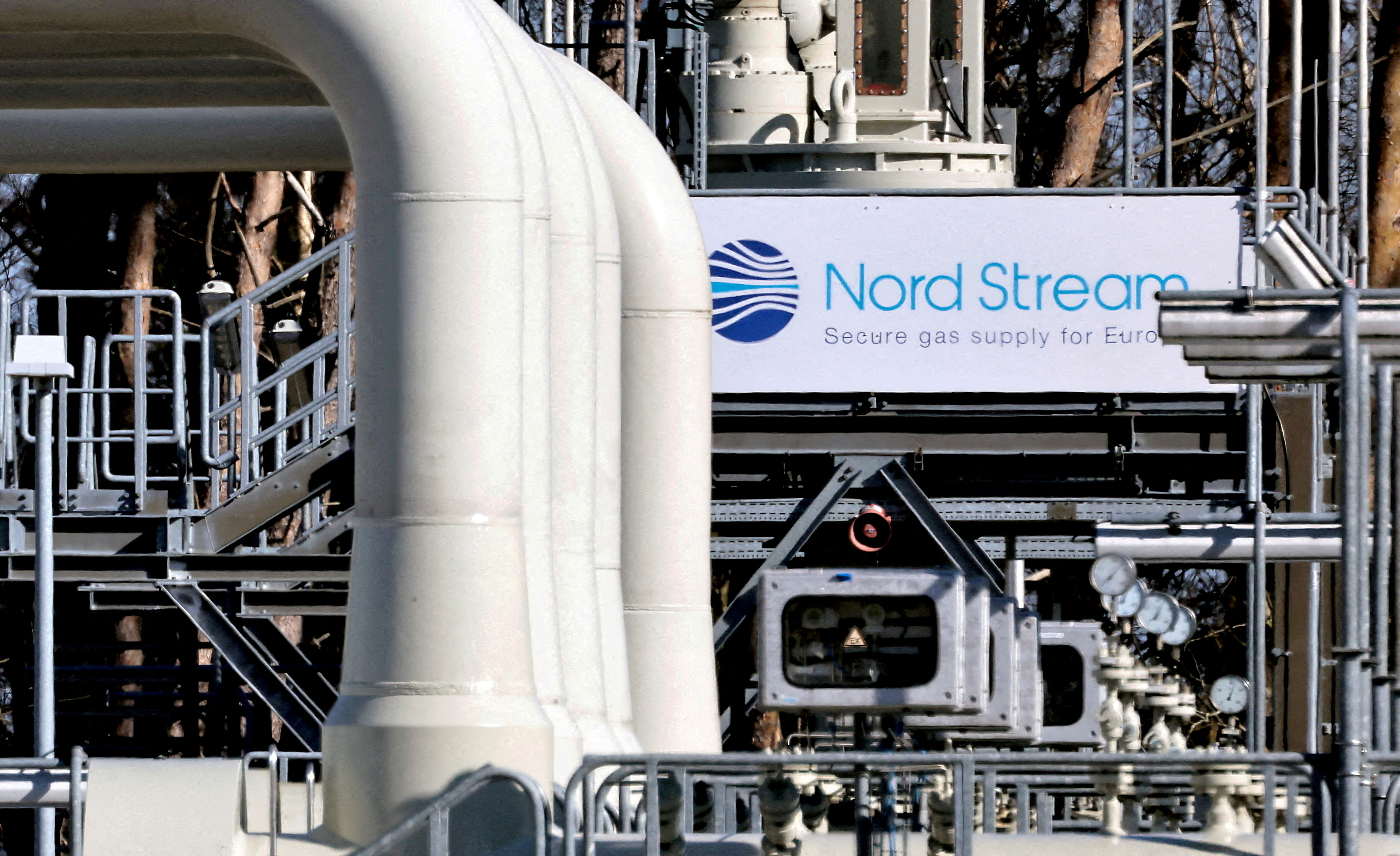
The crisis is not limited to US markets. Across Europe, rising Europe gas prices are fueling economic anxiety.
Meanwhile, the broader EU energy crisis is worsening as supply constraints tighten and inflation spreads across economies.
These developments confirm that the current shock is global in nature, affecting multiple asset classes simultaneously.
Inflation Fears Return to the Forefront
At the center of market anxiety is inflation. Rising energy costs are feeding directly into consumer prices, reinforcing inflation fears that central banks cannot ignore.
The feedback loop is clear: higher oil prices drive inflation, which forces tighter monetary policy, which in turn pressures economic growth and stock valuations.
Warning Signs of a Deeper Market Correction
Technical indicators suggest the sell-off may not be over. Market breadth has weakened significantly, indicating that losses are widespread rather than isolated.
Investors are increasingly concerned that the current downturn could evolve into a prolonged correction, particularly if energy markets remain unstable.
Markets Brace for Prolonged Volatility
Recent reporting shows Wall Street tumbles as geopolitical tensions cloud the economic outlook and delay policy easing.
With oil prices volatile and central banks constrained, markets are likely to remain under pressure in the near term.
The global stock market sell-off reflects a fundamental shift in economic conditions. War, energy shocks, and monetary tightening are now the dominant forces shaping market behavior.
As investors navigate this new environment, the path forward will depend less on corporate earnings and more on geopolitical developments that continue to reshape the global economy.