The war triggered by Israeli strikes on Iran, backed by the United States, has entered a more dangerous and politically charged phase, marked by intensifying military exchanges, economic disruption, and sharply conflicting narratives between Washington and Tehran.
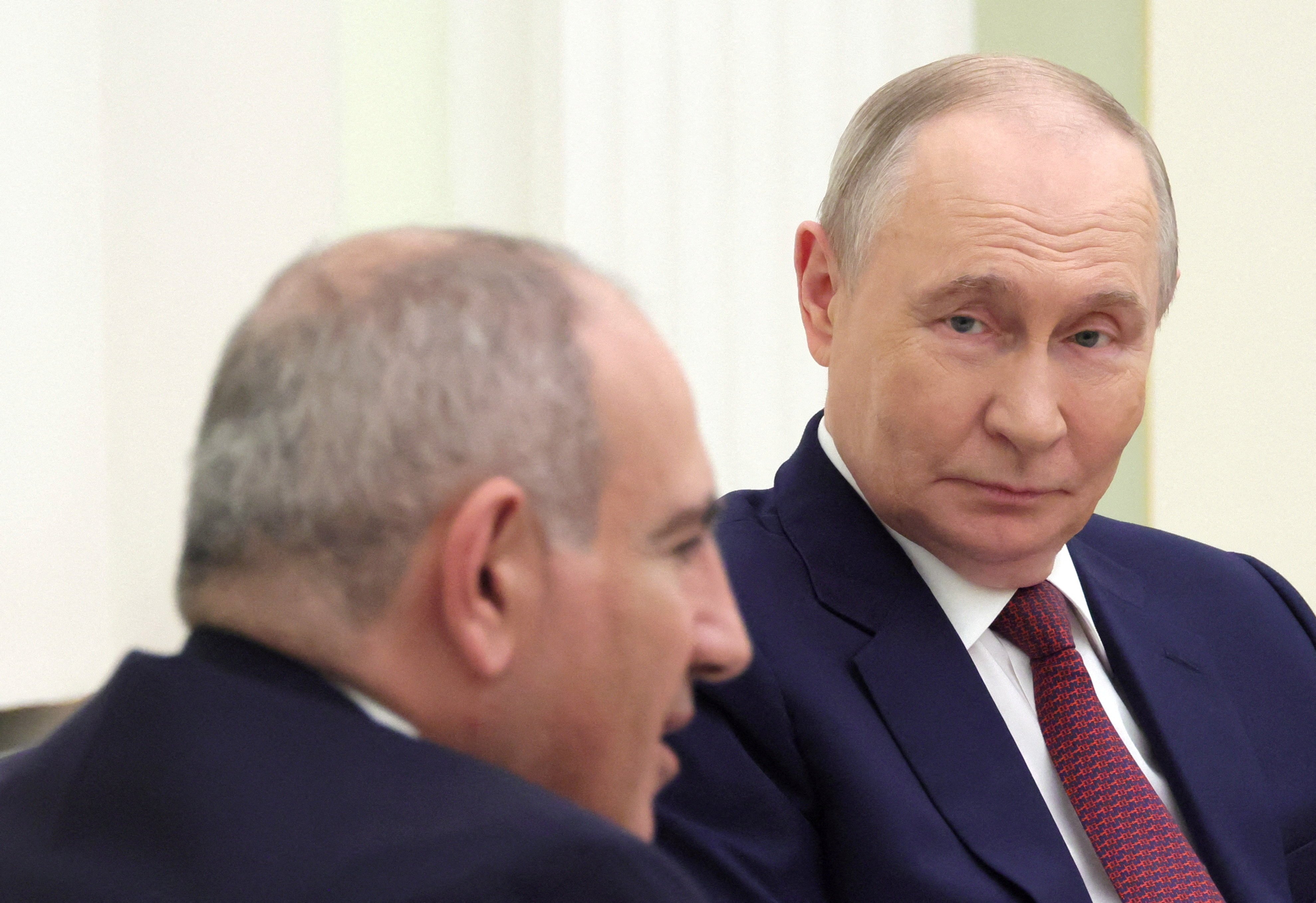
At the center of the latest dispute is Trump’s ceasefire claim, which Tehran has categorically rejected. Iranian officials described the assertion as “false and baseless,” reinforcing their position that no such request has been made even as the war expands.
The contradiction reflects a deeper credibility crisis. While Washington presents the conflict as nearing a turning point, Tehran insists it is prepared for a prolonged confrontation.
Shock and Escalation
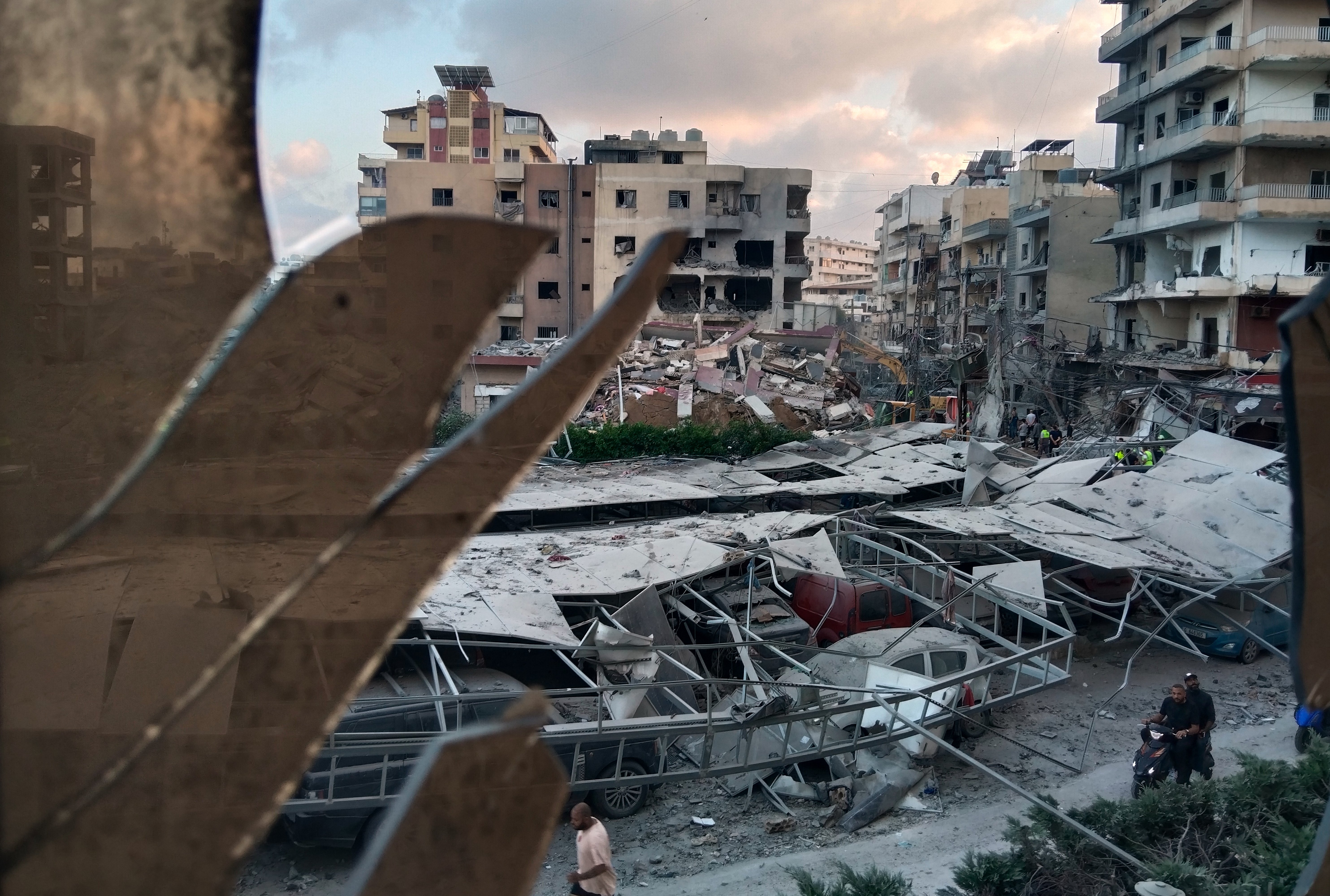
The conflict began on February 28, when Israeli forces, supported by the US, launched large-scale strikes on Iranian territory. The operation targeted military infrastructure and strategic facilities in and around Tehran, marking one of the most significant escalations in the region in recent years.
Critics have described the offensive as a strategic miscalculation, arguing that it triggered a wider war rather than containing tensions.
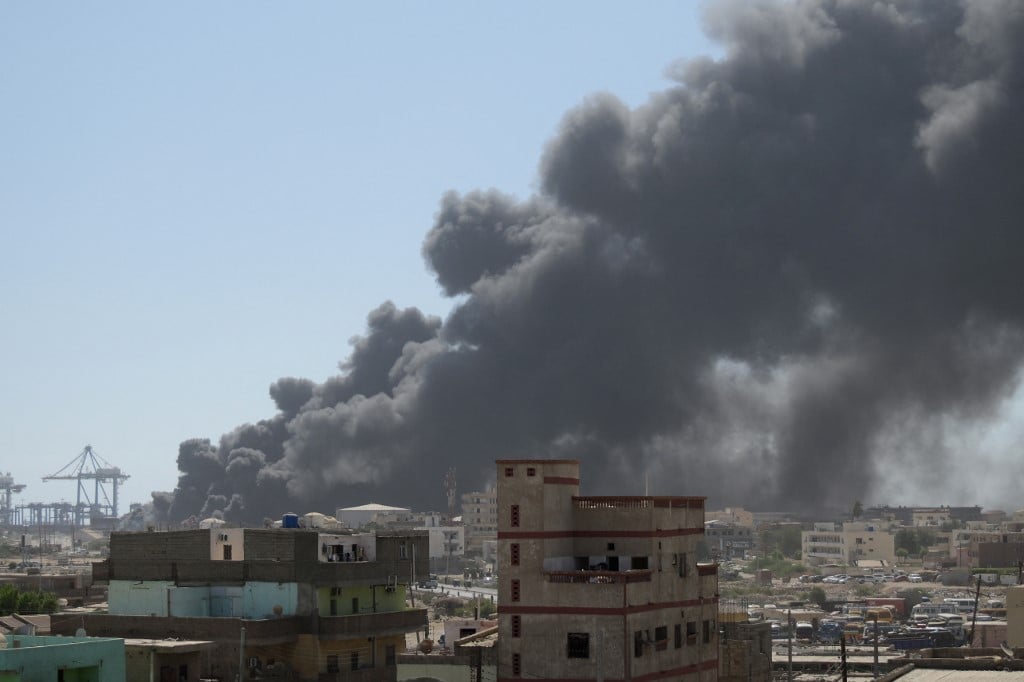
Iran responded with missile and drone strikes on Israeli territory and US-linked targets across the Middle East, rapidly transforming the conflict into a multi-front confrontation.
What followed was not deterrence, but expansion. The war now stretches across borders, involving regional actors and threatening global stability.
Tehran Rejects the Narrative
Iran has made its position clear: it did not seek a ceasefire.
According to multiple reports, Iran insists it did not request a ceasefire, directly contradicting statements made by Trump.
This rejection is central to the unfolding narrative battle. Tehran has accused Washington of spreading misinformation, suggesting that claims of a ceasefire are designed to project strength rather than reflect reality.
The dispute highlights how information itself has become a weapon in the conflict, shaping global perception as much as events on the ground.
War Expands Across the Middle East
The conflict is no longer confined to Iran and Israel.
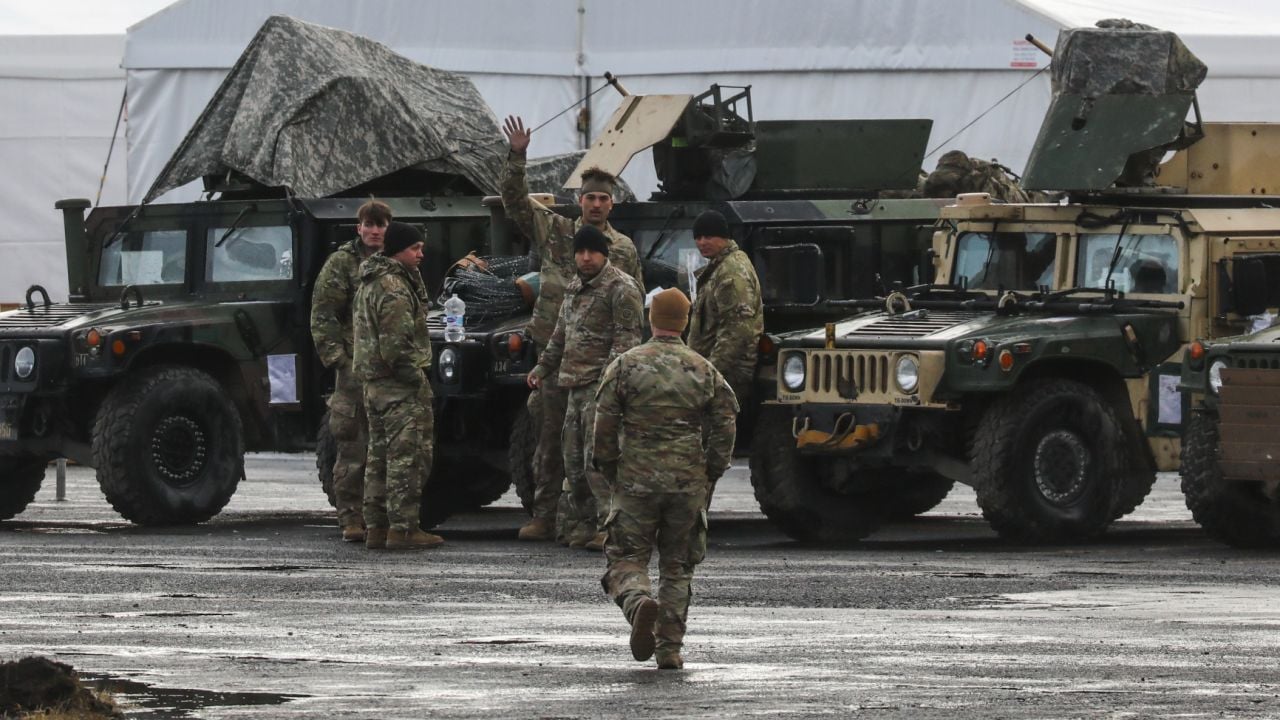
Military exchanges now involve US bases, regional allies, and strategic infrastructure. Analysts warn that the war expands across the Middle East, increasing the risk of a broader regional confrontation.
Each new strike widens the scope of the conflict, making containment more difficult and miscalculation more likely.
Oil, Power, and Pressure
Beyond the battlefield, the war is reshaping global energy markets.
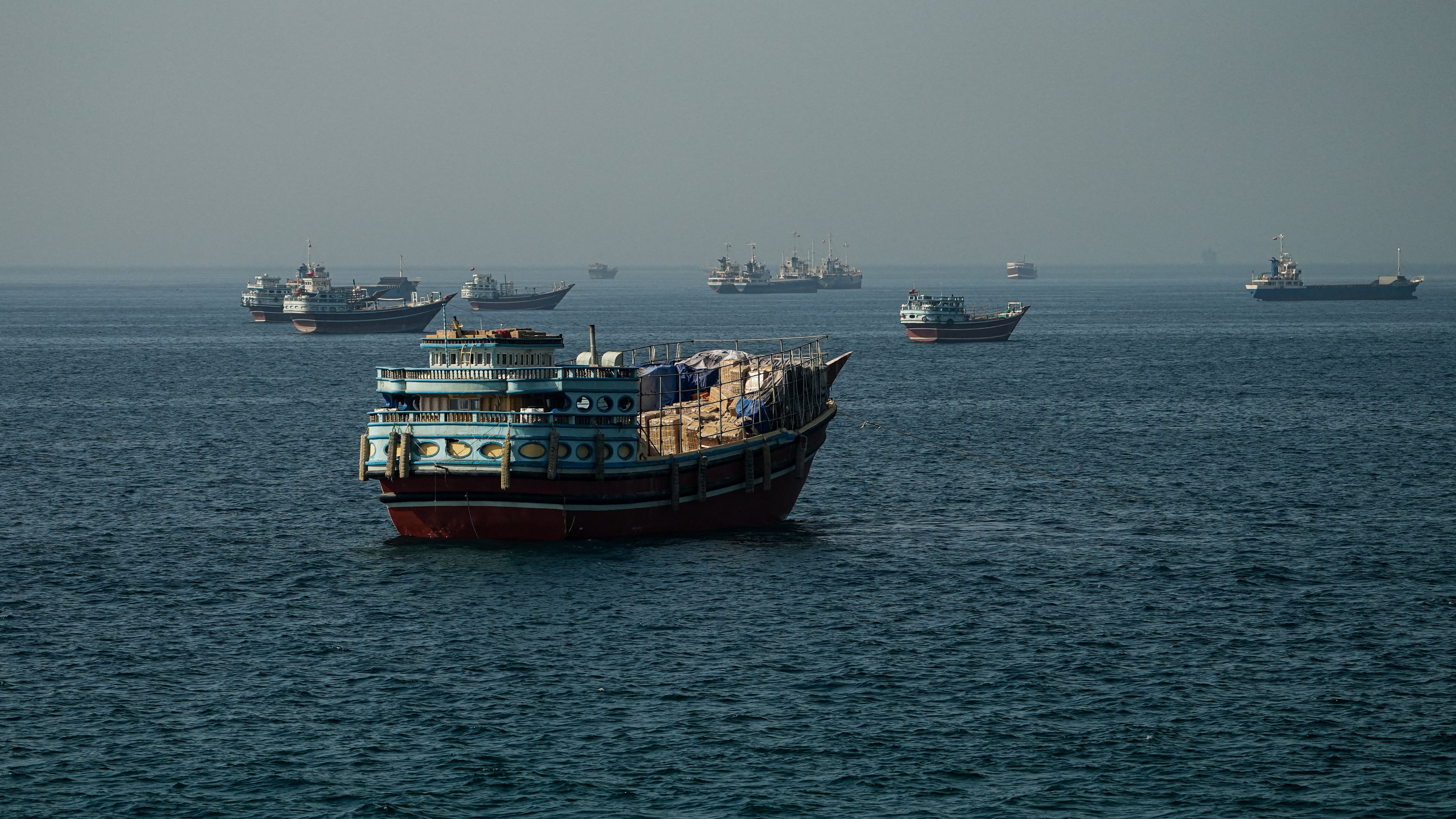
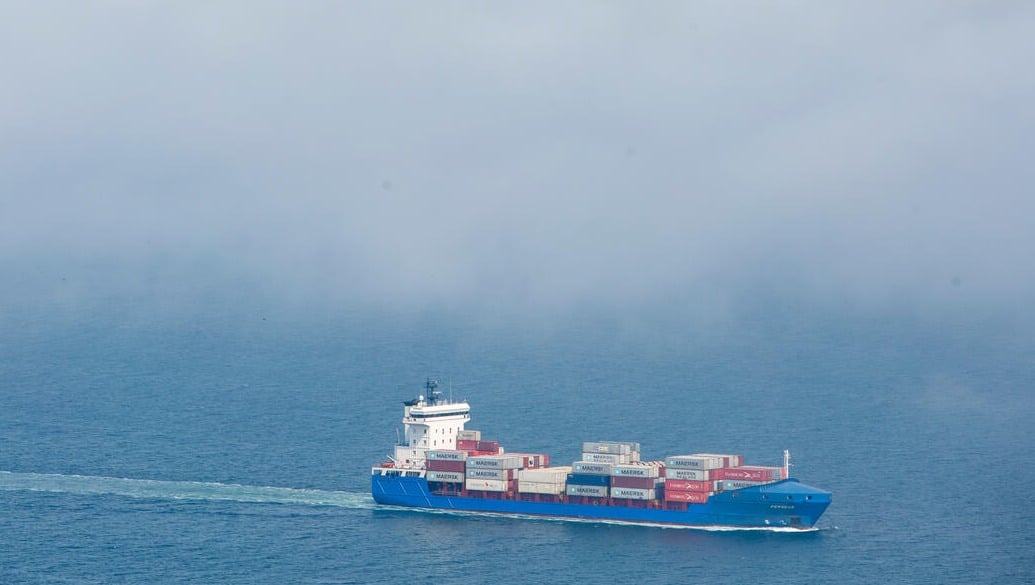
The Strait of Hormuz, a critical oil transit route, has become a central pressure point. Disruptions to shipping have sent shockwaves through global markets, raising fears that oil prices could surge further if the crisis continues.

For Washington, reopening Hormuz has become a priority. Critics argue this reveals a deeper focus on energy security rather than de-escalation.
Growing Criticism of US Strategy
The US role in the war is facing increasing scrutiny.
Trump has issued threats targeting Iran’s infrastructure, raising concerns among legal experts and international observers. Reports highlight threats to Iran’s energy infrastructure, intensifying fears of broader escalation.
At the same time, divisions within Western alliances are becoming more visible. Trump has openly criticized European governments for refusing to join the war effort.
In one instance, Trump criticized European allies, exposing fractures that could reshape long-term geopolitical alignments.
Some analysts argue that these divisions weaken the legitimacy of the US-led campaign and complicate efforts to build international consensus.
Contradictions in Washington
Even as military operations continue, US messaging appears inconsistent.
In an interview, Trump suggested that US may leave the war quickly, even while maintaining pressure on Iran.
At the same time, reports indicate that new mediators are emerging in the conflict, signaling a shift away from traditional Western-led diplomacy.
These mixed signals have fueled skepticism about Washington’s long-term strategy, raising questions about whether the war is being driven by clear objectives or reactive decision-making.
Internal Pressure and Global Fallout
The consequences of the war are being felt far beyond the battlefield.
Inside the United States, rising fuel prices and economic uncertainty are increasing domestic pressure on the administration. Globally, the disruption of energy supplies is affecting markets and economies.
The conflict has also altered geopolitical dynamics. Analysts suggest that the war may ultimately strengthen Iran’s position, rather than weaken it, challenging assumptions behind the initial strikes.
A War of Narratives and Power
At its core, this is not only a military conflict but a struggle over narrative and influence.
The framing of events — whether Iran is seeking peace or preparing for prolonged resistance, has become central to how the war is understood.
By promoting the idea that Tehran is seeking a ceasefire, Washington may be attempting to shape perception, project control, and manage global reactions.
Tehran, however, is pushing back forcefully, rejecting what it sees as a manufactured narrative.
The phrase Israel attacks Iran may describe how the conflict began, but it no longer captures its full scope.
This is now a war defined by escalation, economic pressure, and competing narratives, with the United States at the center of both the military campaign and the controversy surrounding it.
As long as contradictions persist and diplomacy remains uncertain, the conflict is likely to deepen, with consequences that extend far beyond the Middle East.