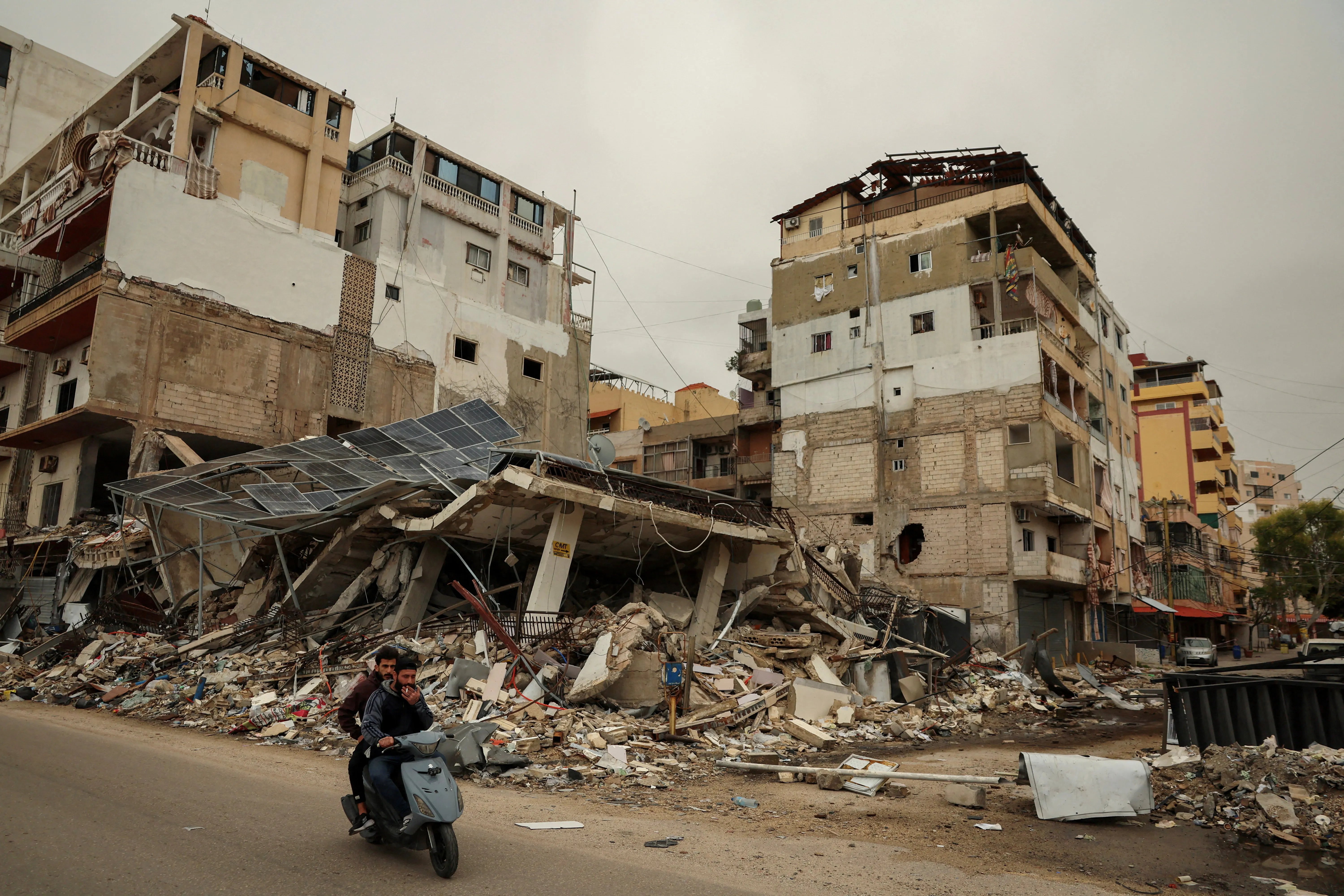
Relentless Israeli-led attacks on Iranian military infrastructure and senior figures have triggered sustained retaliation from Tehran, deepening fears of a prolonged regional war with global consequences.
The latest phase of the conflict between Israel and Iran has intensified into a sustained and highly coordinated military confrontation, marked by precision airstrikes, targeted assassinations, and escalating missile exchanges. What began as a strategic offensive has evolved into a broader regional crisis, with both sides demonstrating capability and intent to continue operations despite mounting international concern.
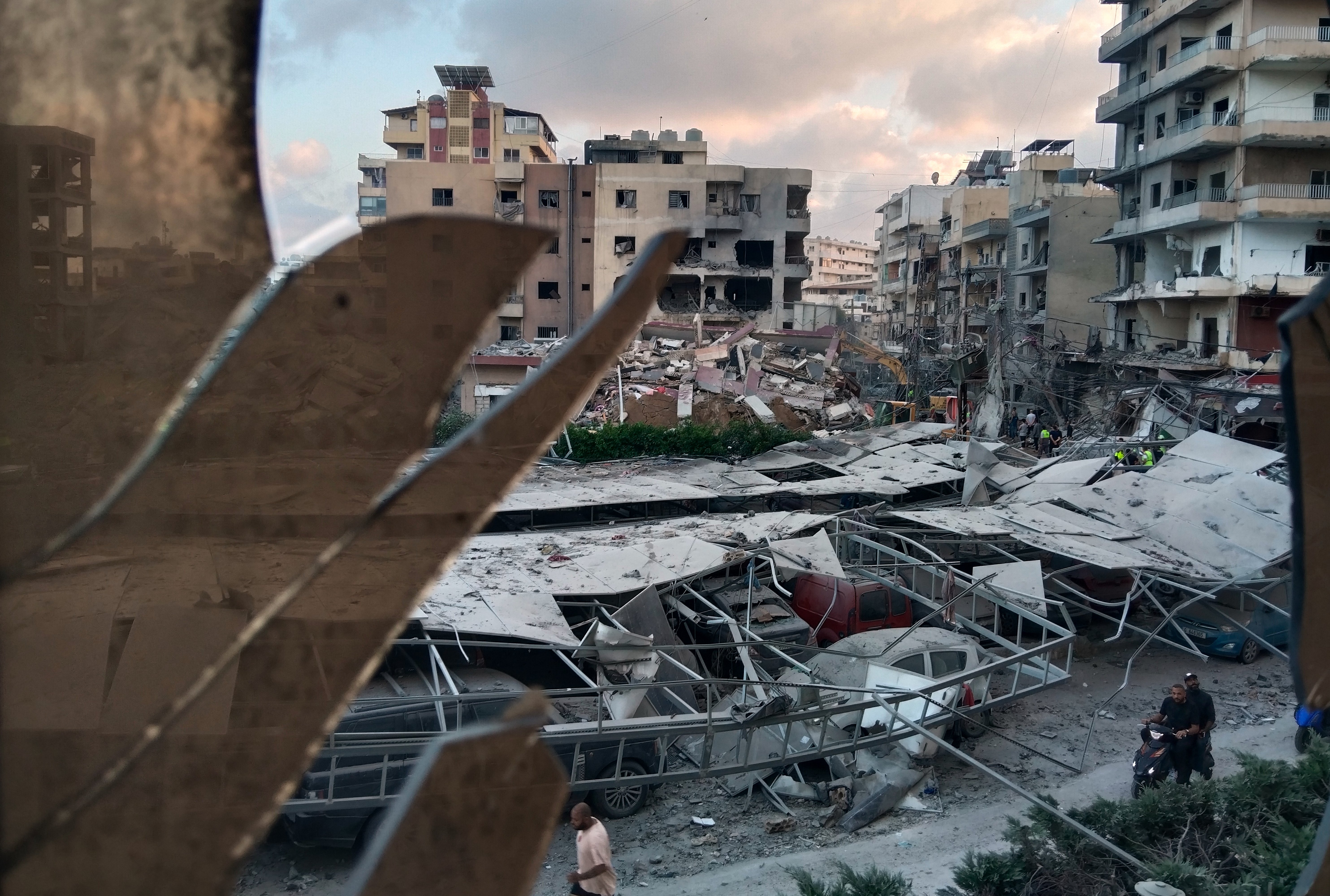
Israeli military operations have focused heavily on dismantling Iran’s military infrastructure, including missile production facilities, air defense systems, and command centers. In recent strikes, Israeli forces hit hundreds of targets across Iranian territory, deploying hundreds of munitions in a concentrated campaign designed to degrade Tehran’s operational capabilities.
Among the most consequential elements of the Israeli strategy has been the targeting of Iran’s leadership network. Intelligence-driven strikes have reportedly eliminated or injured key figures within Iran’s political and military establishment. This approach reflects a broader shift toward high-precision warfare, aided by advanced surveillance and artificial intelligence systems, raising legal and ethical concerns explored in Israel Attacks Iran Civilian Deaths AI Targeting Legal Questions.
Yet, despite the scale and intensity of Israeli operations, Iran has not been neutralized. Instead, Tehran has responded with continued missile attacks and drone operations targeting Israeli territory and regional assets, reinforcing the dynamics detailed in Israel Attacks Iran War Backfires as Tehran Strikes Back. Air raid sirens have become a recurring feature across Israeli cities, as defense systems intercept incoming projectiles while some strikes manage to inflict damage and casualties.
Iran’s retaliatory strategy has included ballistic missile launches aimed at urban and strategic locations, demonstrating that its offensive capabilities remain intact. Even as the frequency of attacks fluctuates, Iranian forces have maintained pressure through repeated salvos, signaling resilience in the face of sustained bombardment, consistent with ongoing missile attacks reported across the region.
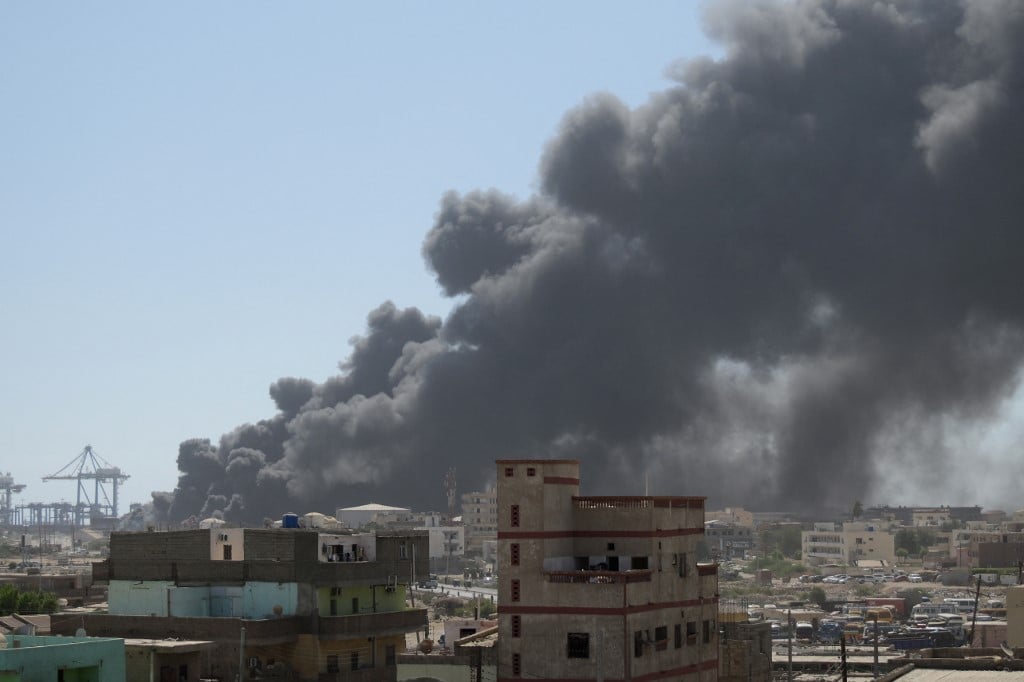
The conflict has also expanded beyond direct exchanges between Israel and Iran. Regional actors aligned with Tehran have intensified their involvement, launching attacks that further complicate the security landscape. From Lebanon to the Gulf, missile and drone strikes have targeted infrastructure and military positions, raising the risk of a broader regional war.
The human cost of the conflict continues to rise sharply. Thousands of casualties have been reported in Iran since the onset of the strikes, with civilian populations bearing a significant portion of the burden. Humanitarian organizations have warned of a worsening humanitarian crisis, as infrastructure damage disrupts access to medical care, electricity, and basic services.
Within Israel, missile strikes have caused casualties and widespread disruption, forcing civilians into shelters and straining emergency response systems. The psychological toll of constant alerts and uncertainty has become a defining feature of daily life as the conflict drags on.
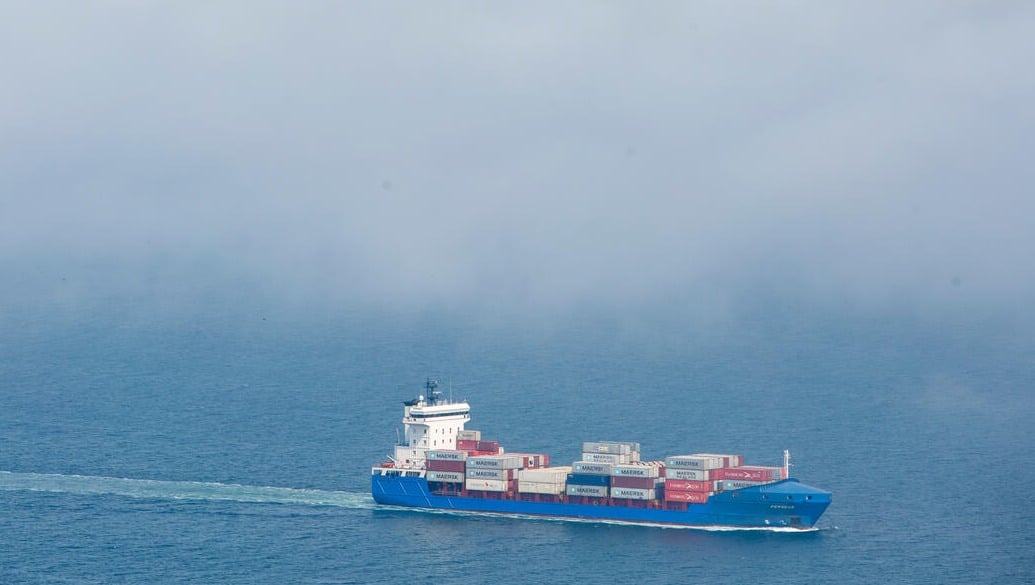
Beyond the immediate battlefield, the war is reshaping global economic and geopolitical dynamics. One of the most critical flashpoints is the Strait of Hormuz, a vital artery for global energy supplies. Disruptions to shipping through the strait have triggered sharp increases in oil prices, with ripple effects across global markets.
The economic consequences are being felt far beyond the Middle East. Rising energy costs, supply chain disruptions, and market volatility are placing pressure on economies worldwide, particularly in regions already facing financial instability. Governments and international organizations are scrambling to mitigate the impact, but uncertainty remains high.
Diplomatic efforts to de-escalate the conflict have so far yielded little progress. Public statements from Washington have suggested that military objectives are close to being achieved, but ongoing strikes and continued Iranian retaliation indicate that the situation remains far from resolved. These competing narratives mirror earlier ceasefire claims examined in Israel Attacks Iran Trump Pressure End War Ceasefire Denied.
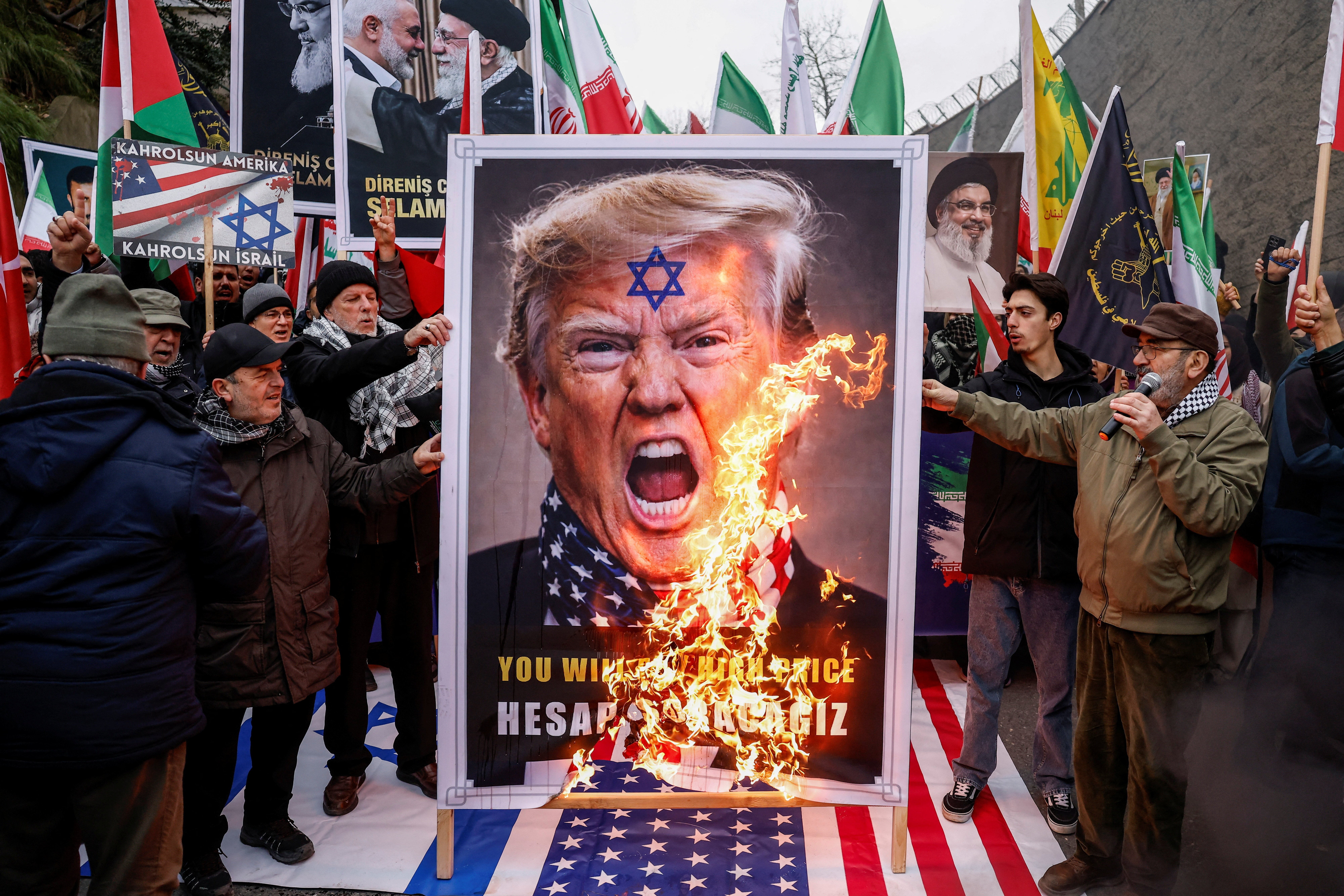
Iranian officials have rejected claims of any imminent ceasefire, emphasizing that their response will continue as long as attacks persist. This divergence in narratives highlights the deep mistrust between the parties and the difficulty of achieving a negotiated settlement in the near term.
Strategically, the conflict underscores a fundamental reality: while military operations can degrade capabilities, they do not necessarily produce decisive political outcomes. Despite significant losses, Iran’s leadership structure remains functional, and its ability to sustain retaliation has not been eliminated.
At the same time, Israel’s campaign reflects a determination to reshape the strategic balance in the region by targeting not only military assets but also the networks that sustain Iran’s influence. Whether this approach will achieve its long-term objectives remains uncertain.
The broader implications of the conflict are profound. The involvement of multiple actors, the disruption of global energy flows, and the absence of effective diplomatic efforts all point to a prolonged period of instability. As the situation evolves, the risk of miscalculation or unintended escalation remains a constant concern.
For now, the conflict continues with no clear endpoint. Airstrikes, missile launches, and political rhetoric reinforce a cycle of escalation that shows little sign of breaking. The consequences, both regional and global, are likely to reverberate long after the immediate hostilities subside, as previously outlined in Israel Attacks Iran Trump Says US Will Leave War in Weeks and Israel Attacks Iran Tehran Strikes Hormuz Oil Crisis.