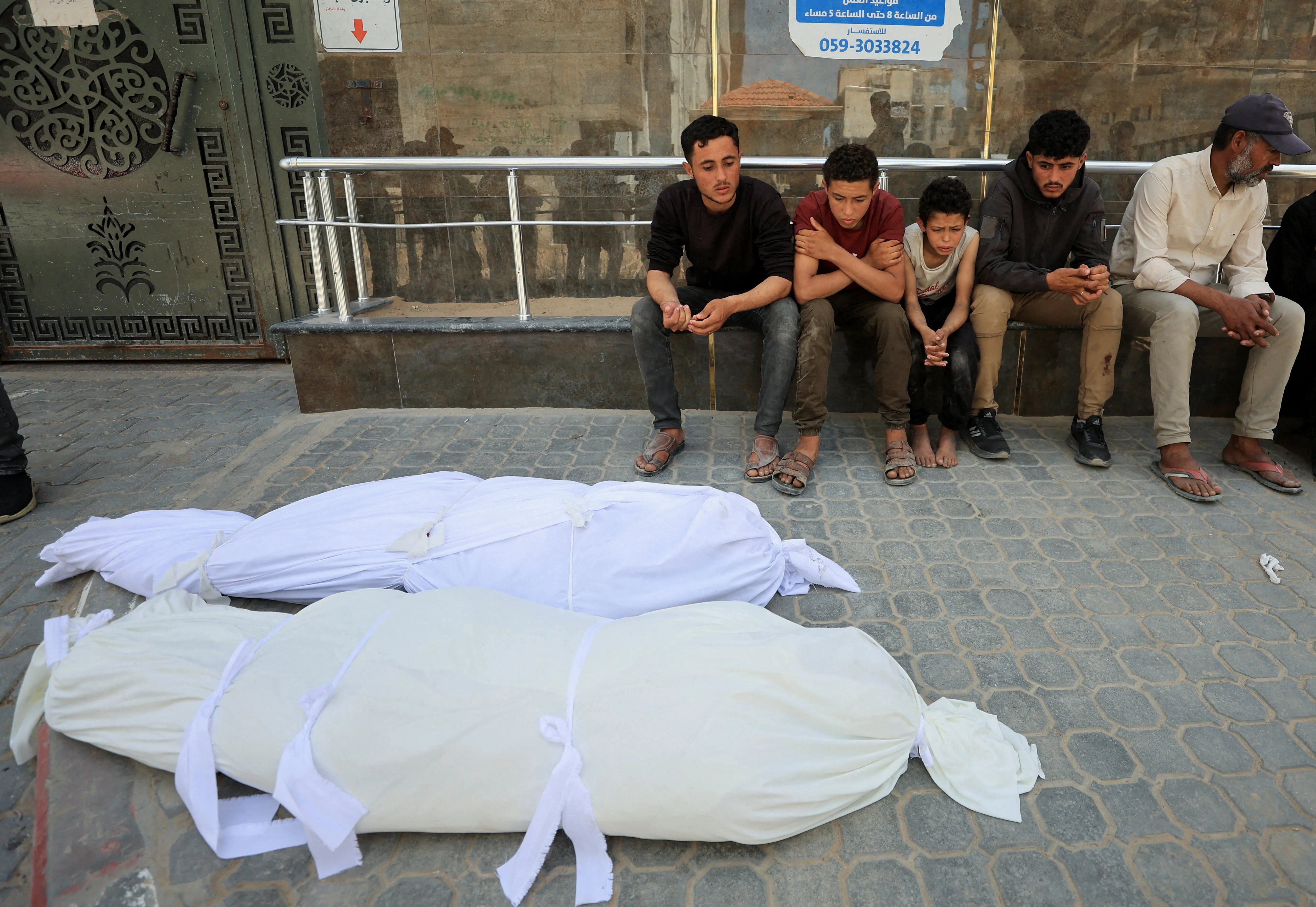
GAZA — The fragile illusion of calm in Gaza has once again been shattered. Recent Israeli attacks killing civilians have left several Palestinians dead over the past two days, according to local health officials, in what residents describe as a continuation of a war that never truly paused.
The killings come months after a US-brokered ceasefire agreement in October 2025, an arrangement that was supposed to halt large-scale hostilities. Instead, Gaza remains trapped in a cycle of intermittent bombardment, daily fear, and deepening instability.
A war without pause
In northern Gaza, a drone strike killed two brothers, according to hospital sources, adding to a growing list of civilian casualties. Residents say such attacks have become routine, sudden, unpredictable, and often devastating.
Across the territory, scenes of mourning are now constant. Families gather around bodies wrapped in white shrouds. Children, many of them survivors of earlier bombings, watch as yet another wave of violence claims lives in their neighborhoods.
The persistence of these attacks reflects a broader trend. More than 750 Palestinians have been killed since the ceasefire, according to multiple reports, highlighting the limited impact of diplomatic efforts on the ground.
Civilians at the center
The toll on civilians has been staggering. Women and girls killed daily during the Gaza war reflect the disproportionate burden borne by civilians, with children among the victims.
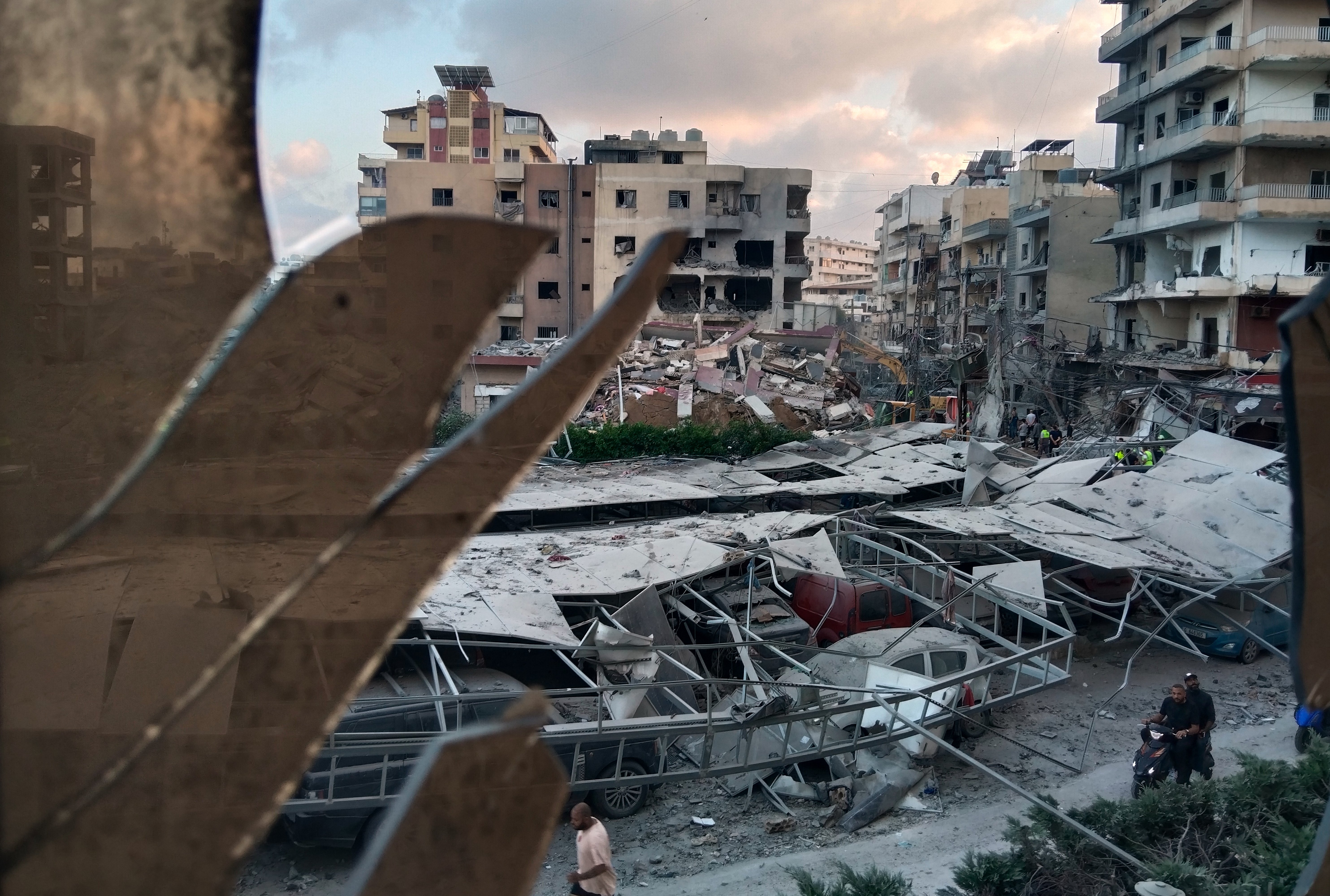
In one recent incident reported by medics, at least 11 Palestinians, including children, were killed in Israeli strikes across Gaza. Witnesses described chaotic scenes: shattered buildings, wounded civilians carried through debris-filled streets, and overwhelmed hospitals struggling to cope.
Nearby, Israeli strikes killing civilians including journalists have further underscored the widening scope of casualties.
“What was his fault?” one grieving father asked, holding the body of his young son, according to accounts from the ground.
Expanding zones, shrinking safety
Palestinians say the geography of danger is expanding. Areas once considered relatively safer are no longer spared, while Israeli-controlled zones continue to shift, further limiting where civilians can seek refuge.
Human rights observers have repeatedly warned that densely populated neighborhoods and civilian shelters are no longer protected. A recent airstrike near a school sheltering displaced Palestinians highlighted the risks faced by civilians seeking refuge.
Competing narratives
Israeli officials maintain that their operations are aimed at preventing attacks by militant groups and targeting armed individuals. Palestinian authorities and international observers, however, describe a different reality, one marked by rising civilian casualties and growing genocide allegations in international forums.
Humanitarian collapse deepens
Beyond the immediate casualties, the broader humanitarian collapse continues to worsen.
Gaza’s healthcare system, already strained after years of blockade and war, is now operating under extreme pressure. Hospitals face shortages of medicine, fuel, and equipment.
Displaced families continue to move across the enclave in search of safety, often finding none.
A crisis with no clear end
For many in Gaza, the concept of a ceasefire has become largely symbolic, a term that exists on paper but bears little resemblance to daily reality.
Each new strike reinforces a sense of permanence to the violence, a belief that the war has simply entered a different phase rather than ended.
The human cost
As night falls over Gaza, the sounds of drones and distant explosions persist. Families huddle together, uncertain of what the next hours will bring.
In morgues and hospitals, the victims of the latest attacks are counted, not just as numbers, but as lives abruptly cut short.
The cycle repeats: strike, mourning, burial, and then another strike.
For civilians in Gaza, the reality is stark. The violence continues, and with it, a humanitarian crisis that shows no sign of easing.