The United States government has sharply revised its assessment of the global energy crisis unfolding in the Middle East, acknowledging that disruptions tied to the Iran conflict and the Strait of Hormuz are significantly worse than earlier estimates, deepening fears of a prolonged shock to the world economy.
The new projections from the US Energy Information Administration mark one of the clearest acknowledgments yet from Washington that the scale of the disruption has exceeded previous assumptions made by policymakers and traders in the opening months of the crisis.
The revised outlook arrives as global oil markets continue to convulse under the weight of military escalation, shipping insecurity, collapsing inventories, and growing concerns that one of the world’s most strategically important maritime corridors may remain unstable far longer than expected.
According to the EIA, supply disruptions across the Gulf are now expected to peak at roughly 10.8 million barrels per day, substantially higher than earlier projections. The agency also warned that global inventories are falling at a much faster pace than previously forecast, while the closure and disruption surrounding the Strait of Hormuz crisis could continue through late May and potentially beyond.
For months, financial markets had attempted to price in the possibility of a temporary supply shock. But the latest revisions from Washington have intensified concerns that the crisis is evolving into a broader structural disruption capable of reshaping energy markets, inflation expectations, and geopolitical alliances.
Brent crude has already surged above $100 a barrel, with analysts warning that prices could climb sharply higher if disruptions persist through June. The EIA said prices could jump by another $20 per barrel if disruptions continue, intensifying what many traders now describe as a global oil supply shock.
The International Energy Agency delivered an equally stark warning this week, saying global oil supply is now expected to fall below total demand for the remainder of the year because of the Iran war and disruptions across Gulf energy infrastructure.
The agency now forecasts a supply deficit of nearly 1.8 million barrels per day for 2026, a dramatic reversal from earlier expectations that markets would remain comfortably supplied. Oil inventories, according to the latest Oil Market Report, are being depleted at one of the fastest rates in modern history.
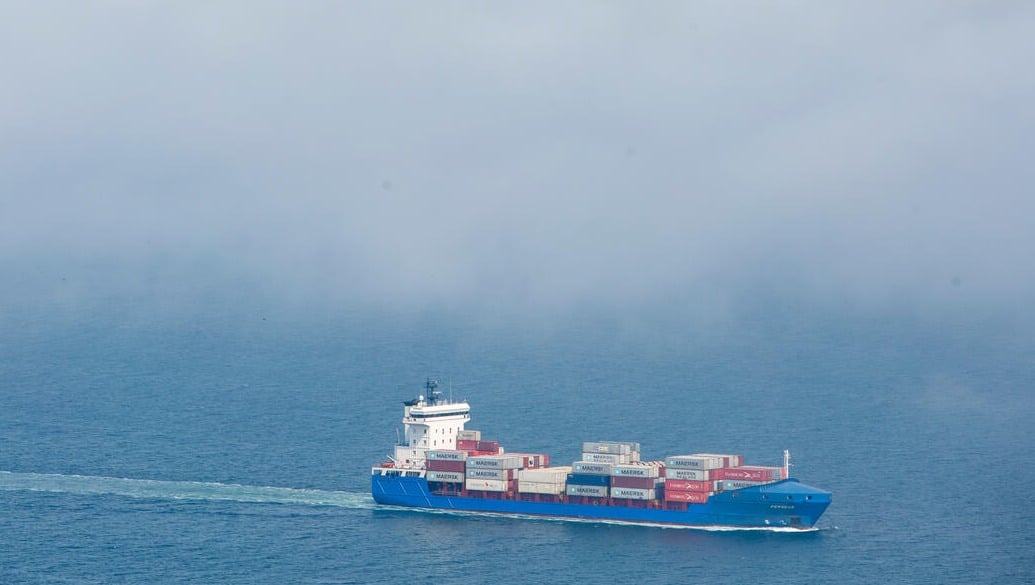
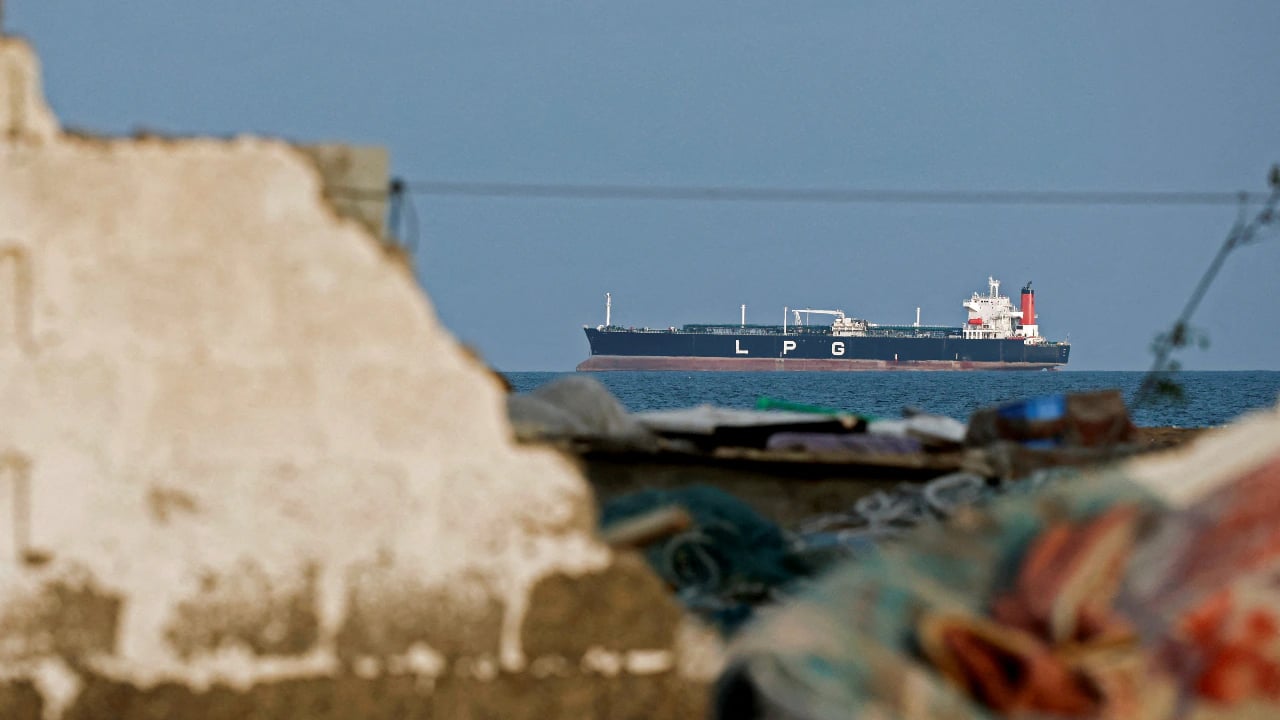
At the center of the crisis is the Strait of Hormuz, the narrow waterway through which roughly one-fifth of global oil and liquefied natural gas flows every day. Since the escalation of the Middle East conflict earlier this year, commercial shipping routes through the strait have come under repeated threat from missile attacks, naval confrontations, and rising insurance risks.
Iran’s growing ability to disrupt maritime traffic in the Gulf has forced energy markets to confront a reality long discussed by strategists but rarely tested on this scale. Even temporary interruptions in Hormuz have historically rattled global markets. The current disruption, analysts say, is operating on a far larger scale.
“This is no longer a short-term pricing event,” one European energy strategist said Wednesday. “The market is beginning to understand that the infrastructure of globalization itself is vulnerable.”
The economic consequences are already spreading far beyond oil markets.
Higher crude prices are pushing up transportation costs, industrial production expenses, petrochemical prices, and consumer inflation across major economies. In the United States, gasoline prices are expected to rise sharply in the coming weeks, intensifying global inflation risks and increasing political pressure on the White House.
European economies, already weakened by sluggish growth and manufacturing slowdowns, are also facing renewed energy vulnerability. Several Asian governments dependent on Gulf imports have begun seeking emergency alternative supply arrangements as fears grow that the disruption could continue through the summer.
Meanwhile, oil-producing states outside the Gulf are benefiting from surging global demand. Norway’s Equinor said interest from Asia-Pacific buyers has risen sharply as countries attempt to secure non-Gulf supplies amid mounting uncertainty in the Middle East.
The crisis has also exposed the limits of Western assumptions regarding the resilience of global energy supply chains.
Earlier in the conflict, several officials in Washington projected confidence that markets would stabilize quickly and that emergency reserves, rerouted exports, and increased production elsewhere would offset most disruptions. But the scale and persistence of the Hormuz crisis have undermined those assumptions.
Some analysts are now comparing the current moment to the oil shocks of the 1970s, when geopolitical conflict in the Middle East triggered inflation spirals, recession fears, and major shifts in global economic power.
Unlike previous crises, however, the current disruption is unfolding in a world already burdened by high debt, fragile supply chains, slowing growth, and geopolitical fragmentation between the West, China, and Russia.
The energy shock is also intensifying broader strategic anxieties inside Washington.
US officials increasingly fear that prolonged instability in the Gulf could accelerate the emergence of alternative geopolitical and economic blocs as countries seek to reduce dependence on Western-controlled financial and security systems. China remains one of the largest buyers of Iranian oil, while Russia has expanded coordination with Tehran across energy and defense sectors in recent years.
At the same time, Gulf states themselves are attempting to navigate a rapidly changing regional order. Saudi Arabia and the United Arab Emirates have sought to maintain oil exports through alternative infrastructure routes, though analysts warn these systems cannot fully replace Hormuz capacity if the disruption deepens further.
The White House has publicly maintained that efforts are continuing to stabilize shipping lanes and restore market confidence. But behind the scenes, traders, refiners, and policymakers are increasingly preparing for the possibility that the crisis could become a defining economic event of 2026.
Several market analysts told Bloomberg that oil traders brace for prolonged disruption as inventories continue falling and insurance costs surge across Gulf shipping routes.
At the same time, oil prices surge across international benchmarks have reignited fears of renewed inflation and recession risks across Western economies.
Meanwhile, analysts warn that the broader global energy panic could intensify if Gulf shipping disruptions continue into the second half of the year.
The crisis is also colliding with concerns over a potential US oil output decline as shale production growth weakens amid financial pressure and declining drilling activity.
Across emerging economies, rising energy and food prices are intensifying fears of wider social and economic instability.
Some analysts are now warning that the world could face a broader global market collapse panic if military tensions escalate further across the Gulf.
Others fear that the worsening disruption could trigger prolonged global economic pain extending well beyond the energy sector.
Earlier this year, markets briefly stabilized after Iran opens Hormuz route following temporary de-escalation efforts, though traders now say those gains have largely evaporated.
Meanwhile, parts of the region remain vulnerable after global energy crisis fears intensified when Iraqi oil production suffered severe disruption earlier this year.
For now, markets remain trapped between two competing realities: hopes that diplomacy could eventually ease tensions, and fears that the Gulf is entering a prolonged period of strategic instability with consequences extending far beyond the Middle East.
What began as a regional military confrontation is rapidly becoming a global economic reckoning.