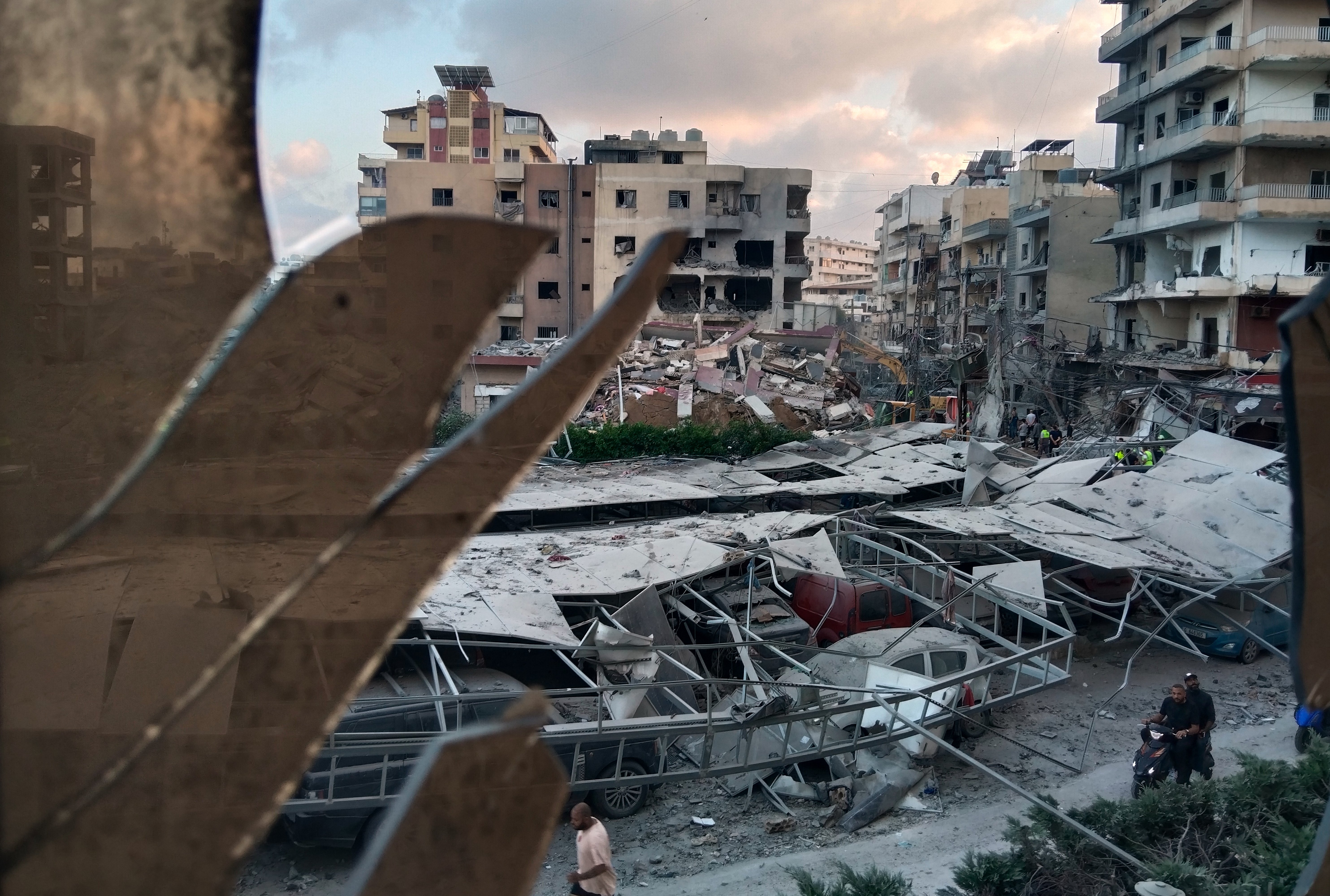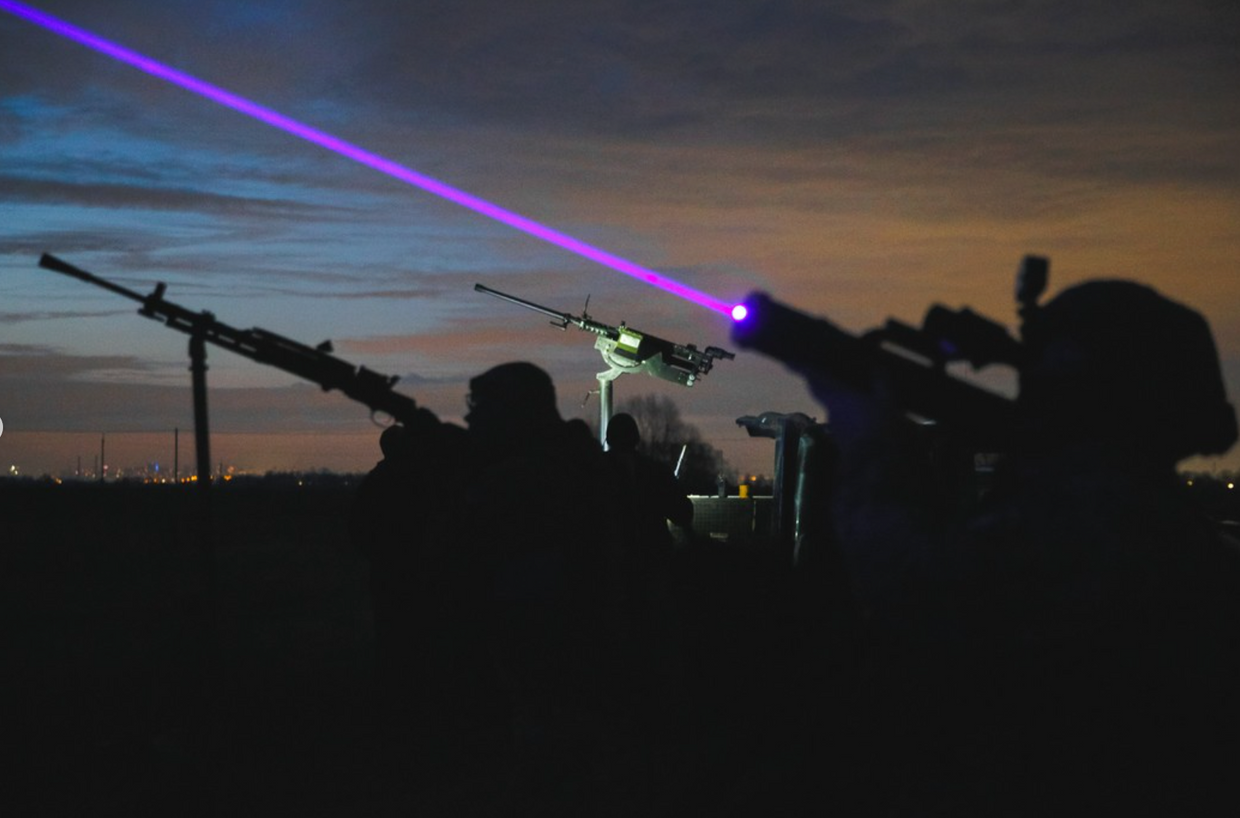
MOSCOW/KYIV — The factory floors were not the only things targeted. So were the people who build the weapons inside them.
Russia launched what Ukrainian officials described as one of the war’s most extensive aerial assaults overnight on June 2, striking Ukraine’s defense industry with a coordinated barrage of hypersonic aeroballistic missiles, cruise missiles, and hundreds of attack drones. The Russian Defense Ministry said the strikes were retaliation for what it called Ukrainian “terrorist attacks” — a framing Kyiv rejected as propaganda. By dawn, at least 11 people were dead across the country and more than 100 wounded, with both Kyiv and the central city of Dnipro absorbing the heaviest blows.
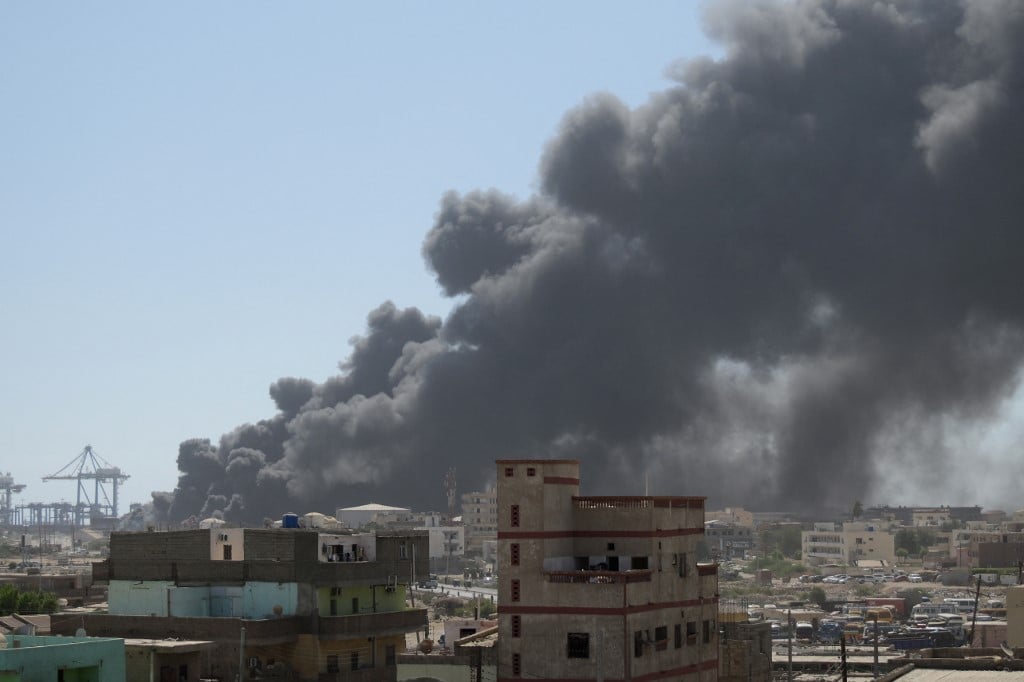
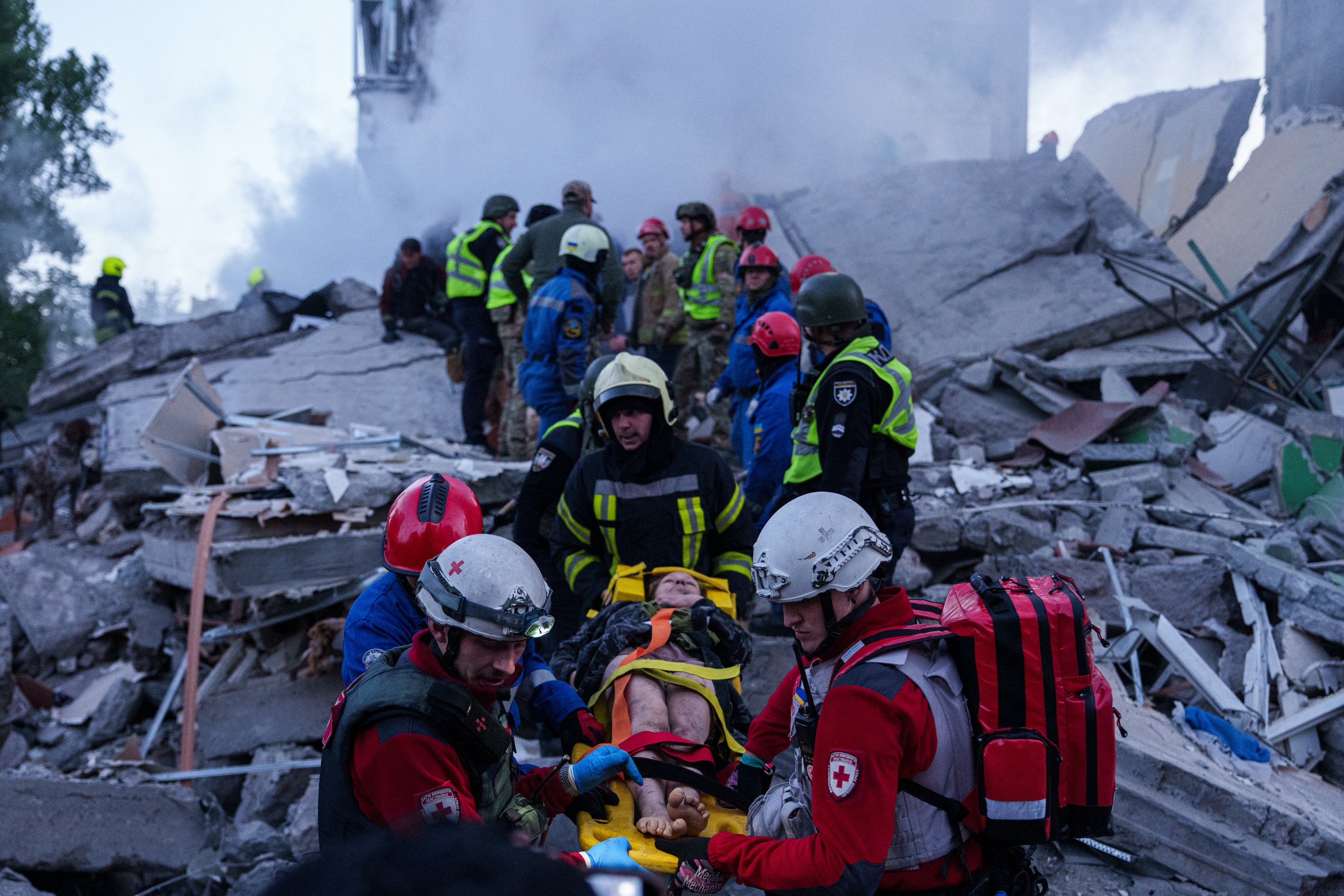
Ukraine’s Air Force said Russian forces launched 73 cruise, ballistic, and hypersonic missiles alongside 656 attack drones in the overnight campaign — a scale that prompted Poland to scramble fighter jets to protect its own airspace, according to the Polish Air Force. In Kyiv, Mayor Vitali Klitschko confirmed that four people were killed and at least 65 injured, including three children, as structural components of a nine-story building in the Podilskyi district collapsed. Power outages spread across multiple neighborhoods. Fires burned at a gas station in Darnytskyi district and on the upper floors of a commercial building in Shevchenkivskyi district. Drone debris landed near a kindergarten in Obolonskyi district.
Moscow said the objectives were met — all designated targets destroyed. What it did not address was the kindergarten debris, the collapsed residential block, or the ambulance crew member among the dead.
In Dnipro, the toll was sharper: eight killed and 36 wounded, city officials said. It remains unclear which specific industrial targets were struck inside the city or whether the defense-industry designation covered the residential damage that accompanied the attack. The Russian Defense Ministry, citing the strikes as precise long-range precision operations, made no distinction between the two.
The night’s attack came as Zelensky had warned for several consecutive days that Russian intelligence traffic indicated a large-scale strike was being prepared. On May 29, and again on June 1, he urged Ukrainians to heed air-raid alerts and stay indoors. “Please heed air raid alerts and stay safe,” he said in his evening address. The warning was precise. The strike still killed at least 11.
The targeting rationale offered by Moscow — “enterprises of the defense-industry complex” — fits the pattern Russia has used across the full-scale war to justify attacks in which civilian casualties have consistently followed. The Kyiv Independent, which has reporters on the ground in the capital, reported residential buildings, power infrastructure, and parked vehicles among the damage sites. The Russian Defense Ministry statement made no mention of civilian casualties, describing only that “all designated facilities” had been struck.
What stands out in this particular barrage is the explicit use of hypersonic aeroballistic missiles — weapons that fly at speeds exceeding five times the speed of sound and are designed to complicate interception by conventional air defenses. Russia has increasingly integrated these systems, particularly the air-launched Kinzhal, into its large-scale strike packages. Ukrainian air defenses, bolstered by Western-supplied Patriot batteries, have demonstrated an ability to intercept some ballistic missiles; against the hypersonic variants, the intercept rate is substantially lower and publicly unverified.
The attack deepened a brutal stretch for Ukraine’s capital, which has now endured multiple mass strikes within a week. On May 24, Russia fired the Oreshnik intermediate-range ballistic missile — capable of carrying a nuclear warhead — in what the Kyiv City Military Administration head Tymur Tkachenko called the largest single attack on Kyiv of the full-scale war in terms of locations damaged. More than 30 residential buildings were hit. Four people were killed, more than 80 wounded, Reuters reported. Zelensky said then: “He’s truly insane.”
The pace and scale of the strikes have raised pressure on Kyiv’s allies to accelerate air-defense deliveries. Ukraine’s Foreign Minister Andrii Sybiha, in a statement after the May 24 attack, called on allied governments to “double down, not back down” in supporting Ukraine and said his country needed additional defense capabilities “to protect our sky.” Whether the June 2 attack generates similar pressure, or whether Western attention remains diffused by competing diplomatic channels, is a question that has no answer yet.
For now, the fires are still being put out. The rubble in Podilskyi is still being searched. The Kyiv Independent reported that a journalist on the ground heard the first explosion at around 1:30 a.m. local time, before the air-raid alert had even been issued. Another series of blasts followed at 2:15 a.m.
The Trump administration’s position on the June 2 strike had not been publicly stated by the time this report was filed. Earlier this year, after a Russian strike on a Kyiv apartment block that killed 24 people, Trump remarked the attack “could delay peace efforts.” Whether that calculus still applies — and whether it will translate into any change in U.S. posture toward Moscow — remains the central uncertainty hanging over every attack of this kind.
Russia’s military framing will not change. Neither, in all likelihood, will the target list. Trump’s self-imposed June deadline for a Russia-Ukraine peace deal arrived Monday with no agreement in sight, and analysts tracking the conflict note that large-scale strikes of this kind are as much a diplomatic signal as a military operation: Russia is demonstrating it retains the capacity to strike deep and strike hard, regardless of whatever mediation track is running in parallel.
For Ukraine’s defense industry, the specific damage assessment from the June 2 strikes will take days to emerge, if it emerges at all. Kyiv does not typically confirm the locations or status of defense manufacturing sites. What Ukrainian officials have said consistently throughout the war is that Russia has been attempting to outpace Western rearmament timelines by targeting the factories and depots that produce and repair the weapons Ukraine’s forces depend on at the front.
Whether last night’s hypersonic barrage set that effort back, or merely destroyed buildings that will be rebuilt, may only become clear in the weeks ahead — if at all. The broader air war has continued to escalate on both sides, with Ukrainian drone incursions into Russian territory drawing the same retaliatory framing from Moscow that preceded last night’s attack.
The rubble in Podilskyi will tell part of the story. The defense factories — wherever they are, whatever survived — will tell another.
—Inputs from Sputnik.