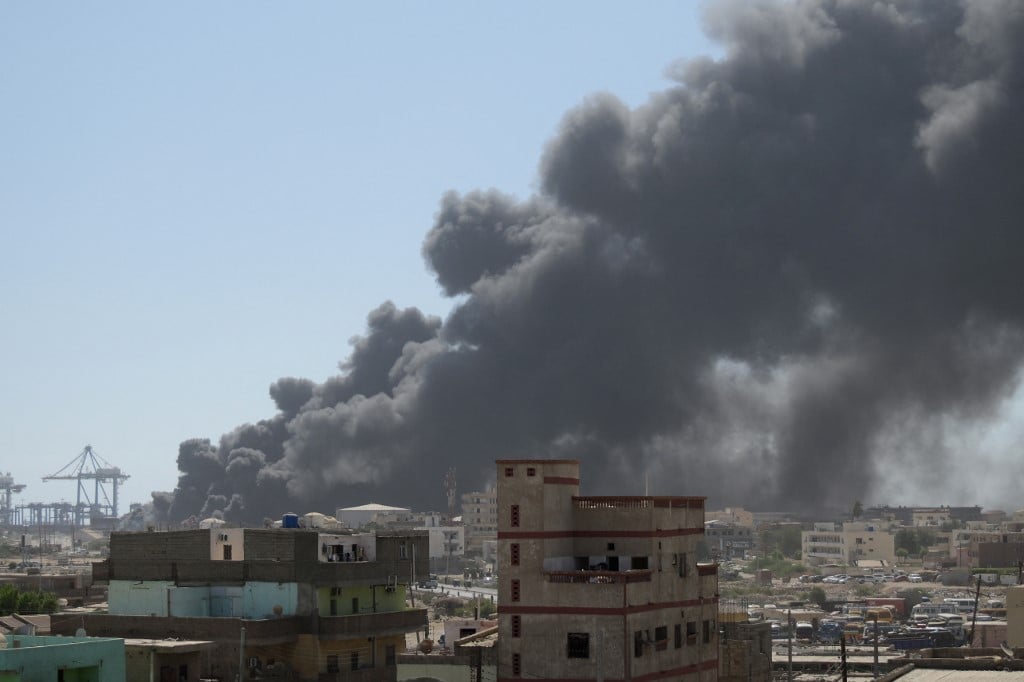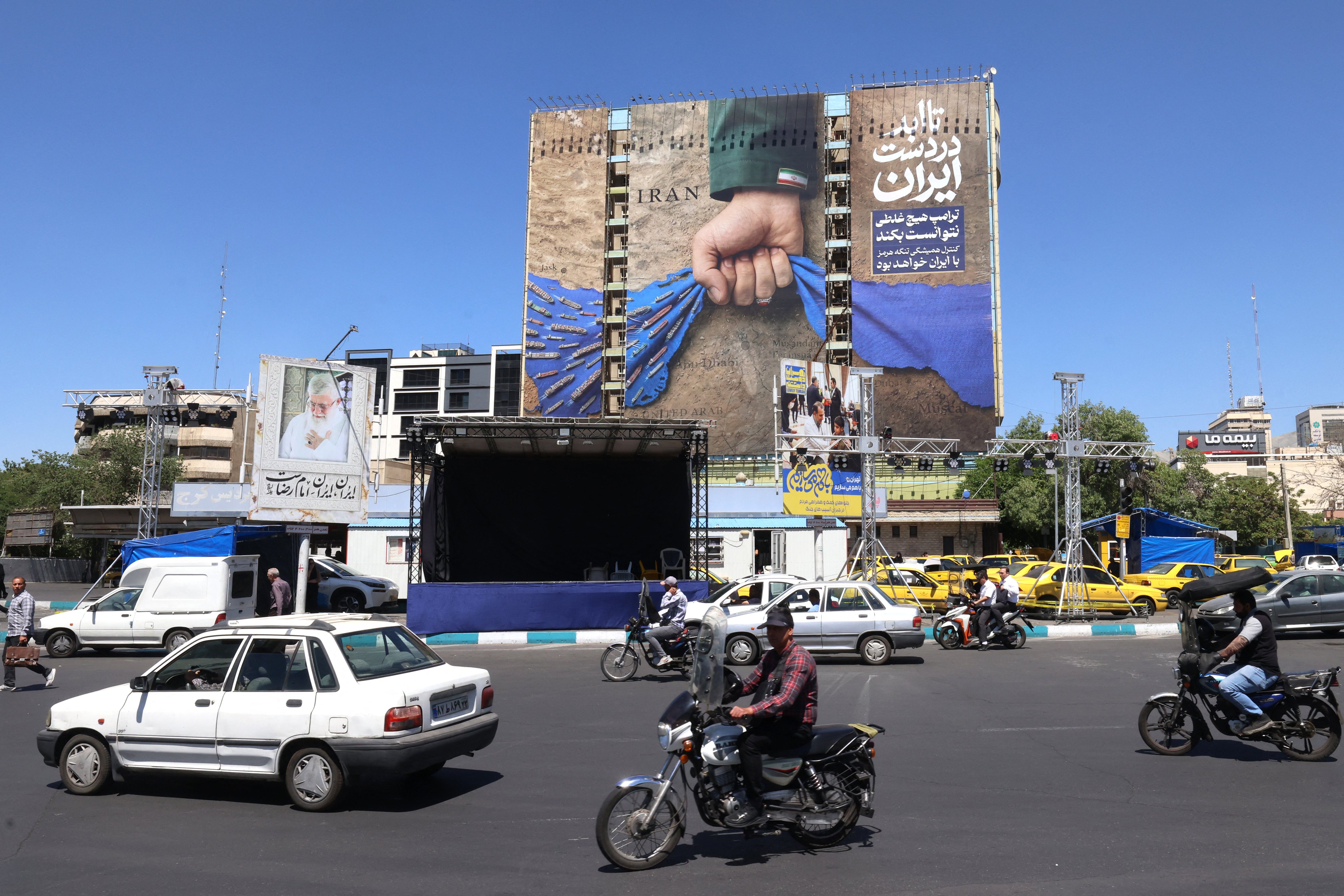
TEHRAN — The message channel between Tehran and Washington has gone silent.
Iran’s Fars news agency reported on Tuesday that the two governments have not exchanged any communications on a preliminary memorandum of understanding in several days — a silence that runs directly against the image of rapid progress President Donald Trump projected just hours earlier, when he said he believed a deal with Iran could be reached “over the next week.”
The timing of the breakdown matters. Tehran’s most recent message to Washington, a source told Fars, was not a negotiating move but a warning — a clear signal that Israel’s military campaign in Lebanon would not be treated as a separate matter from the fragile Iran-US truce that has held, with interruptions, since April.
What happened next illuminates a fault line that has run beneath these talks since they began. Mohammad Bagher Ghalibaf, who heads Iran’s negotiating delegation in the dialogue with Washington, used careful wording on Tuesday when asked about the status of communications. He said Tehran would suspend the negotiation process because of the situation in Lebanon — a statement framed in the future tense. Tasnim, a second Iranian news agency, reported earlier in the day that the suspension was a protest already underway. The difference between “we will” and “we have” is considerable when the subject is a backchannel that neither side has publicly confirmed.
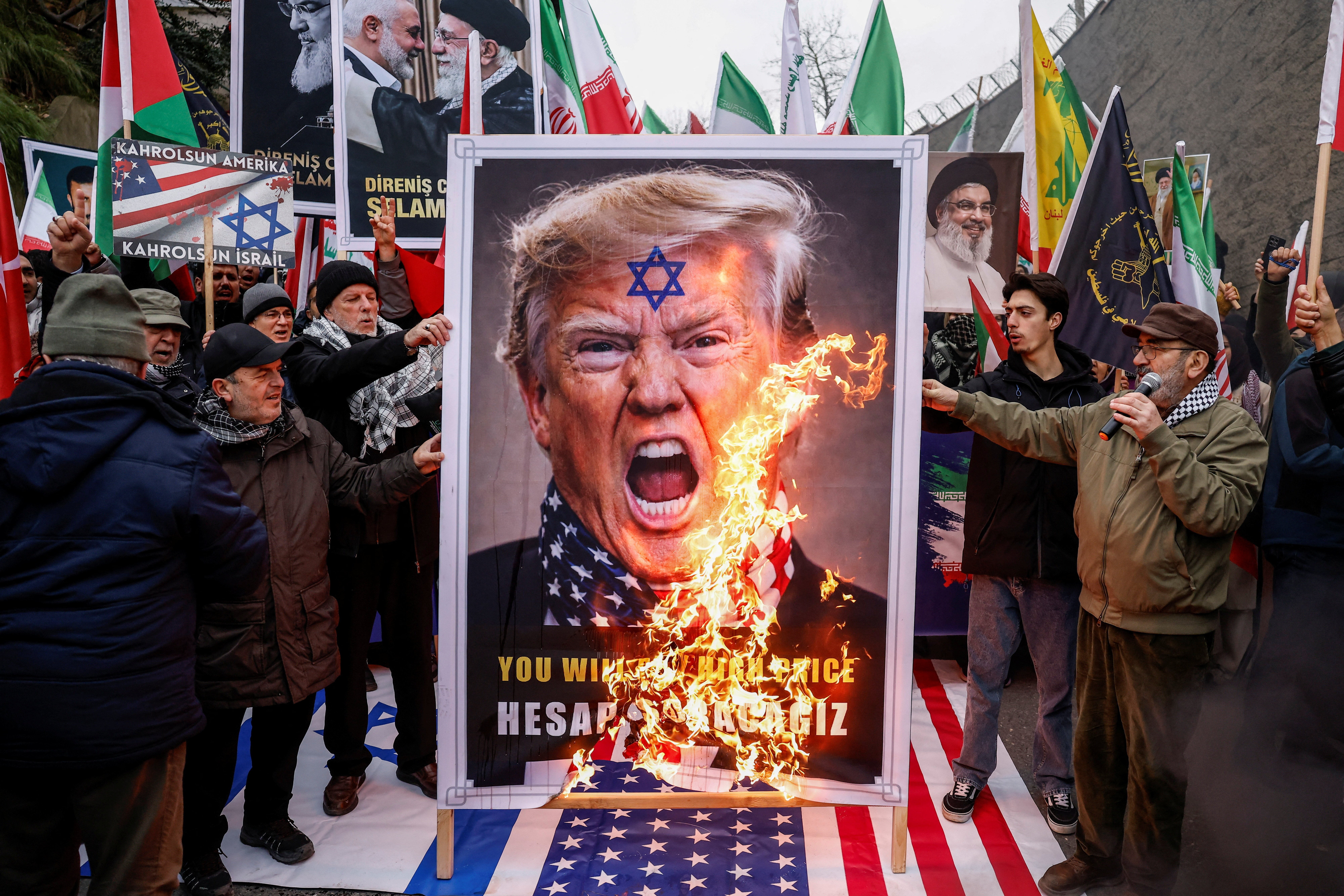
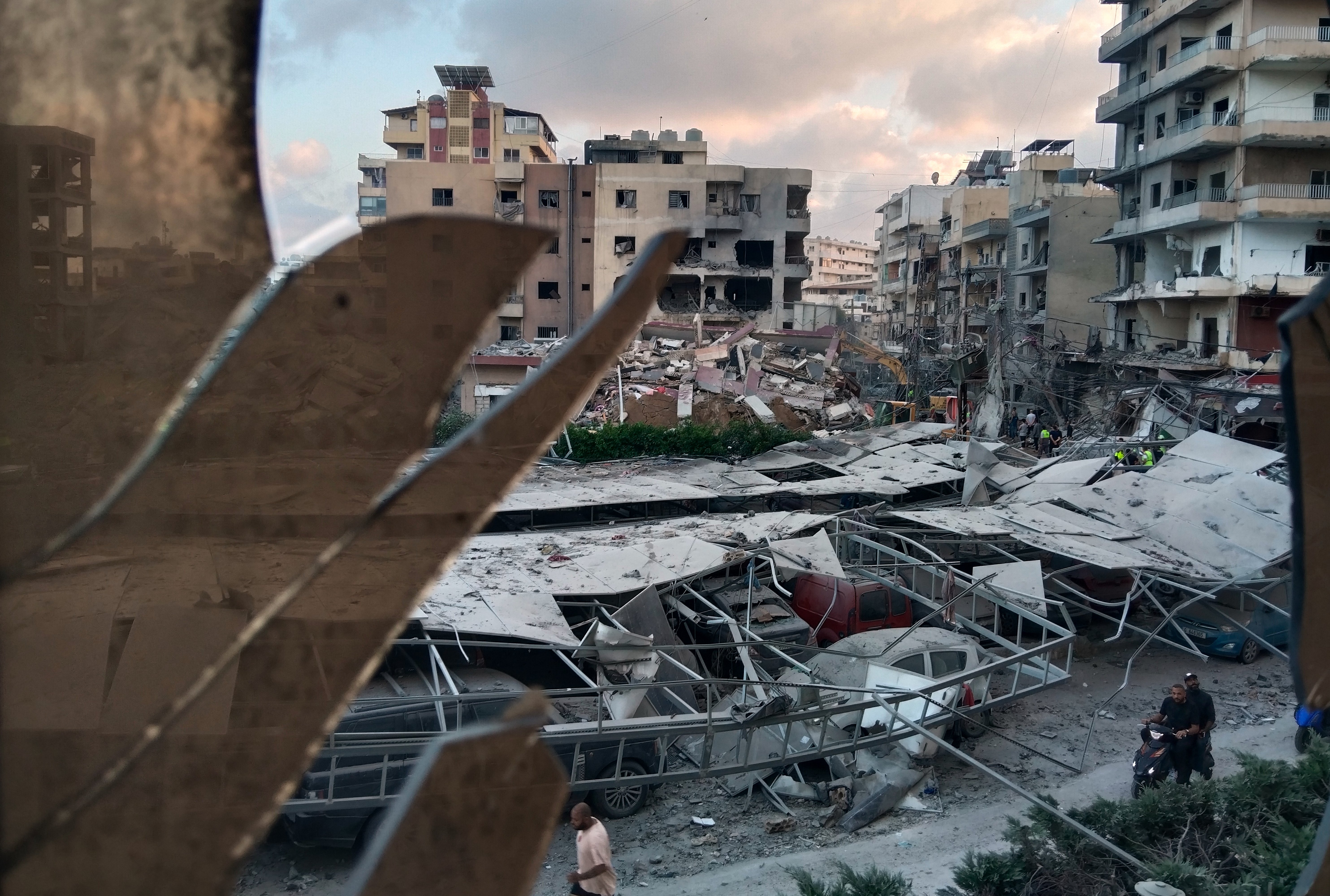
The trigger was Monday night in Beirut. Israeli Prime Minister Benjamin Netanyahu ordered strikes against what his office described as Hezbollah targets in the southern suburbs of the city — the Dahiyeh district — citing what he called repeated violations of an earlier ceasefire. Iran’s Foreign Ministry responded by framing the Israeli strikes not merely as a Lebanon problem but as a violation of the broader Iran-US ceasefire announced on April 8. In Tehran’s reading, the truce with Washington carries an implicit guarantee covering Lebanon. In Washington’s reading, apparently, it does not.
That gap has not been bridged. What closed it temporarily, at least on paper, was a call Trump held late on Monday with Netanyahu and with Hezbollah representatives, after which the White House announced that a new Lebanon ceasefire had been agreed. Whether that ceasefire holds, and whether Tehran accepts it as sufficient to restore the channel, remained unclear as of Tuesday afternoon. The answer will determine whether Ghalibaf’s delegation returns to the table or whether the silence deepens.
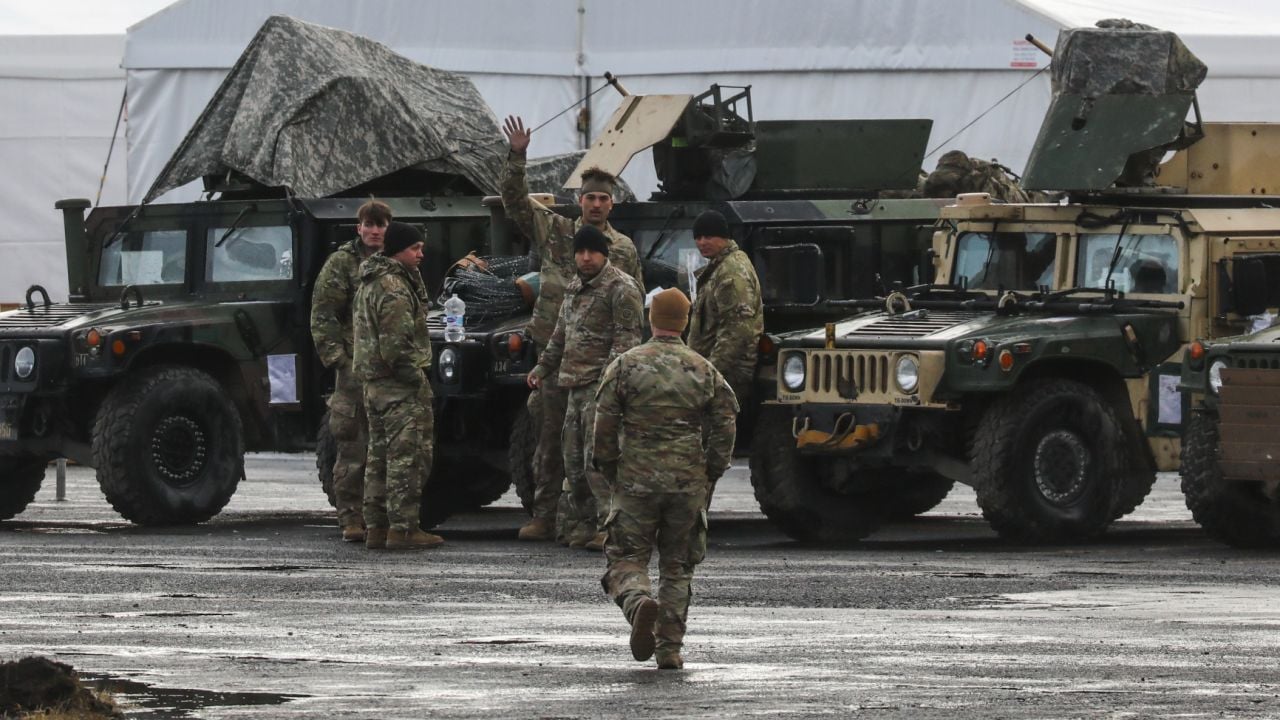
The broader negotiating framework at stake is a memorandum of understanding on a full cessation of hostilities, with Pakistan serving as mediator between the two sides. The two governments have been working toward that document since the April truce, which followed a period of direct military confrontation that began on February 28, when the United States and Israel began striking targets on Iranian territory, and Iran responded with strikes against Israel and US bases in Persian Gulf countries.
Progress on the memorandum has been uneven. Iran put the question of war compensation on the table in late May, according to reporting by The Eastern Herald, while setting aside the nuclear file for a later stage of negotiations — a sequencing that Washington has not publicly accepted or rejected. Secretary of State Marco Rubio told the Senate last week that a deal was possible but not guaranteed, outlining a two-phase path that left significant questions unresolved, as The Eastern Herald reported.
Trump’s statement Monday night that talks were proceeding at a “rapid pace” has been consistent with his public posture throughout the negotiations. But the president has also said, in the same breath, that he “couldn’t care less” if the talks collapsed — a formulation designed to project leverage that can be difficult to reconcile with the urgency his administration has otherwise signaled. Tehran has noted the contradiction. Iran’s red lines on uranium enrichment, sanctions relief, and the Strait of Hormuz remain formally intact, according to statements from senior Iranian lawmakers made in late May.
The practical question as of Tuesday is narrow but critical: has Lebanon provided Iran with a reason to step back from a deal that was, by all accounts, closer than it has been at any point since the April truce, or has it provided a bargaining moment — a chance to extract a commitment from Washington that the ceasefire extends to Lebanese territory before signing anything? Ghalibaf’s careful wording suggests Tehran has not fully decided. The silence on the preliminary memorandum, Fars reported, has already lasted several days. No one on either side has said when it ends.
—Inputs from Sputnik.