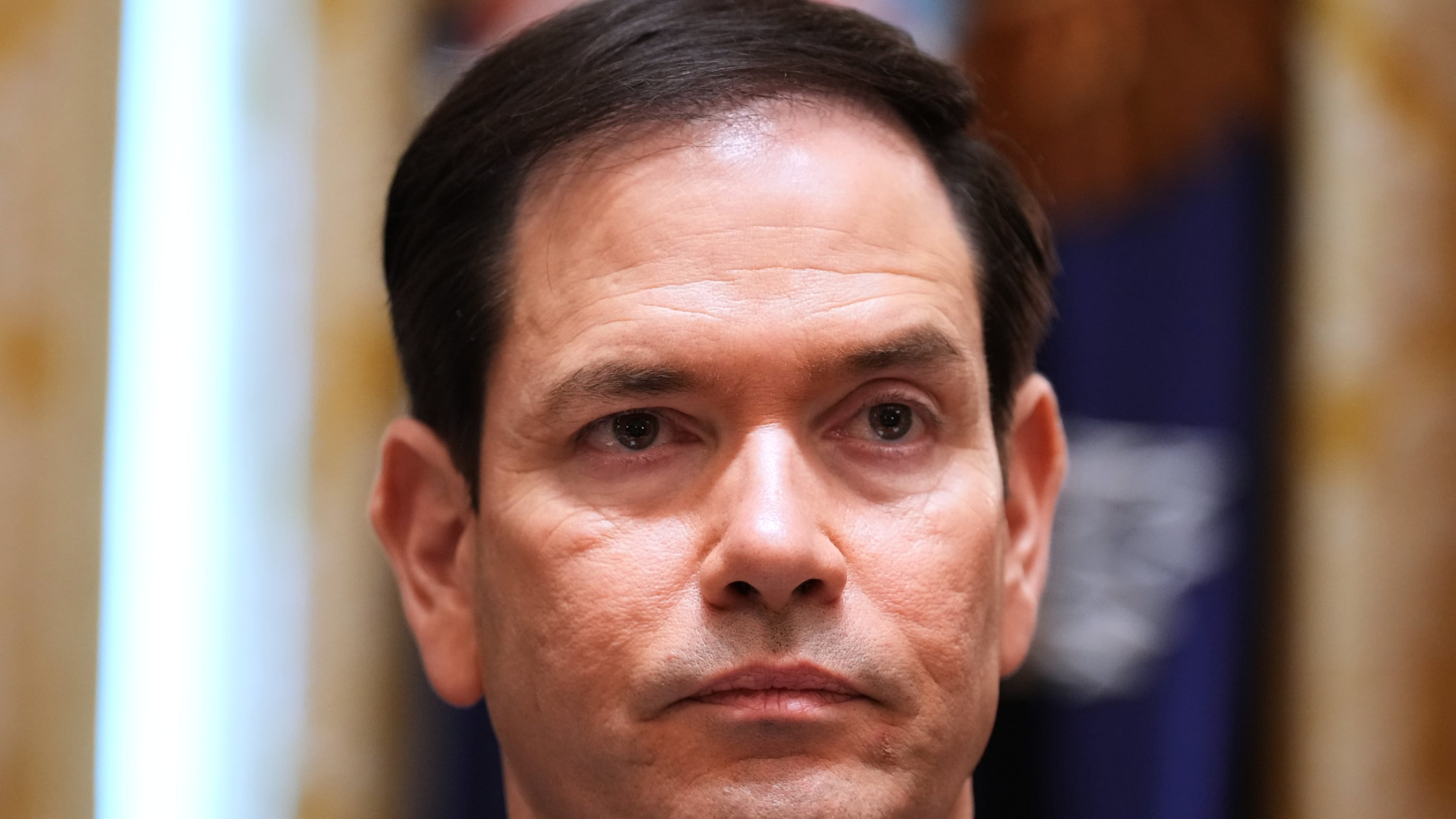

WASHINGTON — The question Senator Jeanne Shaheen put to Marco Rubio on Tuesday was simple enough: is a deal with Iran actually coming? His answer was not. “Talks with Iran are not like talks with Switzerland,” the secretary of state told the Senate Foreign Relations Committee, in his first public testimony since the United States entered the war with Iran in February. “They require the use of intermediators, unfortunately, but there is the prospect before us.”
That prospect, Rubio was careful to say, “is not a guarantee that ultimately it will lead to a deal that is acceptable to the Senate or acceptable to the American people.” The most senior American diplomat was, in other words, managing expectations on Capitol Hill while simultaneously trying to demonstrate that the administration’s diplomatic track remains alive — even as Tehran suspended message exchanges with Washington just 24 hours earlier over Israel’s continued strikes in Lebanon.
The hearing had been scheduled months ago as a routine State Department budget review. It became something else. Rubio arrived under protest from anti-war demonstrators who were detained by Capitol Police outside the committee room, and he left with the rare distinction of having satisfied almost no one: not Democrats pressing him on the absence of a congressional authorization for war, not Republicans anxious for a clear timeline, and not senators on either side who wanted specifics about what any deal would actually look like.
What he did offer was a two-phase framework, the clearest the administration has put on the public record. In the first phase, Iran would have to reopen the Strait of Hormuz, remove the mines it placed in the waterway, announce it would not charge tolls on shipping, and commit to not firing on vessels. According to Fox News, Rubio told lawmakers that Iran must end its belligerence in the region before any substantive negotiation can begin. “They have to announce, very clearly, the straits are now open,” Rubio said. “That’s the predicate that opens the door to phase two.”
Phase two, as Rubio described it, is where the harder accounting begins. Iran would need to commit to disposing of its highly enriched uranium — material buried, he said, “deep in a mountain somewhere” — and agree to long-term limits on its nuclear program. “We need to address the issue of enrichment,” he told senators. “These are the president’s points, consistently.” No timetable was offered. No venue for renewed talks was named. How, exactly, Pakistan — which has been serving as an intermediary — fits into whatever comes next was left unaddressed.
The backdrop to the testimony is a ceasefire under strain. Iranian state media reported Monday that Tehran’s negotiators stopped exchanging messages with Washington through Pakistani intermediaries after Israel resumed large-scale operations against Hezbollah in Lebanon. Iran’s position, relayed through state-affiliated outlet Tasnim, is that the ceasefire it agreed to with the United States covered all fronts, including Lebanon — and that continued Israeli strikes constitute a violation. Tehran’s suspension of the channel represents the most serious rupture in the indirect talks since they began.
Trump, for his part, projected confidence anyway. “Things are going well with Iran,” he told reporters Monday, even as the channel through which that progress was supposedly occurring had just gone dark. Rubio, before the committee, was more precise about the difficulty. The administration, he said, is attempting “to truly test the proposition of how far they are willing to go.” That formulation — a proposition being tested rather than a deal being closed — tells most of the story about where things actually stand.
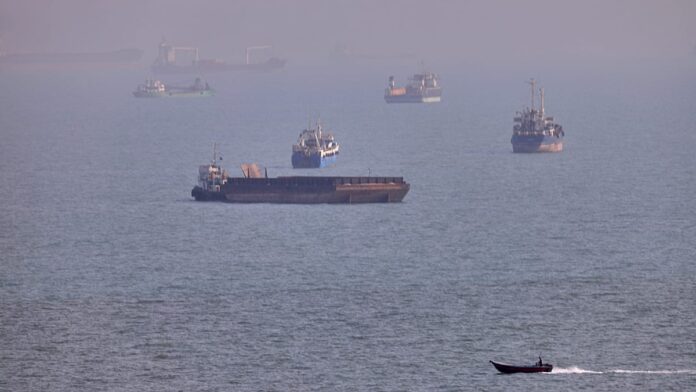
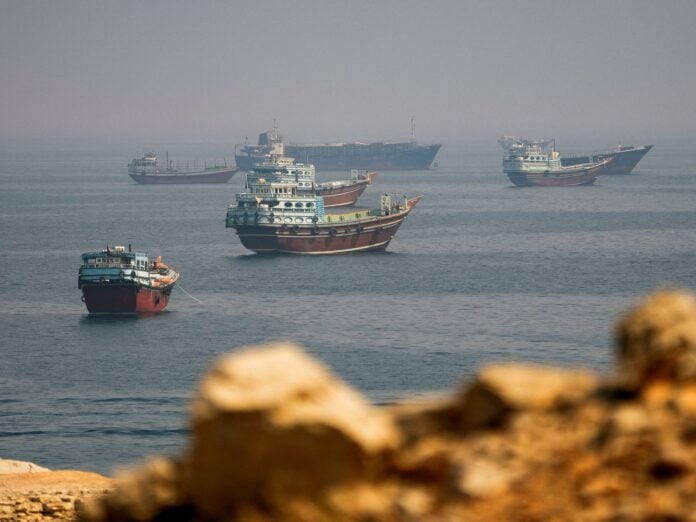
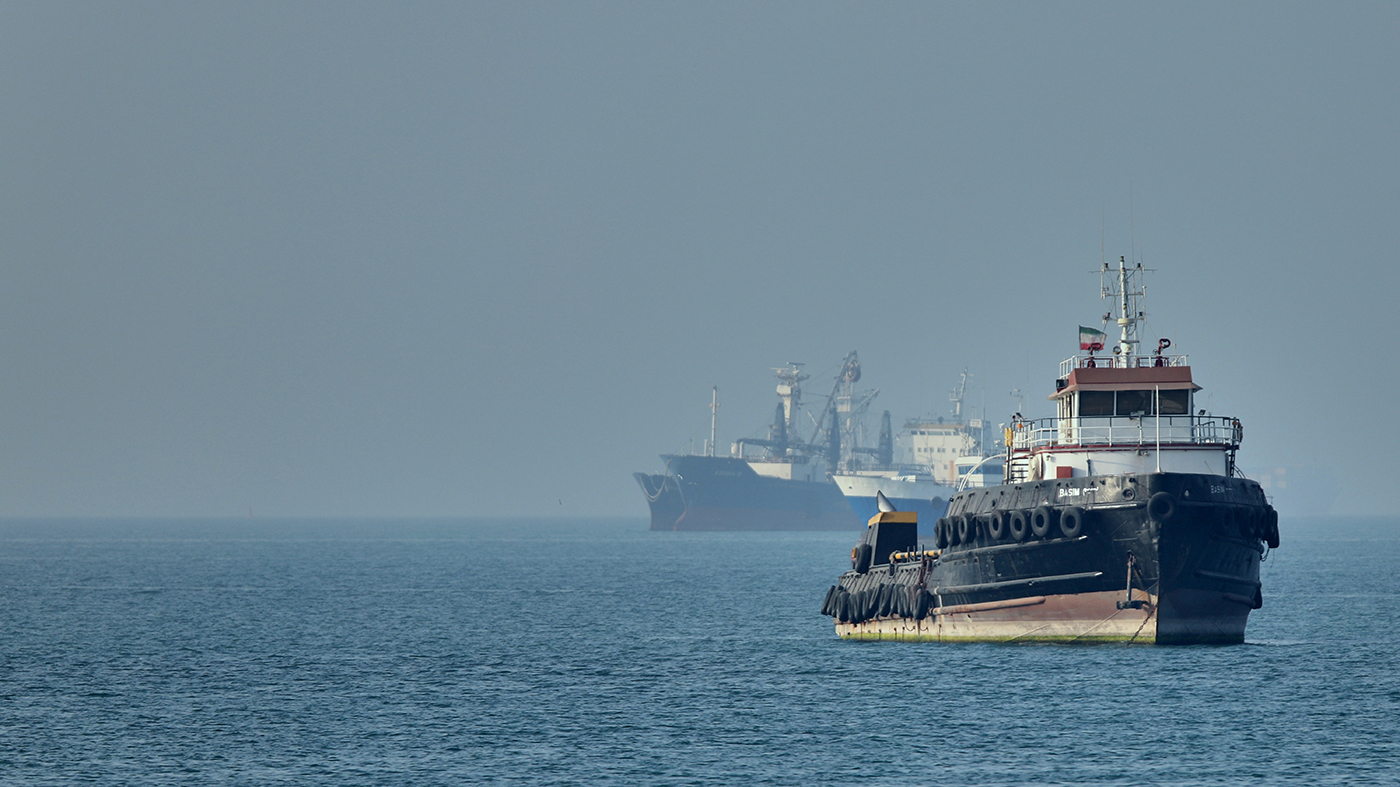
The Strait of Hormuz, through which roughly one-fifth of global crude oil supply passes, has been closed to international shipping since Iran mined it earlier this year. The economic pressure has translated into a domestic political problem for Republicans: gas prices have spiked, and midterm-focused senators from both parties made clear Tuesday they view the Strait’s reopening as the minimum acceptable outcome of any negotiation. The Hill reported that Sen. Joni Ernst, speaking to reporters after the hearing, was direct: “They cannot remain with their hands on the enriched uranium, that has got to go.”
What senators across the aisle can agree on — which is unusual for anything touching Iran policy in 2026 — is that the ceasefire needs to hold long enough for talks to produce something. Tehran is still working on a formal response to a framework proposal, and Trump has set a one-week window for movement. Whether that deadline survives contact with the reality Rubio described Tuesday — talks conducted through intermediaries, with no guarantee of a result — is the question neither the secretary of state nor the senators who questioned him were able to answer.
Rubio is scheduled to return to the Hill on Wednesday to testify before the House Foreign Affairs Committee and a Senate Appropriations subcommittee. The hearings were built around a budget request. They have become something closer to a war briefing for legislators who have received almost none.